
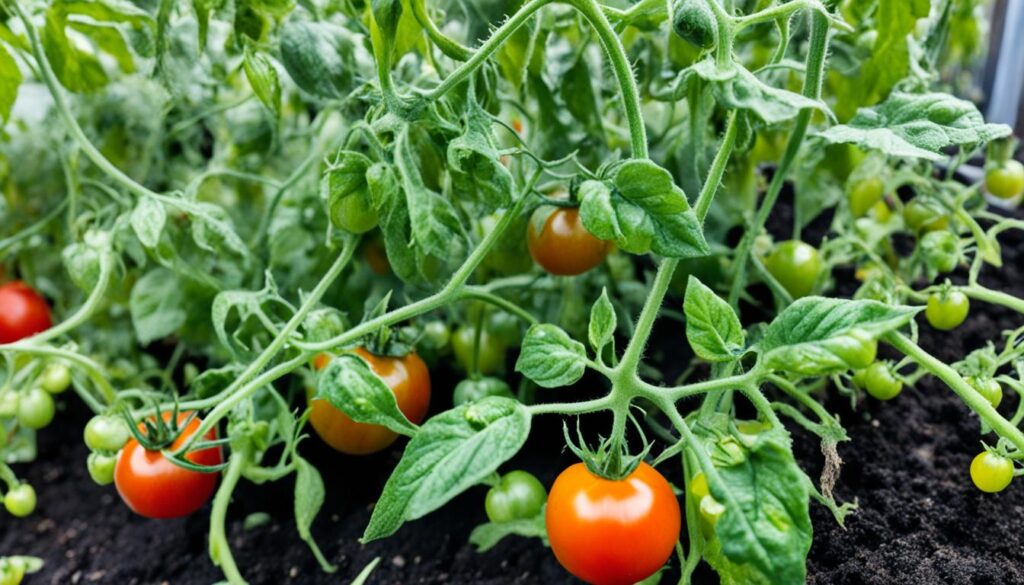
Are your Late Blight Tomatoes hit by the disease? This disease can ruin your whole crop fast. But don’t worry, we have top tips to fight it1.
Late blight is a serious issue for tomato growers. Knowing the right steps can save your plants. We’ll cover what causes it, its signs, and how to stop it123.
Key Takeaways
- Late blight is a devastating fungal disease that affects tomato plants and is caused by the Phytophthora microorganism.
- Tomato plants can be infected with both early blight and late blight simultaneously, requiring different management strategies.
- Planting disease-resistant tomato varieties and implementing proper cultural practices are crucial for preventing late blight.
- Regular fungicide applications and careful monitoring can help control late blight outbreaks in your garden.
- Maintaining overall plant health through proper watering, nutrition, and air circulation is essential to combat blight diseases.
Understanding Late Blight
Late blight is a serious fungal disease affecting tomatoes and potatoes mainly. It is caused by the microorganism Phytophthora infestans4. Late blight can wipe out crops in just 7 to 10 days after it begins. It spreads fast, with its spores carried by the wind up to 40 miles away4. The disease thrives in temperatures from 54 to 75 degrees Fahrenheit. Wet, cool weather in late summer and early fall is perfect for it4.
What is Late Blight?
Late blight targets plants like tomatoes and potatoes5. The fungus Phytophthora infestans is its cause, and it can ruin entire fields quickly5. Even though it doesn’t stay alive in plant leftovers or seeds during winter, it can survive the cold. This happens on infected potato tubers or on tomato plants that have been infected before6.
Symptoms and Identification
At first, late blight shows as brown or tan spots on the top leaves of tomato plants. These spots might have a green or yellow edge. Over time, the spots get bigger and the whole leaf can die4. The disease also affects tomatoes themselves, creating dry, brown spots on the fruit4.
Greenhouse and tunnel-grown tomatoes are usually safe from late blight. But if spores are nearby, even these plants can get sick. The disease can still cause big losses in these protected environments, especially under high humidity4.
“Late blight is a highly communicable disease that can infect other gardens and farms within a 50-mile radius.”5
Prevention Strategies
Preventing late blight in tomatoes is very important for a good harvest. Choosing tomato types that fight off this disease is key. Varieties like ‘Mountain Magic,’ ‘Plum Regal,’ and ‘Red Pear’ are known to resist late blight better7. Also, switching where you plant tomatoes yearly and leaving enough space between plants reduces late blight risk7.
Choosing Resistant Varieties
It’s smart to pick tomatoes that are less likely to get early or late blight. The ‘Mountain Magic’ cherry tomato is one of the good choices7. Although heirloom tomatoes are tasty, they might not resist diseases well. So, do some research to pick the right ones8.
Crop Rotation and Spacing
Moving your tomato plants to a new spot each year can stop soil diseases from getting worse7. Plus, keeping plants 3 to 4 feet apart improves air flow. This helps against late blight spread and boosts plant health7.
Mulching and Watering Techniques
Use a 2-inch layer of organic mulch to shield your plants from soil spores7. Also, water your plants at the base with tools like a water wand or a drip system. This keeps leaves dry and lowers late blight risk7. Don’t use overhead sprinklers because they can spread the disease8.
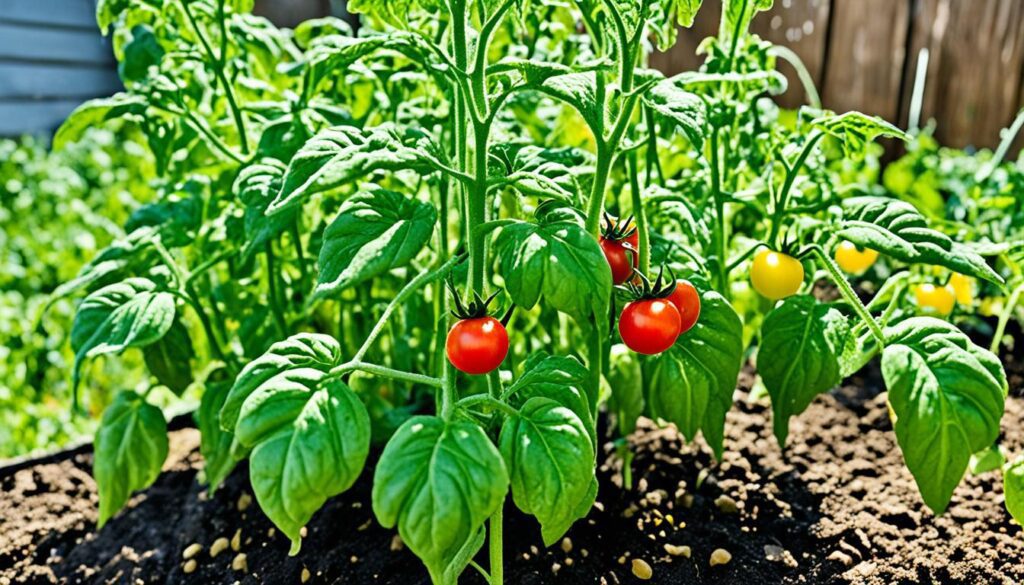
“Preventing late blight in tomatoes is crucial for a successful and bountiful harvest.”
Following these steps can help gardeners and farmers avoid late blight. It leads to healthier, more tomatoes. Watch your plants closely, keep good gardening practices, and choose resistant types to fight off this tough disease9.
Early Detection and Monitoring
Spotting late blight early in tomato plants can make a huge difference. The search for early detection methods is just starting10. But, in North Carolina, researchers are working hard to give tomato farmers ways to find tomato plant infections early.
New tools are being created to detect late blight fast, right at the site. They work by taking a plant’s DNA sample. This step takes less than a minute10. Then, a lamp test checks the sample, giving results in about 30 minutes10. The whole process from DNA to testing the lamp takes under an hour10.
Researchers are not stopping there. They are also working on sensor chips. These chips can pick up on certain smells that sick plants let off10. The idea is to have a tool that watches for late blight before we can even see it10.
It’s very important to keep an eye out for late blight. As soon as infection signs show, like on the leaves or shoots, act quickly. Taking off and throwing away the sick leaves and stems safely can stop it from spreading to other plants11. Sometimes, you may have to get rid of the whole infected plant to protect the others11.
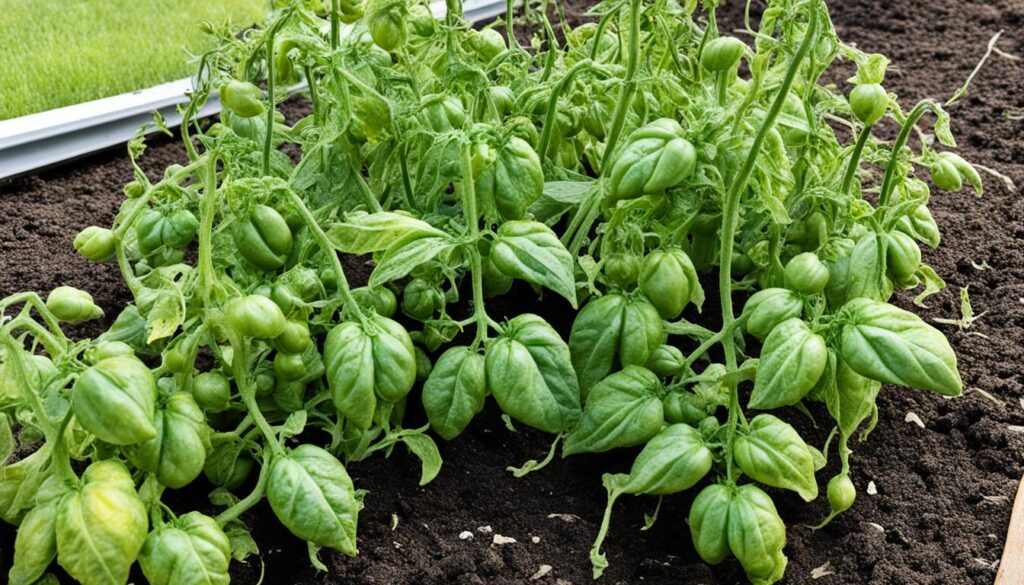
With new detection tech and careful watching, fighting late blight is more doable. By always being informed, tomato farmers can protect their plants better. They can reduce how much this disease hurts their harvest101211.
Organic Control Methods
Looking for natural ways to fight late blight in tomato plants? You can try organic treatments. Copper fungicides and neem oil are two key organic choices13.
Copper and Neem Oil Treatments
Copper-based fungicides are trusted for fighting late blight. They can slow down the pathogen’s growth when used properly13. Neem oil is another good choice. It comes from the neem tree and fights fungal diseases13.
Always read and follow the instructions on these products. Put on protective clothes when you use them. And, make sure to wash off any fruits or vegetables completely before eating them13. These treatments work best when used regularly. Start when you first spot the disease and keep it up all season long13.
| Organic Treatment | How it Works | Application Tips |
|---|---|---|
| Copper Fungicides | Slow down the late blight pathogen | Obey the product’s advice, wear protective clothing, wash food well |
| Neem Oil | It fights against the late blight disease | Obey the product’s advice, wear protective clothing, wash food well |
Organic treatments are a good way to manage late blight. But remember, they need regular and careful use13. Or, try combining organic methods with other tips. For example, choose tomatoes that resist diseases and keep your garden clean. This can make your approach stronger against this tough tomato disease14.
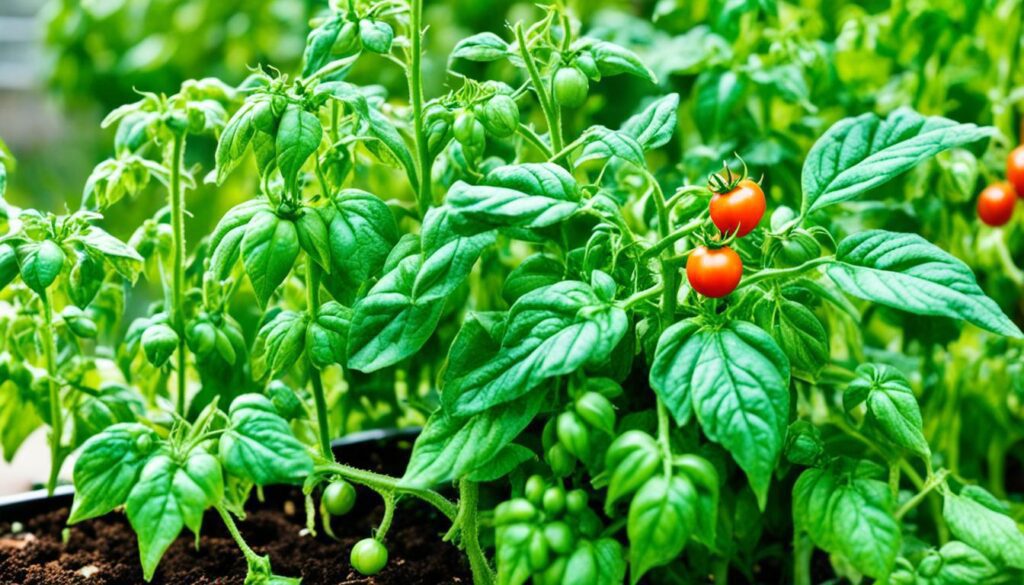
When used correctly, organic methods are effective against late blight. Yet, they need regular attention and use for the best outcomes.”
131415
Chemical Control Options
Fungicides for Late Blight Tomatoes
Fungicides are key weapons against late blight on tomatoes16. This disease is quick to spread and can ruin entire tomato fields16. Luckily, we have fungicides that work if used well16.
Use fungicides with copper or chlorothalonil for best results against late blight16. They stop the disease by killing the spores17. But, remember they might hurt helpful animals too16.
For your home garden, try Daconil® Fungicide Ready-To-Use, which contains copper17. Apply it weekly once the disease shows up as a safeguard16. Big farms have other options like mefenoxam (Ridomil) to fight late blight18.
Using chemical fungicides is just one part of a good anti-late blight plan16. Add in planting resistant tomatoes, rotating crops, and proper care16. This mix helps keep your tomato plants safe from late blight17.
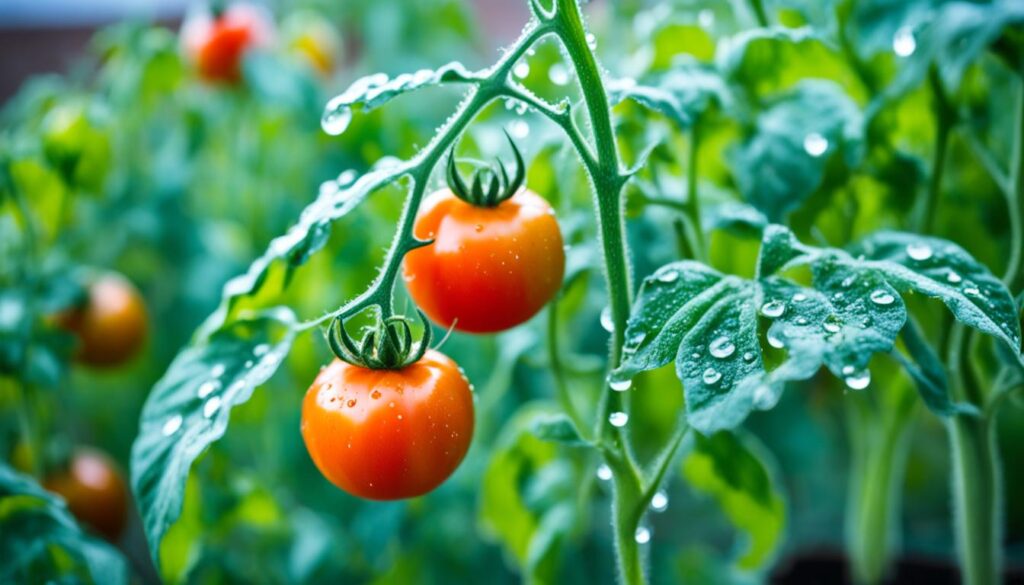
Proper Plant Hygiene
Keeping your plants clean is key to fighting late blight, a bad fungal disease for tomatoes19. You must act early to stop this sickness from spreading. Start by cutting away bad parts regularly and toss them out right.
Pruning and Disposal of Infected Plants
As soon as late blight shows up, don’t wait to trim your plants. Get rid of the sick leaves, stems, and fruit fast19. But, don’t put these parts in your compost. The illness can hide there and come back the next year19. Instead, throw them away in a sealed bag or burn them.
To stop late blight, cutting and cleaning up sick plants is really important19. Doing this helps a lot to keep your garden safe from this bad disease, which can wreck your tomato harvest19.
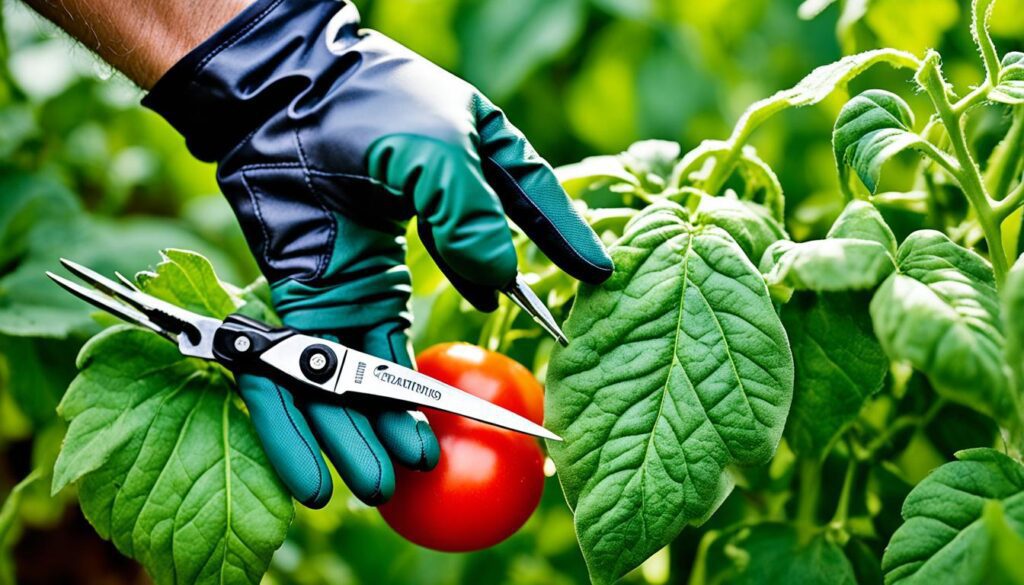
Remember, late blight is super contagious and can spread in many ways20. Keep things clean and you’ll do a lot to protect your tomatoes from this serious fungus.
Properly disposing of infected plant material is essential for preventing the overwintering and spread of late blight spores in your garden.
Late Blight Tomatoes: Edibility and Safety
The late blight fungus, Phytophthora infestans, can ruin tomato and potato crops21. But, here’s the good part. The veggies it hits are still safe to eat22.
Yet, the bad news is the taste and feel might change. This happens when the fungus causes rot in the veggies21.
The USDA says pick only healthy, ripe tomatoes for canning. That’s key to dodge any safety hitches21. Because the fungus can let other harmful stuff grow, even though it’s not the danger itself22.
And don’t forget about potatoes. Choose the healthy ones for canning or freezing. Get rid of the sick-looking ones to stop the fungus from spreading22. Since potatoes are a low-acid food, they need special treatment to can them safely at home22.
To wrap it up, late blight tomatoes might not look the best, but they’re not risky to eat if they seem okay21. Just be super careful when storing or canning them to play it safe22.
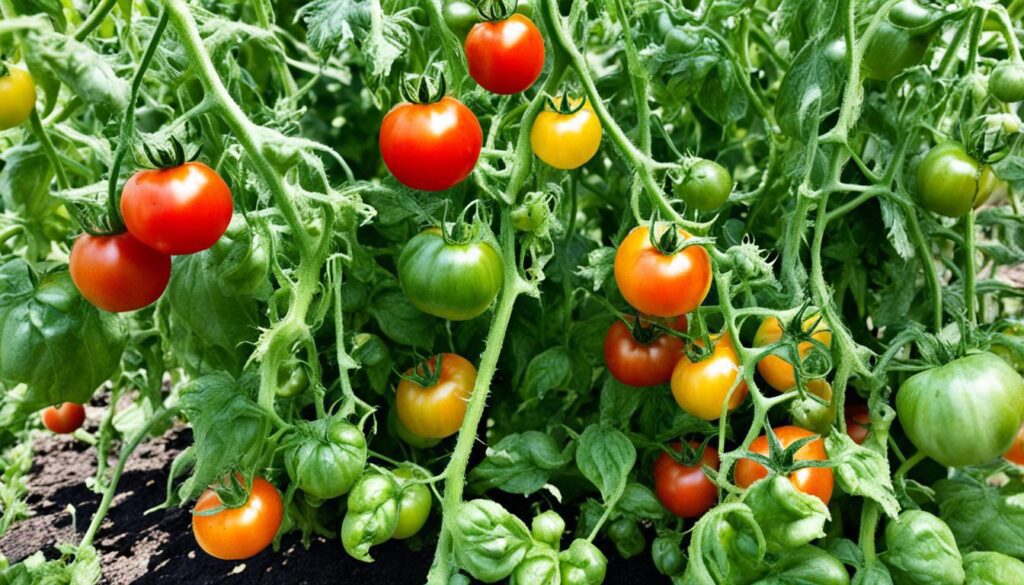
“Adding bottled lemon juice or citric acid to disease-free tomatoes raises the acidity level to prevent the growth of harmful bacteria like Clostridium botulinum.”21
Preventing Late Blight Overwintering
To keep tomato plants safe from late blight, it’s important to fight it every season. This disease is caused by the Phytophthora infestans pathogen. It lingers in old plant parts, seeds, and underground potato tubers19. Breaking this cycle is key to protecting your tomatoes.
At the season’s end, clean up well. Get rid of all old tomato plant parts, like leaves and fruits. Freezing temperatures kill late blight on tomatoes over the winter23. But, if unharmed, infected potato tubers can keep the disease. They might then spread it in the next growing season23.
- Buy fresh, disease-free seeds for your next tomatoes23.
- In the spring, search your garden for any new potato plants. Remove them if they grow from infected tubers23.
- Don’t plant potatoes again if they showed late blight last year in your garden23.
Cold winters can kill late blight spores above ground. But, they can still hide below the frost line23. For extra safety, don’t plant tomatoes where they or similar plants grew the last two years17.
Following these steps can lower the late blight risk. Your tomato plants will be better protected from this harmful disease. It’s also important to keep the soil in good condition and provide proper water and air for your plants2317.
Crop Rotation and Garden Planning
Strategic crop rotation and smart garden planning are key in fighting the Tomato Late Blight24. Moving your tomatoes to new spots yearly, away from potatoes, reduces this disease’s risk25. This method controls soil pathogens. It also slows down the building of resistant strains that attack tomatoes over time25.
When you plan your tomato patch, think about what’s near your tomatoes. Don’t grow nightshade plants close, like potatoes or eggplants, because they can also carry the disease24. By mixing up your garden and keeping tomatoes away from their plant family, you lower the disease’s chance to grow25.
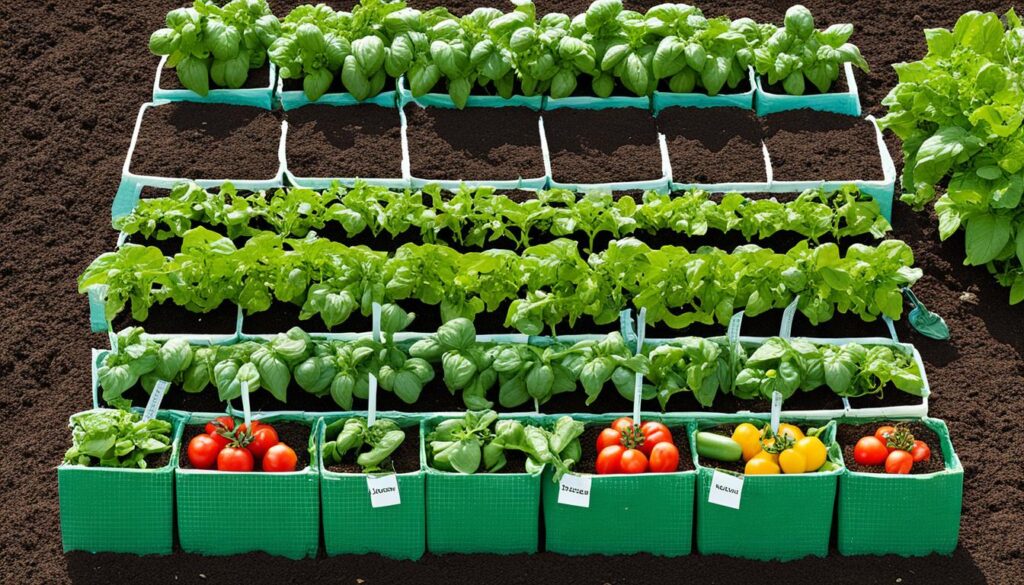
Picking tomatoes that fight off blight is key24. Varieties such as ‘Defiant,’ ‘Iron Lady,’ and ‘Jasper Cherry’ have done well against late blight24. But, remember, blight can change, making resistant tomatoes not so effective25. Keeping a variety in your crop rotation and managing your garden well are important for a strong tomato harvest25.
Focusing on crop rotation, garden planning, and choosing disease-resistant tomatoes can stop the Tomato Late Blight2425. This proactive strategy leads to a more fruitful harvest.
Maintaining Plant Health
Water, Nutrients, and Sunlight
It’s vital that your tomato plants get enough water, nutrients, and sunlight. This ensures they are strong and can fight off late blight. Good growing conditions keep them healthy, reducing disease26.
To ensure your tomato plants are healthy, follow these tips:
- Water deeply, 1-2 inches per week. Adjust as needed, but try not to wet the leaves. Wet leaves can promote disease26.
- Fertilize with a nutrient-rich mix regularly. This helps tomato plants grow strong and produce lots of fruit26.
- Give plants 6-8 hours of direct sunlight daily. Use supports like cages or stakes to help them grow upright and get more sun26.
By adjusting water, nutrient, and sunlight levels, your tomato plants build a strong defense. They can fight off late blight and other tomato diseases26.
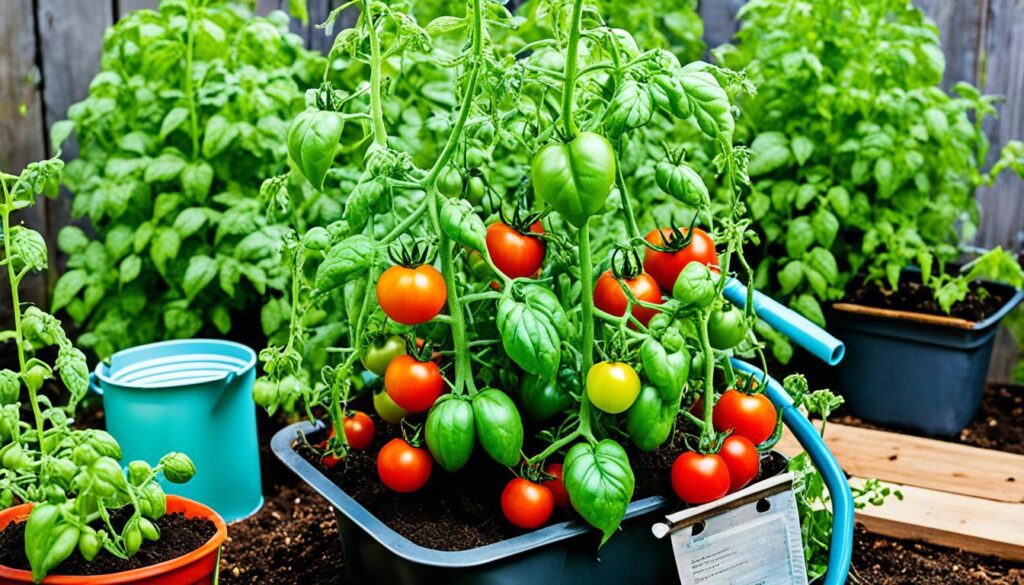
“Proper care and maintenance of your tomato plants is essential for producing a healthy, bountiful harvest, even in the face of late blight and other tomato diseases.”
Following the best tips for tomato plant care gives them the best start. It helps reduce the risk of late blight and other tomato diseases262728.
Late Blight Tomatoes Management
When late blight hits your tomato garden, act fast. This disease can destroy your whole crop quickly29. Late blight is a big problem for both small and big tomato growers. It spreads fast and can kill all your plants29. It spreads easily, especially when the weather is wet29.
Keeping an eye on late blight through the USA Blight website is smart29. While no tomatoes are fully safe, some are better at fighting the disease29. The late blight fungus can live on potatoes in the winter. This is how it can come back each year. Giving your plants lots of space and good airflow can help. Using trellises and watering from the bottom also stop the disease from spreading29.
Knowing late blight from other diseases is key29. Once you spot it, act fast to stop it from spreading. Get rid of infected plants well and don’t compost them29. Using fungicides with maneb, mancozeb, or copper can protect your tomatoes. But you have to keep using them all season long. This is because late blight can come back any time30.
| Key Statistics on Late Blight Tomatoes Management |
|---|
| Late blight has become a major threat to both home gardeners and commercial growers in the last few years29. |
| Late blight is not like other tomato and potato diseases since it can cause a total loss of the crop29. |
| The late blight fungus (Phytophthora infestans) produces wind-dispersed spores under favorable conditions and spreads quickly29. |
| Late blight symptoms appear in three to four days after infection30. |
| Each late tomato blight lesion can produce up to 300,000 sporangia a day30. |
| Late blight tomato disease can sweep through acres in a matter of weeks30. |
| Vigilant observation and pre-treatment are essential defenses against late tomato blight30. |
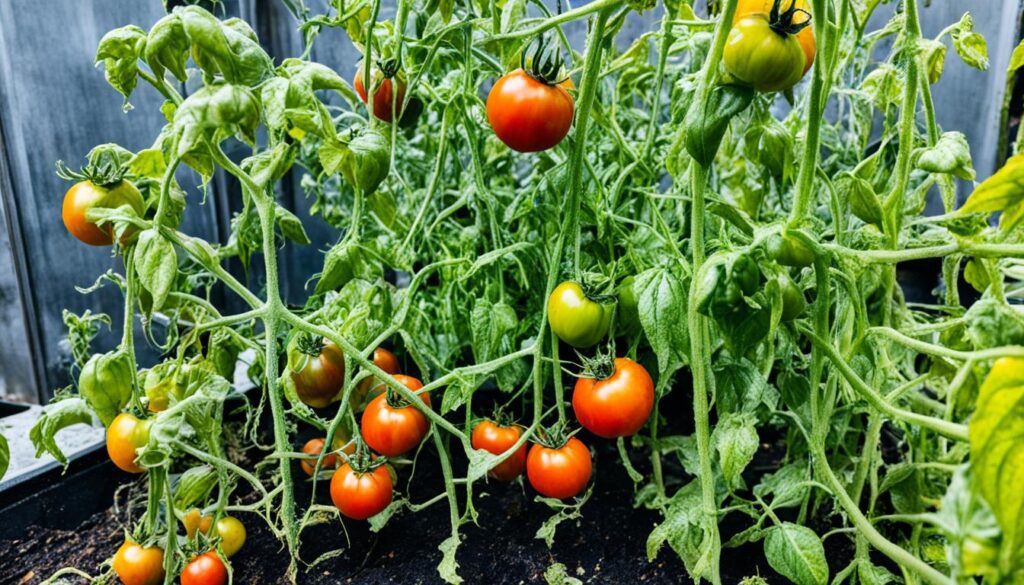
To fight late blight, use several methods together. Plant tomatoes that can resist the disease. Use fungicides early and take care of your plants well. Late blight was a big issue in the northeastern USA near the time this was written. Some types of the late blight fungus are especially bad for tomatoes. This made fighting the disease more critical in recent times, especially in the Northeast31.
Tomatoes that resist late blight best have Ph-2 and Ph-3 genes. This was shown in tests from 2012 and 2013. By being alert and ready with a good plan, you can protect your tomato patch from late blight31.
Stay alert and have a good plan ready. Act fast if you see late blight. With these actions, you can keep your tomatoes safe from this harmful disease293031.
For broader fungal disease context, compare tomato late blight with our fungal diseases guide and common garden diseases guide. For the full topic, visit the Disease Management hub.
Late Blight Update for 2026
Late blight remains an active disease risk in parts of the United States. Penn State Extension reported new infections in the Mid-Atlantic during September 2026 and emphasized that fungicides work best preventively or at the first sign of disease. Home gardeners should monitor tomatoes closely during cool, wet weather, remove infected tissue or plants promptly, improve airflow, avoid prolonged leaf wetness, and use only products labeled for tomatoes and late blight. See the 2026 Penn State late blight update for current regional reporting.
Conclusion
To keep your late blight tomatoes safe, you need to be thorough. This means preventing, spotting early, and treating quickly. Pick resistant tomato varieties, keep your garden clean, and use treatments as needed. These steps will help your tomatoes beat late blight and grow well32.
Keep in mind, late blight is very dangerous for tomatoes. Look at the Irish potato famine in the 1840s for an example32. But, if you’re careful and quick to act, you can fight back. Then, you’ll have lots of tasty tomatoes to enjoy33.
Stay on top of your plants and watch for any signs of sickness. Be fast to act if you see something wrong. This way, you can keep the damage from late blight to a minimum. By following the best methods, your tomato crop can be safe. You’ll have a great gardening year34.
FAQ
What is late blight and how does it affect tomato plants?
Late blight is a serious fungal disease that mainly targets tomato and potato plants. It shows as brown or tan spots on leaves. These spots can lead to leaf loss and even infect the fruit, making it look leathery and brown.
How can I identify the symptoms of late blight on my tomato plants?
Look for brown spots with a light ring on your plant’s upper leaves first. The illness will merge these spots, turning the whole leaf brown. This makes the leaf dry up and die.
What are the best ways to prevent late blight on my tomato plants?
Prevention starts with choosing tomato plants that are resistant to late blight. It’s also good to rotate your crops, space plants well for airflow, and mulch heavily. Always water at the plant’s base to prevent leaves from getting wet.
How do I treat late blight if it appears in my garden?
If you see late blight, remove and throw away any infected parts. You can use organic treatments like neem oil or copper fungicides. Chemicals might be needed, but they should be used carefully and right from when you first spot the disease.
Can I eat tomatoes from a plant infected with late blight?
It’s not harmful to eat tomatoes from infected plants, but the quality will likely be poor. It’s usually better not to eat the fruit if the disease has affected it.
How can I prevent late blight from overwintering in my garden?
Start by cleaning your garden well at the end of the season. Buy new seeds each year. Get rid of any stray tomato or potato plants. Change the spot where you plant tomatoes yearly to stop the disease from staying in your garden.
Can late blight be eradicated once it appears in my garden?
Is it possible to get rid of late blight once you see it? No, it’s hard to completely eliminate. But, with regular fungicide treatment and quickly removing any sick plants, you can keep it somewhat under control.
Hello colleagues, its enormous article on the topic of tutoringand entirely defined, keep it up all the
time.
I every time emailed this website post page to all my friends, as if like to read it next my friends
willl too.