

Are your plants showing signs of mysterious spots, discoloration, or wilting? Don’t let common garden diseases take over your garden! This guide offers 10 effective solutions to keep your garden healthy and vibrant1. Learn how to tackle powdery mildew, downy mildew, fusarium wilt, and bacterial spot. Say goodbye to those pesky diseases and welcome a lush, healthy garden.
Key Takeaways
- Learn to identify the signs of common garden diseases, including powdery mildew, black spot, and rust.
- Discover practical solutions to treat and prevent plant diseases, such as sanitation, crop rotation, and using disease-resistant varieties.
- Understand the importance of proper watering and mulching techniques to maintain plant health and reduce disease spread.
- Explore organic and natural remedies to manage soil-borne, viral, and fungal diseases in your garden.
- Implement integrated pest management strategies to keep your garden thriving all season long.
The Importance of Identifying and Treating Common Garden Diseases
Gardening is a rewarding hobby, but it comes with challenges. Plant diseases are a big threat to a garden’s health. These issues can make plants weak, causing wilting, discoloration, and stunted growth. It’s key to spot early signs like leaf spots and mold to treat them fast.
Left untreated, diseases can spread quickly, harming or killing your plants. So, it’s vital to identify and treat diseases early to keep your garden healthy.
Recognizing the Signs of Plant Diseases
Identifying garden diseases is the first step to fighting them. Biotic diseases come from living things like fungi and viruses and can hit different parts of a plant. Abiotic diseases are caused by things like poor soil or stress. Watch your plants for signs like spots and weird growth to catch diseases early.
Impact of Diseases on Plant Health and Growth
Not treating plant diseases can have big effects. In some countries, diseases can destroy up to half of major crops each year. This can make food more expensive for everyone. Catching and treating diseases early helps keep your garden healthy and productive.
Knowing how to spot and treat garden diseases helps protect your plants for a great garden. Plant diseases have been around for millions of years. Keeping an eye out for and dealing with these issues is key to a beautiful garden.
Sanitation and Crop Rotation
Keeping your garden clean is key to fighting garden diseases. Start by removing any diseased plant debris from last season. This step helps stop diseases from spreading to your new plants.
Rotating your crops each year also helps prevent soil diseases. By not planting the same plants in the same spot, you break the disease cycle. This stops many diseases from spreading.
Maintaining a Clean Planting Site
Clean your garden beds regularly and remove any diseased plants. This simple act helps prevent disease spread. Make sure to get rid of all infected plant material to stop harmful microorganisms from growing.
Rotating Crops to Prevent Disease Spread
Crop rotation is a great way to stop soil diseases and break disease cycles. By changing what you plant each year, you can control pests and diseases that target certain plants. This method also improves soil health and increases your harvest.
Plan your crop rotation by grouping similar plants together and moving them around your garden. Some plants like rhubarb, asparagus, and lavender can stay in one spot, but others should be rotated.
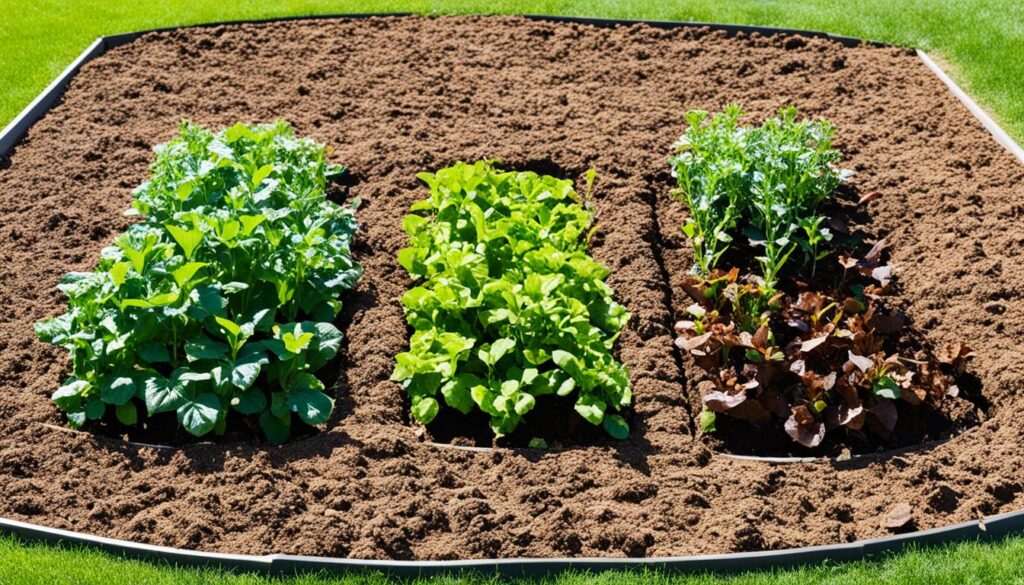
With a clean garden and a good crop rotation plan, you can stop common garden diseases from spreading. This keeps your garden healthy and productive.
Choosing Disease-Resistant Plant Varieties
When planning your garden, it’s key to pick plants that fight off diseases on their own. This can cut down on the risk of fungal, bacterial, and viral diseases. Look for plants labeled as “disease-resistant” or “disease-tolerant” when buying seeds and seedlings. Choosing tough, disease-resistant plants helps stop problems before they begin.
Disease resistance comes from a plant’s genes and can vary a lot. Breeders use this to make plants stronger against diseases. In the Midwest, some plants like Phlox ‘David,’ bee balm ‘Jacob Cline,’ and zinnia ‘State Fair’ fight off powdery mildew well. Other plants, like marigolds and pansies, are also resistant to certain diseases.
Good care for your plants, along with their natural resistance, can prevent many diseases. Some perennials, like aster and bee balm, are known for fighting off powdery mildew and rust.

By picking disease-resistant plants, you can often skip using pesticides and keep your garden easier to maintain. Most plant diseases come from fungi, causing issues like leaf spots and powdery mildew.
| Disease-Resistant Annuals | Disease-Resistant Perennials |
|---|---|
| Marigold (Tagetes spp.) – Alternaria leaf spot | Aster – Powdery mildew, rust |
| Pansy (Viola spp. and hybrids) – Cercospora leaf spot | Bee balm – Powdery mildew |
| – | Garden mum – Powdery mildew, rust |
| – | Delphinium – Powdery mildew |
| – | Geranium – Powdery mildew |
| – | Peony – Powdery mildew, botrytis |
| – | Phlox – Powdery mildew |
| – | Lungwort – Powdery mildew |
| – | Black-eyed Susan – Leaf spot |
| – | Sage – Powdery mildew |
| – | Sedum – Powdery mildew |
| – | Speedwell – Powdery mildew |
“Disease-resistant plants are effective in minimizing or even eliminating the need for pesticides and reducing maintenance in gardens and landscapes.”
Proper Watering and Mulching Techniques
Keeping your garden moist is key to stopping plant diseases. Too much water can cause diseases in seedlings and harm plants. To avoid this, water plants at the base in the morning and let the leaves dry out during the day.
Avoiding Overwatering and Wet Foliage
Wet leaves for too long create a perfect spot for fungal diseases. These diseases, like blight and powdery mildew, happen when plants stay wet. To stop this, watch how much you water and let leaves dry out between waterings.
Benefits of Mulching for Disease Prevention
Using organic mulch keeps soil moist and stops water from splashing on leaves. Mulching also helps with watering, weeding, and protects the soil, making your garden healthier. Plus, mulch or compost around plants keeps soil moist and cool, lowering disease risk.
By watering and mulching right, you make your garden less welcoming to diseases.

“Preventative measures, such as proper watering and mulching, are often the most effective way to combat garden diseases before they take hold.”
| Technique | Benefits |
|---|---|
| Proper Watering |
|
| Mulching |
|
common garden diseases and Their Solutions
As a gardener, you’ll often face fungal plant diseases that can harm your plants. These include powdery mildew and black spot. If not treated, they can make your plants look unhealthy and reduce their growth10.
Powdery Mildew
Powdery mildew is a common fungal disease that affects many plants like roses, cucumbers, and zucchini10. It looks like a white powder on leaves, stems, and flowers. This can slow down plant growth and lower yields. To fight it, use organic fungicides or improve air flow and don’t overcrowd your plants.
Downy Mildew
Downy mildew is another fungal disease that hits plants like cucumbers, lettuce, and grapes. It shows up as yellow leaves with a gray fuzz on the underside. It likes cool, damp places. To beat it, use proper watering, pick disease-resistant plants, and apply organic fungicides.
Black Spot
Black spot is a fungal disease that targets roses, leaving black spots on the leaves. If ignored, it can cause leaves to fall off and weaken the plant. To fight it, keep your garden clean, choose roses that resist disease, and use organic fungicides when needed.
Knowing about these common fungal diseases helps gardeners prevent and manage them. This keeps gardens healthy and full of life.
| Disease | Affected Plants | Key Symptoms | Management Strategies |
|---|---|---|---|
| Powdery Mildew | Roses, cucumbers, zucchini | White, powdery coating on leaves, stems, and flowers | Organic fungicides, improved air circulation, avoiding overcrowding |
| Downy Mildew | Cucumbers, lettuce, grapes | Yellowing and fuzzy gray growth on leaf undersides | Proper watering, disease-resistant varieties, organic fungicides |
| Black Spot | Roses | Distinctive black spots on leaves, defoliation | Good sanitation, disease-resistant varieties, organic fungicides |
By using cultural practices, picking resistant plants, and applying organic treatments, gardeners can beat these common fungal diseases. This keeps gardens healthy and beautiful.
Soil-Borne Diseases and Their Management
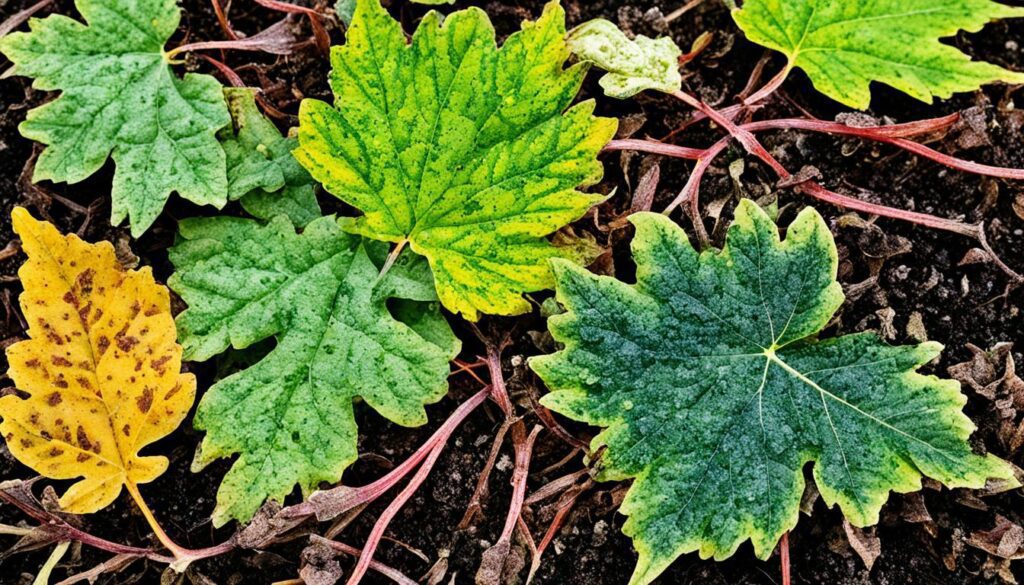
Soil-borne diseases are a big problem in gardens. They can live in the soil and infect plant roots. Two common diseases are fusarium wilt and verticillium wilt.
Fusarium Wilt
Fusarium wilt is a fungal disease that makes plants wilt, grow poorly, and die. The fungus Fusarium oxysporum stays in the soil for a long time. This makes it hard to control.
Verticillium Wilt
Verticillium wilt also attacks plants from the soil. It blocks the plant’s vascular system, causing sudden wilting and branch death. The fungi causing this disease, Verticillium dahliae and Verticillium albo-atrum, can last in the soil for years.
To fight these diseases, we need to use many strategies. We can grow disease-resistant plants, rotate crops, and keep the soil well-drained. Chemical treatments like copper sulfate or elemental sulfur can also help control the diseases in seeds and crops.
Reducing contact between plants and diseases helps too. This means having fields without diseases, good drainage, and air in the soil. Using cover crops, compost, and soil treatments with beneficial organisms can also fight these diseases.
Figuring out what disease a plant has can be hard. It often takes looking at symptoms and lab tests to know the cause. By understanding these diseases and using a good plan, gardeners can keep their plants healthy and their gardens thriving.

Viral and Bacterial Diseases in the Garden
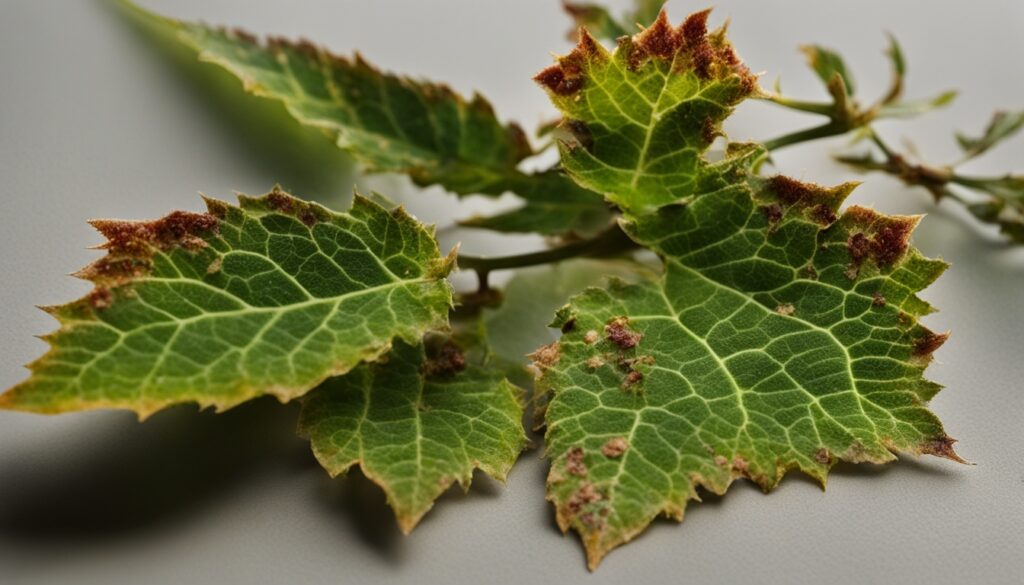
Fungal diseases can be tough on gardens, but viral and bacterial infections are just as big of a threat. Viruses like the mosaic virus cause leaves to look mottled and grow funny. Bacterial infections, like bacterial spot, lead to dark spots on leaves and fruit. These can be hard to deal with.
For viral diseases, finding a cure is often tough, so it’s key to use resistant plants and keep things clean. Bacterial diseases might be fought with fungicides that contain copper. But, you should remove any infected plants quickly to stop the disease from spreading.
Mosaic Virus
Mosaic virus is a common problem for many vegetables like cucumbers, squash, peppers, tomatoes, lettuce, spinach, and beans. It makes leaves look mottled in yellow and green, and can make plants grow funny and stay small.
Bacterial Spot
Bacterial spot mainly hits tomatoes and peppers but can also get other plants like cucurbits, lettuce, turnip, and cabbage. It shows up as dark spots on leaves and fruit, which can really cut down your harvest if you don’t act fast.
To fight these diseases, pick plants that are resistant, keep your garden clean, and watch for any signs of trouble. Catching and dealing with these diseases early can help stop them from spreading.
“Identifying and addressing viral and bacterial diseases in the garden is crucial for maintaining the health and productivity of your plants. With the right prevention strategies and prompt action, you can successfully manage these challenges and enjoy a thriving, disease-free garden.”
Fungal Diseases: Rust, Anthracnose, and Blight
Fungal diseases can be tough for gardeners, with rust, anthracnose, and blight being common problems. Fungi are the top cause of plant diseases. They spread through spores carried by wind, water, insects, and tools. For spores to start an infection, they need moisture and the right temperature. This makes these diseases more common in wet, humid seasons.
Rust shows up as orange or reddish spots on leaves and stems. Anthracnose causes dark, sunken spots. Blight turns plant tissues black and decaying. These diseases can spread fast and harm many plants if not treated.
To fight these diseases, prevention is key. Choosing plants that resist disease, keeping your garden clean, and using fungicides can help.
| Fungal Disease | Symptoms | Affected Plants |
|---|---|---|
| Rust | Orange or reddish spots on leaves, stems, and other plant parts | Wide variety of plants, including roses, beans, and wheat |
| Anthracnose | Dark, sunken lesions on leaves, stems, and fruits | Tomatoes, beans, and ornamental plants like dogwoods |
| Blight | Blackened, decaying plant tissues | Potatoes, tomatoes, and other nightshade family plants |

Understanding these fungal diseases and acting early can keep plants healthy. Using disease-resistant plants, keeping your garden clean, and applying fungicides when needed can help fight these diseases.
Root Rot: Identification and Prevention
Root rot is a big problem for gardens. It happens when plants get too much water and don’t drain well. This makes the roots decay, which is bad for the plant. Signs include wilting, slow growth, and parts of the plant dying.
To stop root rot, make sure your garden drains well and don’t water too much. If you think your plants have root rot, act fast. Fixing the soil and replacing sick plants can help.
Some fungi like Pythium and Phytophthora cause root rot. These fungi love wet soil and are hard to get rid of once they start.
Look for signs like slow growth, small leaves, and dying branches to spot root rot. For mild cases, cutting off infected roots and cleaning your tools might help. But for worse cases, you might need chemicals like chloropicrin.
To prevent root rot, pick plants that resist disease, keep the soil well-drained, and don’t overwater. Also, use irrigation moats to help with drainage and lower the risk of root rot. If you’re not sure how to deal with root rot, get help from a professional tree service.

Knowing about root rot can help you keep your garden healthy. Make sure to take steps to keep the soil right and the moisture balanced to avoid this common problem18.
Integrated Pest Management for Disease Control
Managing garden diseases is best done with an integrated pest management (IPM) approach. IPM uses knowledge, cultural practices, and non-chemical methods to control pests. This method aims for balance, allowing some pests while managing them effectively.
Cultural Practices
Cultural practices are key in IPM. They include preparing the soil, picking plants that can handle pests, and rotating crops. Planting “trap” crops and managing weeds also helps. Good soil conditions, like adding organic mulch, help plants grow strong and fight off pests and diseases.
Keep the mulch away from the plant trunk to stop pests from using it as a path.
Biological Controls
Using biological controls is a big part of IPM. Most insects are harmless, and some, like lady beetles, eat pests. Parasitoids and pathogens can also harm pests. Helping beneficial insects and animals live in your garden can keep pests under control.
IPM uses many controls, including removing pests by hand and using pesticides. It includes cultural, biological, mechanical, and pesticide controls. This way, gardeners can fight diseases without using too many harsh chemicals.
Organic and Natural Disease Remedies
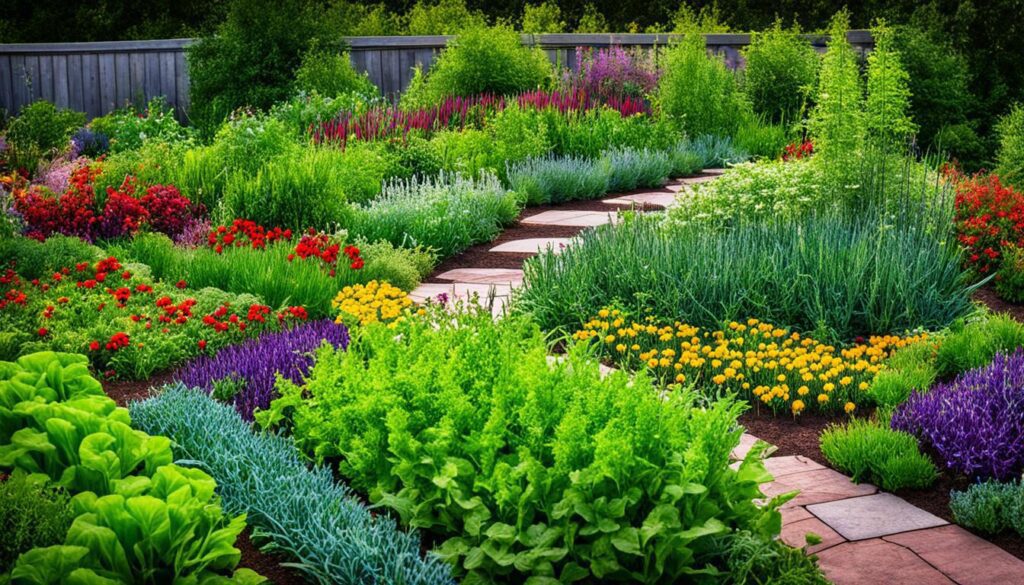
Gardeners looking for eco-friendly ways to fight plant diseases have many options. They can use baking soda sprays, chamomile tea, neem oil, and essential oils like tea tree or thyme. Adding beneficial microbes through compost or biofungicide products can also boost plants’ defenses.
A simple way to fight fungal diseases is with a baking soda solution. Mix 1 tablespoon of baking soda with a gallon of water and spray it on the plants. Chamomile tea is another natural fungicide, stopping some plant diseases in their tracks.
Neem oil comes from the neem tree and fights insects and fungi. It works against powdery mildew, black spot, and leaf spot. Essential oils like tea tree or thyme also have antifungal and antibacterial properties to protect plants.
- Baking soda sprays
- Chamomile tea
- Neem oil
- Tea tree or thyme essential oils
Adding beneficial microbes to your garden is another strategy. Use compost or biofungicide products to strengthen plants and fight off harmful pathogens.
| Common Garden Diseases | Organic/Natural Remedies |
|---|---|
| Powdery Mildew | Baking soda spray, neem oil |
| Black Spot | Neem oil, chamomile tea |
| Leaf Spot | Neem oil, essential oils |
| Fungal Diseases | Compost, biofungicides |
Using these organic and natural remedies can help you manage plant diseases. It also supports a healthy, sustainable garden.
“Organic gardening is not just about the plants – it’s about the whole ecosystem.”

Best Practices for Maintaining Healthy Plants
Keeping your plants healthy is key to stopping diseases. This means watering, pruning, and fertilizing right to stop growth that attracts diseases. Adding organic stuff to your soil helps good microbes fight off bad ones.
Proper Plant Care
Good plant care is vital for keeping plants healthy and stopping disease. Check your plants often for signs of disease or bugs. Cut off any damaged or sick parts quickly to stop it from getting worse. Also, water at the soil level to avoid getting the leaves wet, which can lead to fungus.
Soil Health and Amendments
Soil health is key to stopping diseases. Test your soil often to keep nutrients right and adjust your feeding. Add things like compost or manure to make the soil better and more fertile. This helps plants grow strong and brings in good microbes that fight off bad ones.
| Plant Care Tip | Benefits for Disease Prevention |
|---|---|
| Proper watering techniques | Reducing moisture on foliage to prevent fungal diseases |
| Timely pruning of damaged or diseased parts | Preventing the spread of diseases to healthy plant parts |
| Incorporation of organic matter in the soil | Boosting beneficial microorganisms that suppress pathogens |
| Planting disease-resistant varieties | Reducing the occurrence of diseases in the garden |
By taking care of your plants and keeping the soil healthy, you can make your garden stronger against diseases.
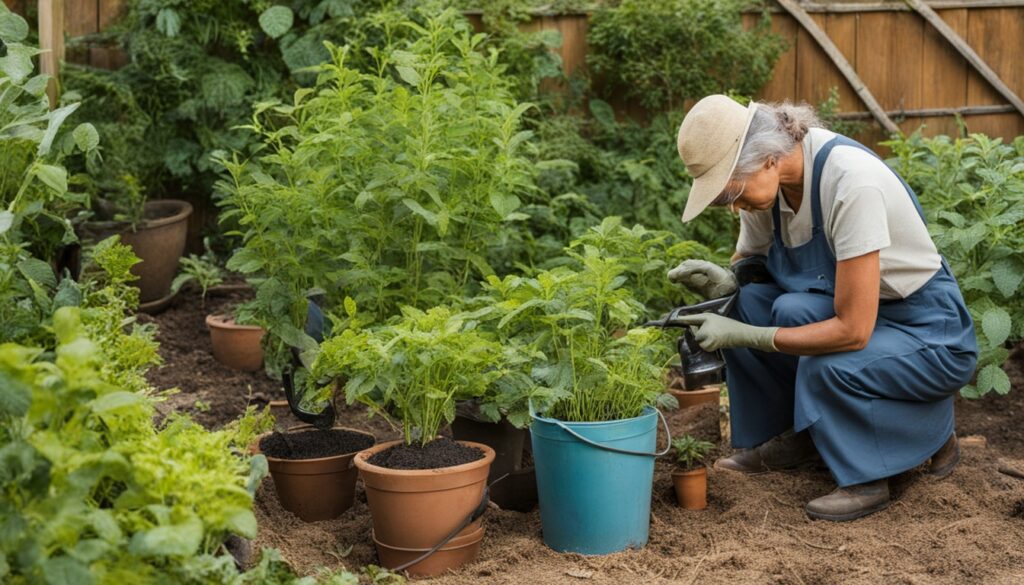
“Healthy soil is the foundation for healthy plants, and healthy plants are better equipped to resist diseases and pests.”
Diagnose the Problem Before Treating It
Similar symptoms can come from very different causes. Wilting, yellowing, leaf spots, or poor growth may be caused by pathogens, insects, watering problems, damaged roots, nutrient issues, or weather stress. Penn State Extension recommends scouting plants and identifying the root cause before choosing a treatment. Prevention also matters: improve airflow, avoid overcrowding and prolonged leaf wetness, remove infected material when appropriate, and choose resistant cultivars when available. See the Penn State garden pest and disease guidance.
Conclusion
Managing garden diseases can be tough, but with the right approach, you can keep your garden healthy. Start by making sure your planting area is clean and choose plants that can fight off diseases. Also, water your plants carefully to avoid wet leaves. Using organic treatments can also help.
Knowing how to spot diseases like powdery mildew and black spot is crucial. Use clean tools and rotate your crops to stop diseases like Fusarium wilt. Adding natural pest and disease fighters is a great way to keep your garden safe.
Stay alert and use a mix of pest control methods to beat garden diseases. Keeping your plants healthy is key to a beautiful garden. With the right steps, you can enjoy a garden full of life and beauty.
FAQ
What are some of the most common garden diseases?
Common garden diseases include powdery mildew, downy mildew, black spot, and fusarium wilt. Other diseases are verticillium wilt, mosaic virus, rust, root rot, anthracnose, and blight.
How can I identify the signs of plant diseases in my garden?
Look for signs like leaf spots, mold, wilting, discoloration, and stunted growth. Spotting these early helps in treating them effectively.
What are the impacts of untreated garden diseases?
Untreated diseases can spread fast, harming or killing your plants. It’s vital to treat them quickly to protect your garden.
How can I prevent common garden diseases?
Prevent diseases by removing diseased plants, rotating crops, choosing resistant varieties, watering right, and keeping your garden clean.
What are some effective organic and natural remedies for garden diseases?
Use organic remedies like baking soda sprays, chamomile tea, neem oil, and essential oils from plants like tea tree or thyme. Beneficial microbes can also fight plant diseases.
How can I manage soil-borne diseases like fusarium wilt and verticillium wilt?
To prevent soil diseases, use resistant plants, rotate crops, and sterilize the soil. These steps help control fungal pathogens.
What can I do to treat common fungal diseases like powdery mildew and black spot?
Use sanitation, resistant plants, and organic fungicides to fight fungal diseases. These thrive in warm, humid places.
How can I prevent the spread of viral and bacterial diseases in my garden?
Prevent viral diseases by using resistant plants and keeping your garden clean. Bacterial diseases can be fought with copper-based fungicides.
What are the signs of root rot, and how can I prevent it?
Root rot shows as wilting, stunted growth, and dieback. Prevent it by ensuring good drainage, avoiding too much water, and replacing infected soil or plants.
How can an integrated pest management (IPM) approach help control garden diseases?
IPM uses cultural practices, biological controls, and organic treatments. This approach helps manage diseases in a sustainable way.