
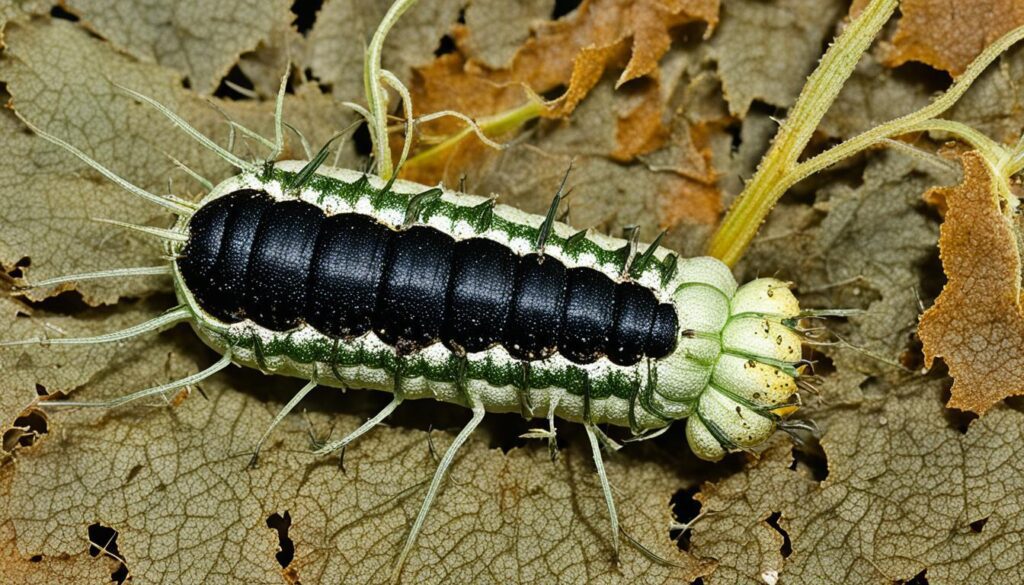
Are you fighting squash vine borers in your garden? This pest can ruin your squash plants, but don’t worry. We have 9 natural ways to fight these pests. A single female moth can lay up to 150 eggs, so they’re a big problem. But, with the right methods, you can save your squash and get a great harvest.
Key Takeaways
- Squash vine borers are a common, destructive garden pest that can kill squash plants
- The larvae of an orange and black sesiid moth, they bore into the stems and gradually eat the plant to death
- A single female moth can lay up to 150 eggs in a season, posing a serious threat
- Organic methods like Bt sprays, mulching, crop rotation, and companion planting can effectively control squash vine borers
- Monitoring for eggs and larvae, as well as post-harvest soil tillage, can help reduce future infestations
What are Squash Vine Borers?
Squash vine borers (Melittia cucurbitae) are pests for squash and pumpkin growers in North America. They look like orange and black moths, often mistaken for wasps. These moths are native to the Americas and live east of the Rocky Mountains, threatening wild and cultivated cucurbit plants.
The female moths lay tiny copper eggs on plant bases, stalks, and vines. These eggs hatch in 7-15 days, and the larvae eat the stems from the inside for 2-4 weeks. A single plant can have many larvae, causing wilting, collapse, and death.
Squash vine borers spend the winter as larvae or pupae in the soil. In June and July, adult moths come out, with one or two generations a year in different places. Some squash types, like hollow-stemmed pumpkins, are more at risk than others0.
To fight squash vine borers, growers use many methods, like cultural and physical controls, and smart planting and sanitation. They can cover plants, remove eggs, check for larvae, and use row covers. Getting rid of vines after harvest and composting helps too. Planting squash often lets you harvest some before the borers hit. Sometimes, insecticides are needed to kill the larvae at the plant base.
“Squash vine borers can be a big problem, but with the right strategies and knowledge, you can beat them and protect your squash and pumpkin.”
Signs of Squash Vine Borer Damage
Wilting and collapsing squash plants are clear signs of squash vine borer damage. You’ll also see small entry holes and brown frass (excrement) near the stems. This usually happens in mid-summer, after the larvae have been eating inside the plant for weeks.
The larvae, up to an inch long, eat the plant’s nutrients and moisture from inside the stems. This makes the plant wilt and can even kill it.
Adult squash vine borers start to appear in late June or early July. They lay eggs on the leaf stalks and vines. These eggs hatch quickly, and the larvae move into the stems to start eating. In bad years, these pests can destroy entire gardens or small farms.
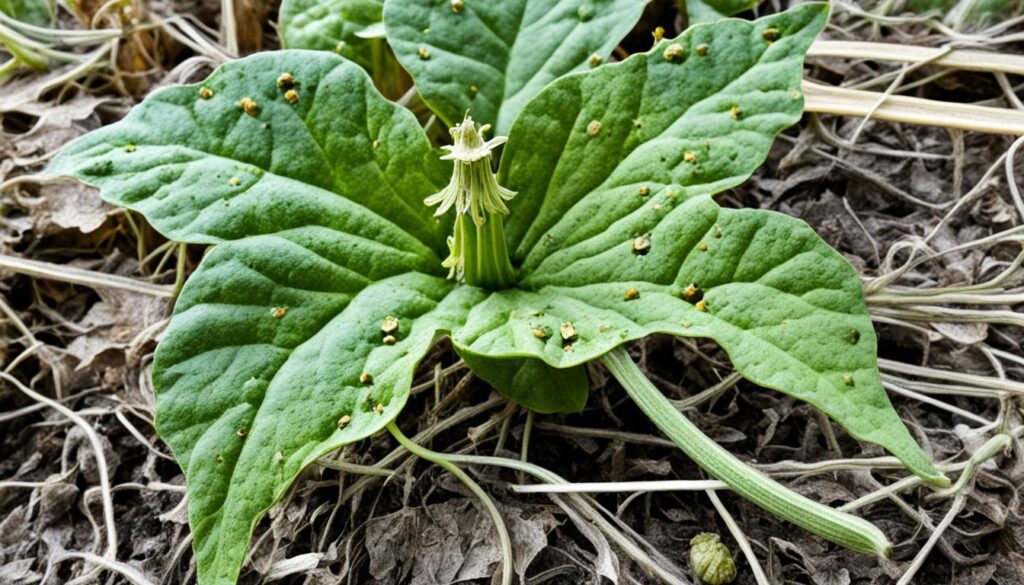
Butternut squash is less likely to get damaged by squash vine borers than Hubbard and acorn squash. However, it can still suffer significant damage if not protected. It’s crucial to watch closely and use barriers to keep these pests away.
| Squash Variety | Susceptibility to Squash Vine Borer |
|---|---|
| Butternut Squash | Less Susceptible |
| Hubbard Squash | More Susceptible |
| Acorn Squash | More Susceptible |
Using broad-spectrum insecticides might help, but they can also harm bees and should be avoided when the plants are flowering. For the best approach, talk to local experts at cooperative extension services. They can suggest the most effective and safe ways to control pests in your area.
Apply Organic Bt Spray
Using a Bacillus thuringiensis (Bt) insecticide, like the kurstaki strain (Bt kurstaki), is a great way to fight squash vine borers. This bacteria naturally targets caterpillars, including squash vine borer larvae, but is safe for bees. Organic farmers often choose Bt spray for its effectiveness and eco-friendliness.
The Bt kurstaki (Btk) strain is very good at killing squash vine borer larvae. It works by releasing a toxin that stops the larvae from eating, leading to their death in 2-3 days. To prevent damage, spray OMRI-certified Bt around your squash plants weekly, focusing on the base and stems.
Even though Bt is safe for most insects, be careful around plants that caterpillars also like. Adding this organic Bt spray to your pest control plan can help keep squash vine borers away and protect your squash.
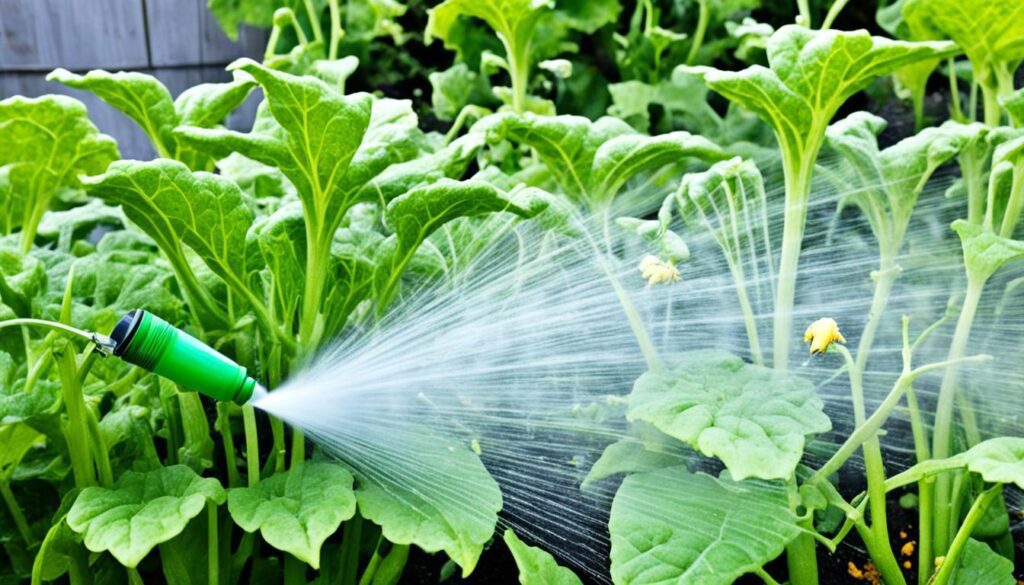
Mulch the Plant Stems
Putting heavy mulch on your squash plant’s stem as it grows can stop adult squash vine borer moths from laying eggs. This method also helps vining squash plants grow new roots along their stems. This way, the plants can keep growing even if they get infected by squash vine borers.
Mulching squash stems has two big benefits. First, the mulch acts as a barrier, making it hard for moths to lay eggs on the stems. Second, the mulch keeps the stems moist and protected. This can help the plant grow new roots if the main stem gets damaged by borers.
To mulch your squash plants, put a 4-6 inch layer of organic mulch like straw, leaves, or wood chips around the base. Make sure not to cover the leaves or tips of the plants. Add more mulch as needed during the growing season to keep the barrier strong.

Remember, mulching squash stems is a key way to prevent squash vine borer eggs. It helps your plants fight off these pests and thrive.
Practice Crop Rotation
Changing where you plant your squash each year can stop squash vine borers from finding your plants. This moves your plants away from where the borers spend the winter. If you use containers, change the soil if you’ve had borers before.
Crop rotation helps because borers pupate in the soil over winter and come back to the same spot in spring. By moving your squash crop locations every year, you make it harder for borers to find your plants.

Also, pick less popular squash types, like those from the Cucurbita maxima species, which borers don’t like. This makes your crop rotation even more effective at keeping borers away.
| Crop Rotation Benefits | Potential Drawbacks |
|---|---|
| Disrupts the life cycle of squash vine borers | Requires more planning and organization |
| Reduces the risk of pest and disease buildup in the soil | May require more space or additional garden beds |
| Can improve soil health and fertility over time | May require a longer growing season for some crops |
With a good crop rotation plan, gardeners can beat squash vine borers and grow healthy, pest-free squash.
“Rotating the location of your squash crops is one of the most effective ways to break the life cycle of squash vine borers and protect your plants from this persistent pest.”
Use Companion Planting
Companion planting is a great way to keep squash vine borers away from your garden. By planting certain herbs and vegetables near your squash, you can create a barrier. This barrier keeps these pests away.
Nasturtiums, mint, and radishes are excellent choices for companion planting. They release strong smells that squash vine borers dislike. This makes them avoid your crops. In fact, many gardeners use onions, garlic, leeks, and other plants to keep pests away.
But remember, companion planting isn’t always enough to stop squash vine borers. About half of gardeners find it doesn’t fully protect their plants. Some still face problems even with different plants together.
To make companion planting work better, combine it with other pest control methods. Try using Bt sprays, row covers, or picking pests by hand. This way, you can fight squash vine borers from all angles and get a great harvest.

| Companion Plant | Benefit |
|---|---|
| Nasturtiums | Emit strong scents that deter squash vine borers |
| Mint | Releases pungent aromas that repel pests |
| Radishes | Attract predatory insects that feed on squash vine borer eggs and larvae |
| Sunflowers | Attract the bigeyed bug, a natural predator of squash bugs |
| Three Sisters (corn, beans, squash) | Reduce the number of cucurbit pests found on the squash plants |
Using these companion planting tips can help you fight squash vine borers. You’ll enjoy a great harvest of your favorite squash.
Shield the Stems
Protecting your squash plants from squash vine borers is easy with stem shielding. Wrap the stem with aluminum foil to block the larvae from getting inside.
Wrap the foil around the stem, making sure it’s a few inches tall and an inch under the soil. This stops the larvae from reaching the plant.
- Wrap the stem with a piece of aluminum foil, extending several inches tall and at least an inch into the soil.
- Adjust the foil wrapping as the stem grows to maintain the protective barrier.
- This simple technique can effectively keep squash vine borers away from your plants.
The foil method has a 95% success rate in stopping female squash vine borers from laying eggs. You should adjust the foil every two weeks, taking about 1-2 minutes per plant.

This easy method can change the game for squash growers. Using aluminum foil as a barrier stops borers from entering and harming your plants.
“The tenting method using window screen for summer squash has been successful in keeping squash bugs and borers away, leading to good harvests.”
Using this method with other pest control like Bt spray and crop rotation helps fight squash vine borers. This ensures a good harvest.
| Technique | Effectiveness | Time Investment |
|---|---|---|
| Aluminum Foil Wrapping | 95% success rate in preventing egg-laying | 1-2 minutes per plant, with regular adjustments |
| Tenting with Window Screen | Proven effective in preventing squash bugs and borers | Varies based on garden size |
| Bt Spray Application | Safe and effective when applied correctly | Depends on frequency of application |
By using these methods, you can protect your squash stems and stop borers from entering your plants.
Squash Vine Borers
Squash vine borers (Melittia cucurbitae) are a big problem for gardeners. They can destroy a whole crop of squash quickly. These pests are the larvae of a moth that lays tiny, copper-colored eggs on squash plants. After the eggs hatch, the larvae eat the plant from the inside out, making the plants wilt and collapse.
The life cycle of squash vine borers is tough for gardeners. One moth can lay up to 250 eggs, which is a big threat to squash plants. In some areas, there can be two generations of these borers, making the problem worse. To fight this, gardeners might need to replant every 2-3 weeks to have backup crops.
Some squash types are more at risk from squash vine borers than others. Hubbard squash, a type of winter squash, is very susceptible and can help trap borers away from other squashes. Cucumbers and melons are usually safe from these borers. Butternut squash (C. moschata) is one of the least affected winter squash types.
To fight squash vine borers, gardeners can inject Bt into the stem or use insecticidal soap (Safer soap) on the stem to kill eggs and prevent infestations.
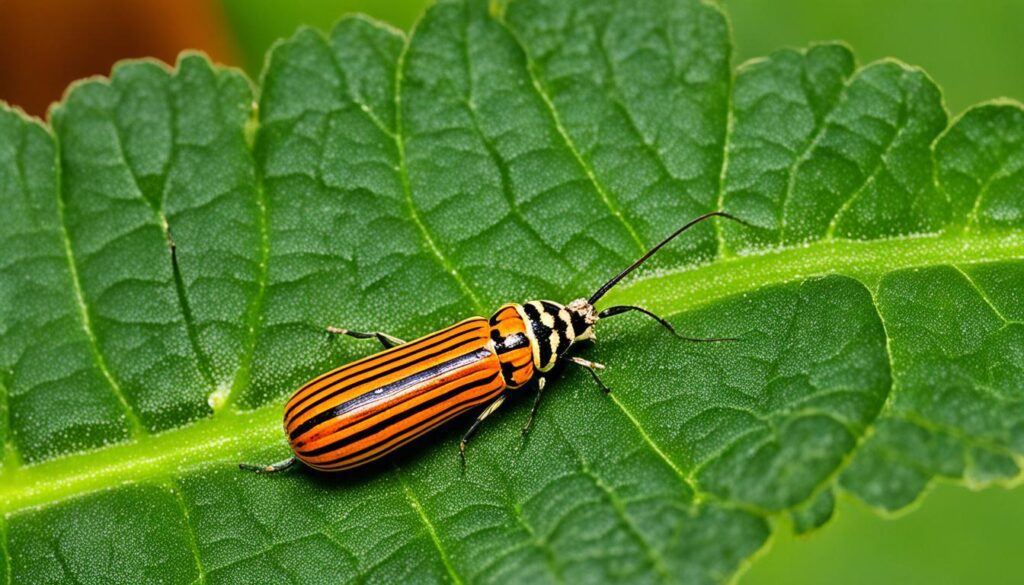
Knowing how squash vine borers live and what damage they cause is key to managing them. By using different control methods, gardeners can keep their squash safe and enjoy a good harvest.
Adjust Planting Time
Changing when you plant squash can help fight squash vine borers. In many places, planting squash later in the summer helps. This is after the adult moths have laid their eggs. This way, the plants grow without the larvae harming them.
This method is great for northern areas with only one vine borer generation a year. Planting in early July can skip the egg-laying time. In the South, with two vine borer generations, planting in early to mid-August is best.
Changing when you plant can lessen damage from squash vine borers. Mature plants are less likely to get a lot of damage. Also, the USDA Organic standards say to wait 120 days after using raw manure before harvesting food that touches the soil. This helps with the timing of your squash crop.

Planning your squash crop well can stop squash vine borer problems and give you a big harvest. Using natural methods like planting together and row covers also helps protect your squash.
“Adjusting the planting time of your squash crops can be a game-changer in the fight against squash vine borers.”
Use Row Covers
Using row covers can stop squash vine borer moths from reaching your plants and laying eggs. These covers, like gauze, keep pests like squash bugs away. But, they also block helpful insects, so you’ll need to pollinate your squash by hand.
Researchers are looking into how row covers can help control pests without hurting plant growth. Studies show that removing covers in the morning can help squash yields as much as using insecticides alone. Row covers also protect plants from frost, keeping them 6ºF to 10ºF warmer than outside.
For squash vine borer prevention, make sure the row covers fit tightly around your plants. You can also use shade cloth or tarps for protection. If it gets really cold, use two layers of material for better frost protection.

Row covers are a good way to fight squash vine borers, but think about the pros and cons. Combine them with crop rotation and hand pollination for the best squash crop.
Monitor for Eggs and Larvae
Keep a close watch on your squash plants to spot squash vine borers early. Regularly check your plants for tiny, copper-colored eggs of the squash vine borer moth. These eggs are usually found on the stems and underside of leaves. If you see these eggs, remove and destroy them right away to stop the larvae from hatching and harming your plants.
Finding the eggs can be hard, but the larvae are easier to spot. Look for small holes and brown droppings near the plant base. These signs mean the larvae have entered the stems. Once inside, controlling them is tough, so catching them early is crucial.
By checking your squash plants often and removing eggs or larvae, you can beat the squash vine borer. This careful watching, along with other control methods, can help you have a great harvest and keep your squash healthy.

| Product | Description | MSRP | Packaging |
|---|---|---|---|
| Trap Kit (PWK119) | 2 delta traps, 2 pheromone lures, 2 hangers | $21.99 | Case of 15 |
| Lure Pack (PWL121) | 3 pheromone lures | $19.99 | Case of 10 |
| Trap Pack (PWT002) | 3 delta traps with hangers | $14.99 | Case of 10 |
“Implementing field sanitation by destroying infected vines is recommended.”
Till the Soil After Harvest
Tilling the soil where squash was grown after harvest can kill overwintering pupae of the squash vine borer. This breaks their life cycle. It’s a key step in managing these pests naturally.
The squash vine borer is a tough garden pest. Tilling the soil after harvest helps your future crops fight back. It gets rid of overwintering pupae, stopping them from turning into adult moths.
Adding this soil-tilling to your routine is a natural way to fight the squash vine borer. It disrupts their life cycle, helping you enjoy a great squash harvest.

Beneficial Nematodes
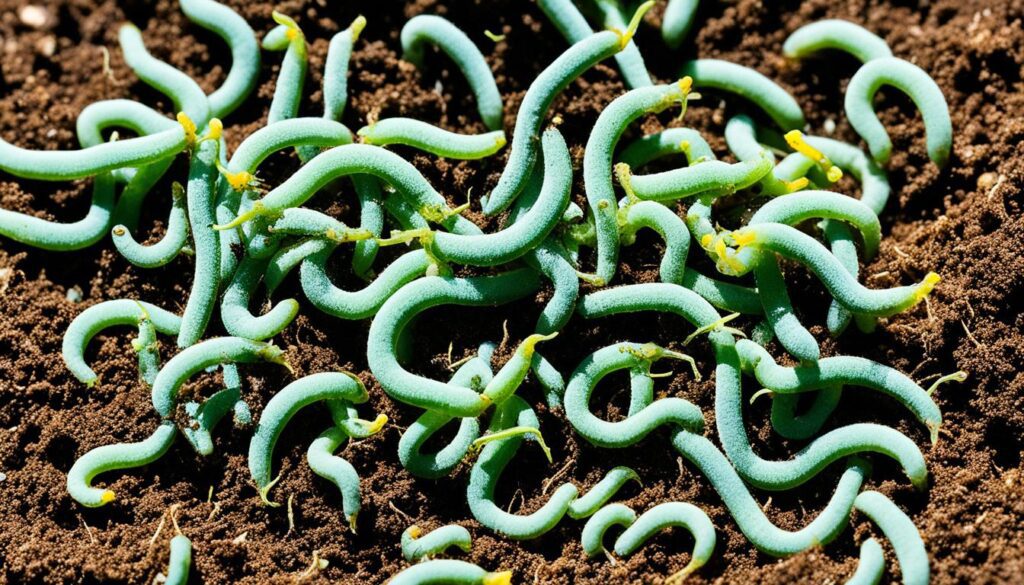
Beneficial nematodes are a great way to fight squash vine borers naturally. These tiny worms attack the pests that harm squash plants. They help reduce the number of pests and keep your squash safe.
Species like Steinernema carpocapsae and Heterorhabditis bacteriophora are great at controlling squash vine borers. They enter the larvae and release a bacteria that kills them in 24 to 48 hours. This is a safer choice than chemical sprays, good for your garden and the environment.
It’s important to apply nematodes at the right time. The squash vine borer larvae feed for a few weeks before hiding in the soil. Applying nematodes during this time stops the pests from spreading.
Using nematodes is also simple. Mix them with water and spray or soak the soil around your squash plants. This makes sure the larvae get exposed and killed.
Adding nematodes to your pest control plan is smart for those who want a natural way to fight squash vine borers. These tiny helpers protect your squash and let you enjoy a healthy harvest without harsh chemicals.
“Beneficial nematodes are a game-changer in the fight against squash vine borers. They provide a safe and effective solution that aligns with organic gardening principles.
Conclusion
Using a mix of 9 natural methods can help protect your squash plants from squash vine borers. You can use organic Bt spray and mulch around the stems. Also, try planting at the right time and use plants that help each other grow.
Squash vine borers mainly attack plants like squash, pumpkins, and cucumbers. Watch for signs like wilting and holes in stems. By acting fast, you can save your squash crop. These natural methods will help you have a great harvest and keep pests away.
With some effort and the right organic methods, you can keep squash vine borers away. Use these effective strategies for a pest-free squash garden. Enjoy a healthy and abundant squash harvest all season.
Source: For research-based squash vine borer identification and control, see University of Minnesota Extension’s squash vine borer guide.
FAQ
What are squash vine borers?
Squash vine borers are the larvae of an orange and black moth. They destroy squash plants from the inside out.
How do I identify signs of squash vine borer damage?
Look for wilting and collapse of squash plants. Also, check for small entry holes and brown frass (excrement) around the stems.
How can I use Bt spray to control squash vine borers?
Use a Bacillus thuringiensis (Bt) spray with the kurstaki strain on your plants. It kills squash vine borer larvae effectively.
How does mulching the plant stems help prevent squash vine borers?
Mulching the stem with heavy mulch stops adult moths from laying eggs on the stems. This protects your squash plant.
How does crop rotation help control squash vine borers?
By rotating squash crops each year, you prevent moths from finding and infesting your new plants.
What companion plants can help deter squash vine borers?
Plant nasturtiums, mint, and radishes near your squash. Their strong scents repel squash vine borers.
How can shielding the plant stems help prevent squash vine borers?
Wrap squash stems with aluminum foil. This barrier stops larvae from entering the plant.
When is the best time to plant squash to avoid squash vine borers?
Plant squash later in the summer, after moths have laid their eggs. This avoids the destructive larvae.
How can row covers help protect against squash vine borers?
Row covers keep moths from laying eggs on your plants. They also block beneficial pollinators.
What should I do if I find squash vine borer eggs on my plants?
Check your squash plants for eggs. Remove and destroy them to stop the larvae from infesting your plants.
How can tilling the soil help control squash vine borers?
Tilling the soil after harvest exposes and kills squash vine borer pupae. This breaks the life cycle and reduces moths the next season.
How can beneficial nematodes help manage squash vine borers?
Apply beneficial nematodes to the soil. These microscopic worms parasitize the larvae, reducing the pest population and protecting your plants.