
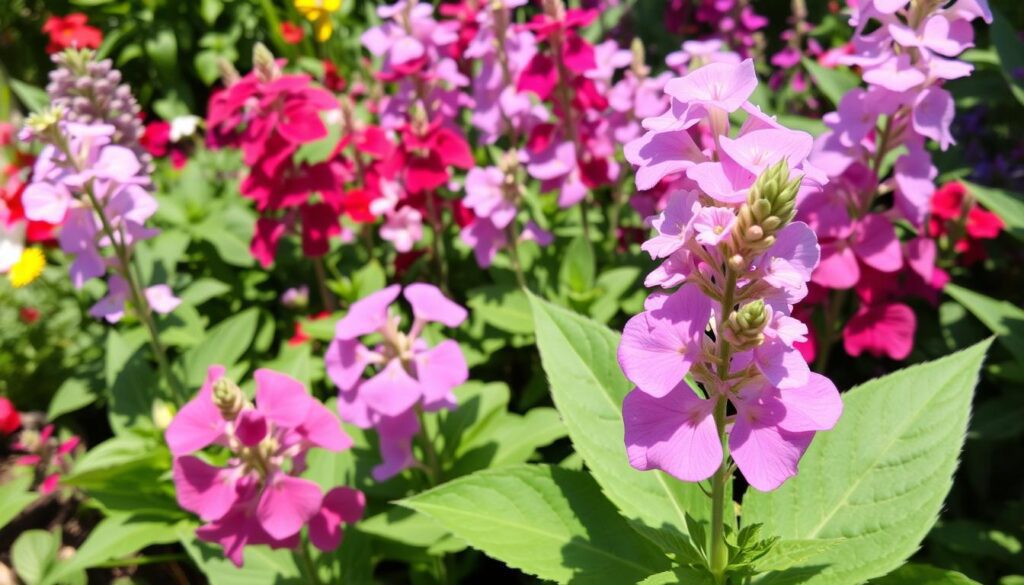
Are your vibrant, blooming salvias suddenly wilting or struggling to thrive? Don’t worry – you’re not alone. These hardy perennials can face many challenges, like pests, diseases, and environmental stress. The good news is that many common salvia problems can be easily fixed with the right approach. In this guide, we’ll explore the top issues affecting these beloved garden plants and share simple solutions to get your salvias thriving again.
Key Takeaways
- Salvia plants require specific care to thrive, including proper sunlight, watering, and soil conditions.
- Common problems like leaf wilt, leggy growth, and fungal diseases can often be addressed with targeted solutions.
- Identifying the root cause of the issue is crucial before implementing a fix to ensure long-term plant health.
- Proper maintenance, including pruning and pest management, can help prevent many salvia-related problems.
- Understanding the unique needs of different salvia varieties can help you provide the best possible growing conditions.
Understanding Common Problems with Salvias
Salvias are part of the mint family and are known for their scent and color. They come in many types, each needing different care. Knowing about these varieties helps gardeners grow them well.
Types of Salvia Plants and Their Characteristics
Salvias are mainly divided into three types: deciduous, evergreen, and shrub-forming. Deciduous salvias, like ‘Mainacht’ and ‘Caradonna,’ can grow up to 36 inches tall. They grow upright.
Evergreen salvias, such as ‘Ostfriesland,’ are drought-tolerant and grow in a compact shape. Shrub-forming salvias are more bushy and need special pruning to grow well.
Basic Care Requirements for Healthy Growth
Salvias need the right care to thrive. They do well with sunlight, water, and nutrients. For example, more sunlight can make them bloom up to 50% more.
Deadheading can also help them bloom again. Changing how often you water and fertilize them is important for their health.
Signs of Stressed Salvia Plants
It’s important to know when a salvia plant is stressed. Signs include wilting, yellow leaves, and not blooming. Too much water can cause yellow leaves and soft stems.
Not enough water can make leaves wilt and turn crispy. Pests and diseases can also stress them out.
Understanding salvias, their needs, and stress signs helps gardeners care for them. This way, they can enjoy these colorful and fragrant plants in their gardens.
Lack of Blooming Issues in Salvia Plants
If your salvia plants aren’t blooming, there might be a few reasons. One big one is not enough sunlight. Salvias need 6-8 hours of direct sunlight a day to bloom well. If they’re in a shady spot, they won’t bloom as much.
Deadheading, or removing old blooms, can also help. It tells the plant to make more flowers. Young or recently moved plants might take time to bloom fully.
Watering and pruning can also affect blooms. Salvias like well-drained soil and steady moisture. Too much or too little water can stop them from blooming. Pruning at the wrong time or in the wrong way can mess up their bloom cycle.
If you’re having salvia flowering problems or bloom issues, think about these reasons. Change how you care for your plants. With the right care, your salvias will bloom brightly all season.
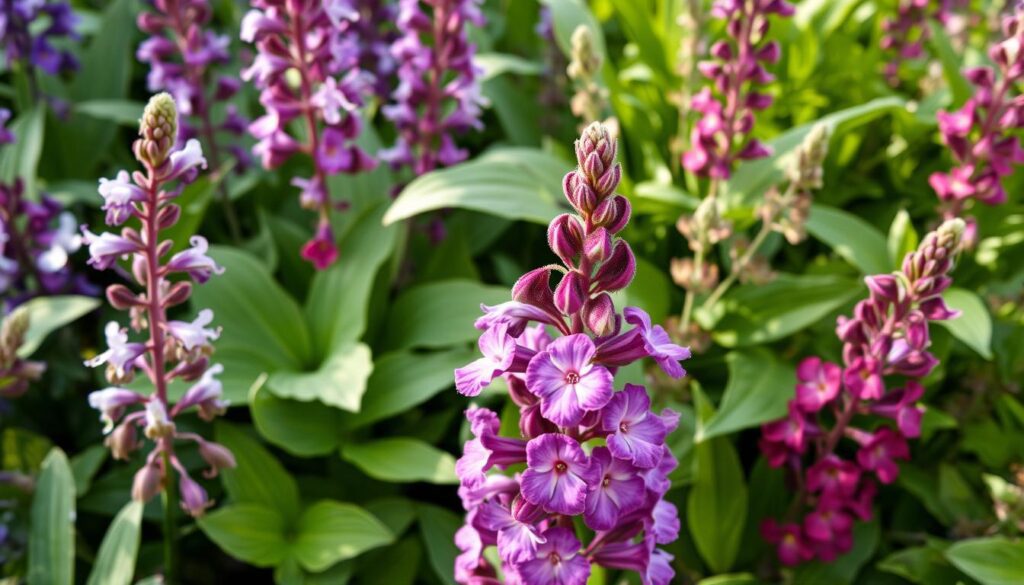
“Salvia plants are continuous bloomers during late spring through fall.”
To make sure your salvias bloom well, remember these tips:
- Give them 6-8 hours of direct sunlight a day.
- Deadhead old blooms to get new ones.
- Keep the soil moist but well-drained.
- Prune carefully and at the right time.
- Wait for young or recently moved plants to mature.
By fixing common salvia flowering problems and bloom issues, your salvias will bloom beautifully.
Problems with Salvias in Different Growing Conditions
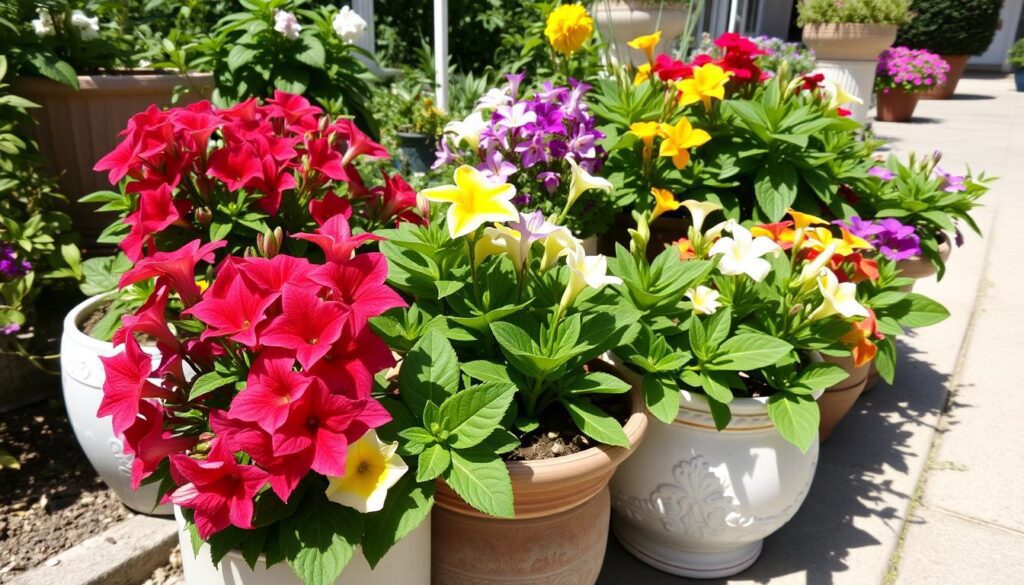
Salvias in pots and garden salvias are versatile but face challenges based on their environment. Whether in containers or garden beds, knowing these stress factors is key for their health and beauty.
Container Growing Challenges
Salvias in pots often deal with poor soil and water issues. The small space can cause nutrient loss and moisture problems, leading to stress and slow growth. It’s important to check and adjust watering, fertilizing, and soil often.
Garden Bed Issues
In garden beds, salvias compete with other plants for resources and face drainage issues. Good soil and enough space can help them grow well with other plants.
Environmental Stress Factors
Salvias can be affected by extreme weather, drought, and too much rain. Watching the weather and providing care like shading or extra water can help them cope.
“Salvias can grow successfully on green roofs with minimal water, as seen in the case of ‘Ostfriesland’ thriving for five years.”
Knowing the challenges salvias face in pots, gardens, and with environmental stress helps you care for them better. This way, they can thrive in any condition.
Watering-Related Problems and Solutions
Keeping the right moisture level is key for your salvia plants’ health and growth. Too much or too little water can cause problems like root rot and wilted leaves. It’s important to know the signs of bad watering and how to fix it.
Overwatering is a common issue. It can cause root rot, stem browning, and harm the plant. Look for yellow leaves, wilting, and wet soil that doesn’t dry out.
Underwatering is also harmful. It can make leaves wilt, turn color, and slow growth. Signs include droopy or curled leaves.
To water your salvias right, let the soil dry a bit between waterings. Check the soil moisture and adjust how often you water. Hot, dry weather means more water, while cooler, humid times need less.
| Watering Issue | Symptoms | Solutions |
|---|---|---|
| Overwatering |
|
|
| Underwatering |
|
|
Fixing watering problems quickly and using the right watering methods helps your salvias grow well. They will give you beautiful foliage and flowers all season.

Fungal Diseases Affecting Salvia Plants
Salvia plants are loved for their bright colors and many uses in gardens. But, they can get sick from fungal diseases like powdery mildew, root rot, and gray mold. Knowing how to spot and treat these problems is key to keeping your salvias healthy and looking great.
Powdery Mildew Management
Powdery mildew is a fungus that attacks salvia leaves, especially in damp, still air. It makes leaves look white or light gray. If not treated, it can slow down or even kill the plant. To fight it, try spraying the plants with a mix of baking soda and water.
Root Rot Prevention
Salvias can get root rot from too much water. This fungus harms the roots and can kill the plant. To stop root rot, make sure the soil drains well and don’t water too much. Use soil that’s slightly acidic to protect your plants.
Gray Mold Control
Gray mold, or Botrytis blight, is another fungus that harms salvias. It likes damp, crowded spots and can come back next year. Look for dark spots or fuzzy gray growth on leaves. To control it, remove infected parts, clean tools well, and keep plants well-spaced.
By knowing about these fungal diseases and how to prevent and treat them, gardeners can keep salvias healthy and colorful. Good spacing, air flow, and careful watering help avoid these problems.

Addressing Leaf Discoloration and Damage
When your Salvia plants show signs of discoloration or damage, it’s important to act fast. Salvia leaf problems like yellowing, browning, or wilting can come from many sources. These include wrong watering, not enough nutrients, pests, and stress from the environment.
One big reason for salvia leaf discoloration is too much or too little water. Yellow leaves often mean the plant is getting too much or too little water. To fix this, change how often you water and make sure the soil drains well to keep the right moisture.
Leaf damage can also happen if Salvia plants don’t adjust well to their surroundings. Sun scorch can turn leaves crispy and brown, especially if they go from shade to full sun too fast. Slowly getting them used to more sun helps avoid this.
- Adjust watering frequency to address over- or under-watering
- Ensure proper soil drainage to prevent waterlogging
- Gradually acclimate Salvia plants to changes in sunlight exposure
Also, not getting enough nutrients or having pests can cause salvia leaf problems. Finding and fixing the root cause, like using the right fertilizers or getting rid of pests like aphids or spider mites, can help your plants look great again.
“To fix leaf discoloration and damage in Salvia plants, you need to look at watering, sunlight, nutrients, and pests. With the right care, your Salvia plants can stay healthy and look beautiful.”
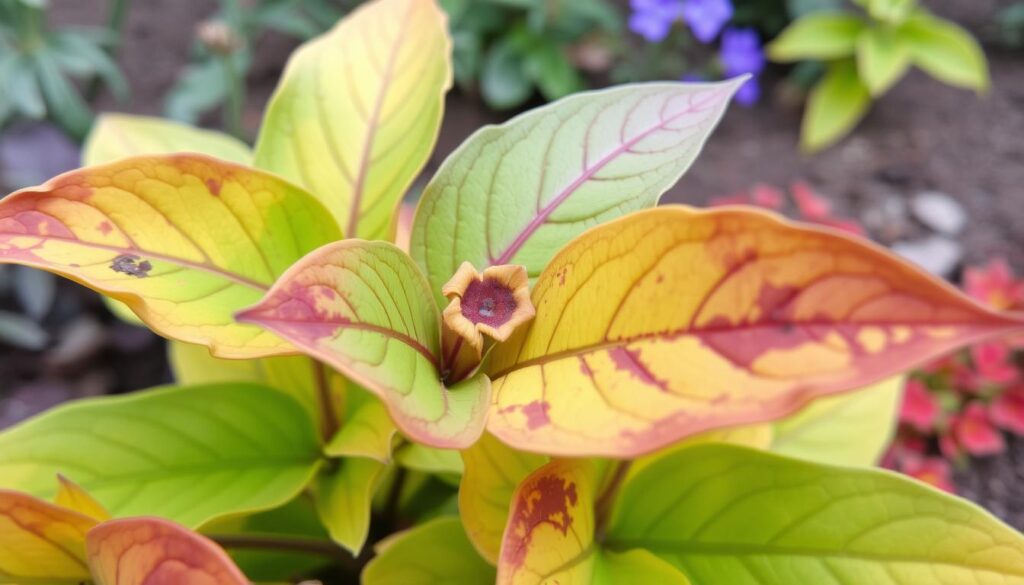
Knowing why Salvia plants get discolored or damaged helps you fix the problem. By taking care of these issues, your Salvia plants can stay green, vibrant, and healthy. A bit of effort can make your Salvia garden look amazing.
Root System Issues and Transplant Problems
Salvia plants can face challenges like transplant shock and root problems. These issues can harm their growth and health. Improper transplanting techniques often cause these problems. It’s important to slowly get the plants used to outdoor conditions before transplanting.
This helps avoid transplant shock. Symptoms include wilting, leaf color changes, and slow growth.
To prevent transplant shock, follow these steps:
- Gradually expose the salvia plants to longer periods of sunlight and wind over a 7-10 day period before transplanting.
- Prepare the planting site with well-draining soil and ensure it is amended with organic matter to support root health.
- Water the plants thoroughly before and after transplanting to help establish their root system.
- Avoid transplanting salvias during the heat of the day; choose cooler morning or evening hours instead.
Keeping the root health of salvias is key to their success. Use well-draining soil and don’t overwater. Salvias can get root rot, so watch the soil moisture and adjust watering.
| Proper Transplanting Techniques | Root Health Maintenance |
|---|---|
| Gradual acclimation to outdoor conditions | Well-draining soil |
| Thorough watering before and after transplanting | Avoiding overwatering |
| Transplanting during cooler hours | Monitoring soil moisture levels |
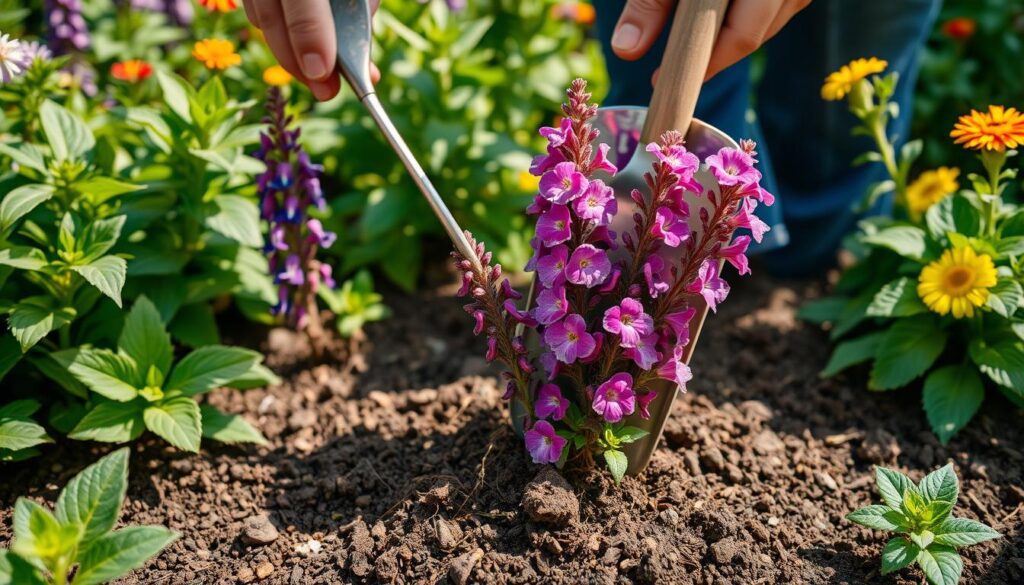
By following these tips, you can ensure a smooth transition for your salvias. This helps keep their root health strong. It prevents transplant shock and helps them grow well and live longer.
Winter Survival and Cold Damage Prevention
As winter approaches, protecting your Salvia plants becomes a priority. Tender Salvias are especially at risk from cold damage. This can cause them to die back or even die. To keep your Salvias alive through winter, it’s important to protect them from frost and cold.
Planting Salvias in the spring is a great way to prepare them for winter. This lets them grow strong before the cold hits. In very cold areas, extra protection is key. Mulching around the plants keeps the roots warm, and moving potted Salvias indoors can keep them safe from the cold.
Some Salvias need special care during winter. For example, some should be cut back in spring, not fall, to avoid damage. Knowing what your Salvia plants need helps you care for them better during winter.
| Salvia Variety | Cold Hardiness | Winter Care Tips |
|---|---|---|
| Color Spires® and Profusion Salvias | Very cold hardy, able to withstand temperatures down to Zone 3 (-40°F) | These plants can typically survive the winter without additional protection, returning every year. |
| Rockin’® Playin’ the Blues® Salvia | Most cold-hardy in the Rockin’ series, typically surviving winter in Zone 7 (0°F) | Overwintering this variety in Zone 8 is achievable with proper care and insulation. |
| Rockin’ and Unplugged Salvias | Grow like perennials in Zones 9-11, requiring only slight pruning during cooler months | These salvias can be moved indoors or protected with mulch in colder regions to increase their chances of survival. |
By understanding your Salvia plants’ needs and using the right winter care, they can make it through the cold season. With a bit of extra care, your Salvias will stay healthy and vibrant. They’ll keep your garden colorful and fragrant for many years.

Pest Management for Salvia Plants
Salvias are mostly pest-resistant, but sometimes they face issues like aphids. These small, green or white insects can harm leaves and stems. This can stunt growth and even kill the plant if not treated. To fight aphids, try washing plants with water, using insecticidal soaps, or introducing ladybugs.
Spider mites are another pest that can harm salvias. They cause yellow or brown spots on leaves, leading to death and stunted growth. To treat spider mites, spray the plant with insecticidal soap or a water and dish soap mix.
Whiteflies, related to aphids, can also trouble salvia plants. They cause yellow spots and dying leaves. Insecticidal soap is the best treatment for whiteflies, but it might need to be applied several times.
Fungal diseases like powdery mildew and botrytis blight can also hit salvias, especially in damp, crowded conditions. It’s crucial to catch these diseases early and treat them. Powdery mildew can be treated with a water and baking soda mix. Botrytis blight needs pruning and proper cleaning of tools and hands.
Regular checks and quick action are vital to stop pest infestations and disease outbreaks in salvias. By being alert and acting fast, you can keep your salvias healthy and vibrant.

Pruning and Maintenance Mistakes
Proper salvia pruning is key for healthy, vibrant plants. But, common pruning mistakes can cause issues like less flowering and stunted growth. Knowing the correct timing and techniques for pruning salvias is crucial for their success and beauty in your garden.
Timing is Everything
Timing is crucial when pruning salvias. For herbaceous salvias, prune in the spring when new growth starts. This helps the plant focus on growing lush foliage and lots of blooms. Shrubby salvias need selective pruning to remove dead or damaged stems.
Pruning salvias in the fall can harm them, making them vulnerable to cold damage. Avoid this mistake to help your salvias survive winter and bloom well next season.
Proper Pruning Techniques
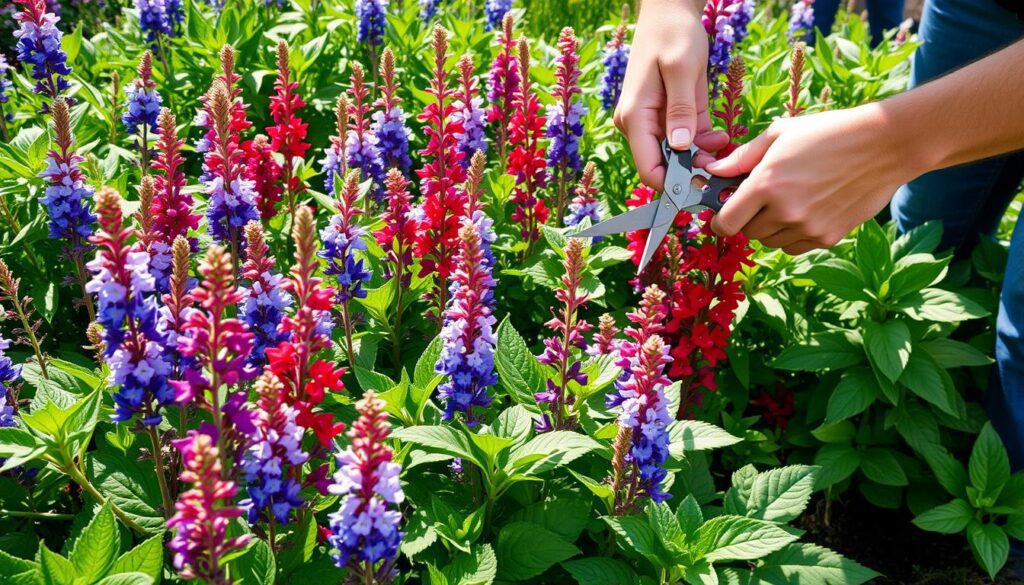
- Use sharp, clean pruning shears or loppers for clean cuts and less damage.
- Prune just above a leaf node, cutting at a slight angle to encourage new growth.
- Shape the plant by removing wayward or overgrown stems, keeping the desired size.
- Deadhead spent flowers often to encourage more blooms and new growth.
By following these salvia maintenance tips and avoiding common pruning mistakes, you can keep your salvias looking great. They’ll enjoy vibrant, long-lasting flowers season after season.
Light and Location-Related Issues
Getting the right amount of sunlight is key for your Salvia plants’ health. Most Salvia types love full sun and need 6-8 hours of direct sunlight a day. Without enough light, your Salvia ‘Black and Bloom’ might grow too tall, bloom less, and look weak.
Some Salvia types can handle partial shade, but they might not bloom as much and grow taller. For the best look, place your Salvias in a sunny spot. In very hot places, a little afternoon shade can prevent leaf burn and keep your plants healthy.
If your Salvias aren’t doing well, try moving them to a sunnier area. For indoor Salvia ‘Black and Bloom’, aim for 200-400 μmol/m²/s light. You can use energy-efficient LED grow lights or fluorescent grow lights for young plants.
| Salvia Sunlight Requirements | Ideal Light Conditions | Potential Issues |
|---|---|---|
| Full sun | 6-8 hours of direct sunlight daily | Optimal growth and flowering |
| Partial shade | 4-6 hours of filtered sunlight | Fewer flowers, leggy appearance |
| Indoor growth | 200-400 μmol/m²/s light intensity | Utilize LED or fluorescent grow lights |
Remember, proper plant location is crucial for your Salvia plants to thrive. They’ll show off their beautiful blooms all season long.

Soil and Nutrition Problems
Growing healthy salvia plants depends on good soil and nutrients. Salvias need well-draining soil with lots of organic matter. Many gardeners face issues like stunted growth and fewer flowers because of salvia soil requirements.
Nutrient deficiencies are a big problem. Salvias need a mix of nutrients to grow well. Without them, leaves may turn color, plants grow poorly, and flowers decrease. Adding compost or manure can fix this by enriching the soil.
Too much fertilizer is bad for salvias too. Too much nitrogen makes leaves grow but hurts flowers. Use the right amount of balanced fertilizer, like NPK 10-10-10, every 4-6 weeks.
Knowing what your salvias need can help them grow well. Watch your plants, add soil amendments, and fertilize carefully. This will keep your salvias happy and healthy.
For pest-related causes of salvia problems, use our common garden pests guide and spider mite guide. For broader control topics, visit the Pest Control hub.
Conclusion
Salvias are easy to grow, but knowing how to solve common problems is crucial. Give your Salvias the right care, like enough sunlight and good soil. Also, water them right and prune them on time. This way, most issues can be fixed before they start.
Watching your plants closely and acting fast when problems show up is key. This ensures your Salvias stay healthy and beautiful. They will add lasting beauty to your garden.
Salvias offer many benefits, from their beautiful flowers to their potential health perks. They are a great addition to any garden. With the right care, your Salvias will thrive and make your garden a vibrant place.
Success with Salvias comes from knowing their needs and tackling problems early. Stay informed and be proactive with your Salvia care. This way, your plants will stay healthy and add color and charm to your garden for years.
FAQ
What are the most common problems with Salvias?
Salvias often face issues like too much or too little water, pests, transplant shock, and diseases. They can also have leaf color problems and struggle to survive the winter.
How do I identify the cause of a problem with my Salvia plants?
First, look for signs of stress like wilting or yellow leaves. Check if they’re getting enough sunlight. Knowing what your Salvia needs can help you find the problem.
Why are my Salvia plants not blooming?
Salvias need 6-8 hours of sun a day to bloom well. Watering and pruning mistakes can also stop them from flowering.
What challenges do Salvias face when grown in containers versus garden beds?
Container Salvias may have trouble with water and soil. Garden bed Salvias face competition and drainage issues. Extreme weather can affect both.
How do I properly water my Salvia plants?
Salvias need the soil to dry between waterings. Adjust how often you water based on the weather and what your plants look like. Wrong watering can cause shock and brown tips.
What fungal diseases can affect Salvia plants?
Diseases like powdery mildew and root rot can harm Salvias. Prevent them by spacing plants well, ensuring air flow, and not overwatering. Treatments may include fungicides and removing sick parts.
What causes leaf discoloration in Salvias?
Discoloration can come from too much or too little water, sun damage, or transplant shock. Fix these by adjusting water, ensuring sun, and slowly getting plants used to new places.
How do I prevent and manage transplant shock in Salvias?
To avoid transplant shock, slowly get plants used to outdoor conditions before moving them. Use good soil and keep watering steady after moving. Good soil and not too much water help roots stay healthy.
How can I protect my Salvias from winter damage?
In cold areas, protect Salvias with mulch or bring potted plants inside. Some types need cutting back in spring to avoid winter damage.
What pests can affect Salvia plants, and how do I control them?
Aphids can harm Salvias. To fight them, wash plants with water, use insecticidal soaps, or introduce natural enemies. Catching pests early is key to stopping infestations.
How do I properly prune my Salvia plants?
Pruning is vital for healthy Salvias. Timing and method vary by type. Cut back herbaceous types in spring, but prune shrubby ones more carefully. Prune at the right time and avoid cutting too much.
What happens if my Salvias don’t get enough sunlight?
Without enough sun, Salvias grow weak, bloom less, and look bad. Move them to sunnier spots for better growth and flowers.
How do I ensure my Salvias have healthy soil?
Salvias need well-draining, organic-rich soil. Bad soil can stunt growth, reduce flowers, and make them sick. Improve soil with compost or manure, but don’t over-fertilize.