

The first cold night of fall does not threaten every plant equally. The smartest approach is to identify the plants to protect before first frost, act on the tender ones first, and avoid wasting time wrapping plants that are naturally built to handle cold.
Warm-season vegetables, annual flowers, tropical plants, tender herbs, houseplants that spent summer outdoors, and vulnerable container plants deserve priority. Hardy perennials and established woody plants usually need far less emergency protection from a light early frost.
This guide shows what to move, cover, harvest, or leave alone before temperatures drop. It fits into our larger October gardening guide and follows our what to plant in October seasonal plan.
Plants to Protect Before First Frost: Quick Priority List
| Priority | Plant Group | Best Action |
|---|---|---|
| Highest | Tropical and subtropical plants | Move indoors or to a frost-free shelter |
| Highest | Tomatoes, peppers, basil, cucumbers, beans | Harvest ripe produce and cover remaining plants |
| Highest | Houseplants that spent summer outdoors | Inspect for pests and bring indoors |
| High | Tender annual flowers | Cover overnight or move containers |
| High | Tender container plants | Move to shelter; roots in pots chill quickly |
| Medium | Newly planted tender specimens | Mulch roots and cover top growth if needed |
| Usually Low | Established hardy perennials and shrubs | Often leave uncovered unless unusually tender for your zone |
First Frost vs. Freeze: Why the Difference Matters
A first frost can form on plant surfaces even when the official air temperature is slightly above 32°F. A freeze occurs when plant tissues themselves fall below freezing, causing water inside cells to freeze and damage tissue.
That distinction matters because a brief light frost may only damage the most tender leaves and flowers, while a harder or prolonged freeze can kill entire warm-season plants. Wind, cloud cover, humidity, elevation, walls, trees, and low spots in the landscape can all change what actually happens in your garden.
Start watching the forecast when overnight lows move into the mid-30s°F, and compare that forecast with your local first frost date. That gives you time to decide which plants need protection before the coldest part of the night.
1. Tomatoes
Tomatoes are among the first vegetables to protect when a cold night is forecast. Even a light frost can damage leaves and fruit, and a hard freeze usually ends the plant.
Harvest ripe tomatoes before the cold arrives. Mature green tomatoes can also be picked and allowed to ripen indoors. If warmer weather is expected after a single cold night, covering the plant can extend the harvest.
2. Peppers

Peppers are highly sensitive to frost. If your forecast shows a cold snap followed by warmer weather, cover plants overnight or harvest mature peppers before temperatures fall.
Potted peppers can be moved into a garage, porch, greenhouse, or indoor location for the night. In-ground plants are better protected with frost cloth or another breathable cover.
3. Basil and Other Tender Herbs
Basil can collapse after a single cold night. Harvest leaves aggressively before frost, or move potted basil indoors if you want to extend the plant’s life.
Other tender herbs may also need protection depending on climate. By contrast, many established cool-season or woody herbs handle low temperatures better, so do not treat every herb the same.
4. Cucumbers, Beans, Squash, and Other Warm-Season Vegetables
Cucumbers, green beans, summer squash, melons, and similar warm-season crops are not built for frost. If plants are still producing, harvest what is ready before the cold arrives.
A cover may save plants through a brief early frost, but once repeated freezes become normal, trying to preserve exhausted warm-season vines is rarely worthwhile.
5. Tropical and Subtropical Plants

Tropical plants are among the most important plants to protect before first frost. Bananas, bird of paradise, tropical hibiscus, bougainvillea, tender ferns, and similar plants can suffer cold injury long before a hardy shrub would be affected.
If the plant is in a container, moving it is usually more reliable than covering it outdoors. Large plants that cannot be moved may need frost cloth, wind protection, and root-zone mulch depending on their hardiness and your climate.
6. Houseplants That Spent Summer Outdoors

Pothos, philodendrons, monstera, many ferns, bromeliads, and other common houseplants should come indoors well before frost. Do not wait until the last minute if nighttime temperatures are already becoming cool.
Before you bring plants indoors, inspect leaves, stems, soil surfaces, drainage holes, and pot rims for insects or egg masses. Quarantine suspicious plants so outdoor pests are not introduced to the rest of your indoor collection.
Our winter houseplant watering guide can help after plants return indoors and growth slows.
7. Tender Annual Flowers
Coleus, begonias, impatiens, zinnias, marigolds, and other tender annuals may be damaged or killed by frost. If you want a few more weeks of flowers after an isolated cold night, cover them in place.
For annuals nearing the natural end of their season, it may be more useful to collect seed, take cuttings from special plants, or remove them after frost rather than repeatedly covering them every night.
8. Tender Container Plants
Container plants deserve extra attention because roots in pots are more exposed to cold air than roots insulated by garden soil. Smaller containers cool especially quickly.
Move pots against a protected wall, under a porch, into a garage, or indoors if the plant is tender. Grouping containers together can reduce exposure, but it does not make tropical plants frost-hardy.
9. Citrus and Other Tender Fruit Plants
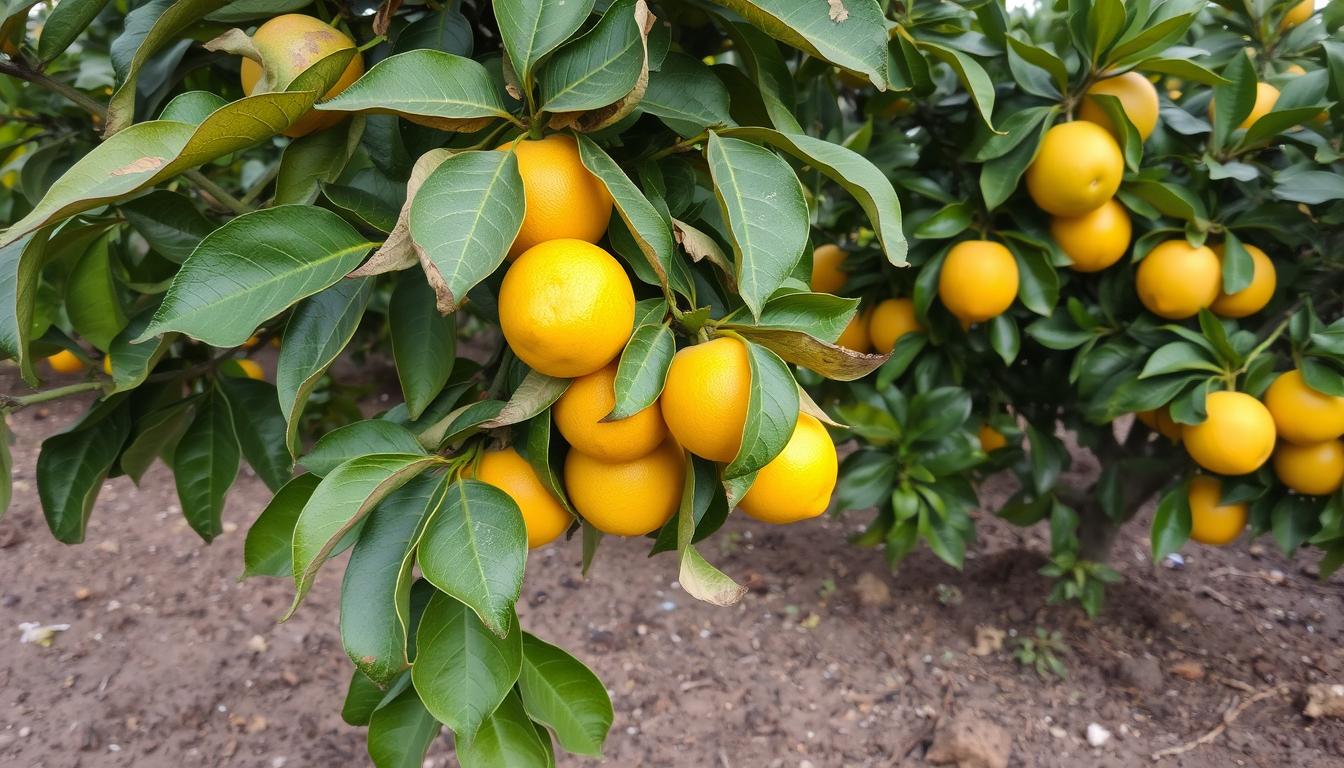
Citrus hardiness varies widely by species, cultivar, rootstock, plant age, and duration of cold. Container citrus is particularly easy to protect by moving it into a bright, frost-free location.
Young trees are generally more vulnerable than established mature trees. If your citrus is marginal for your USDA zone, prepare protection before the cold night rather than improvising after temperatures have already dropped.
10. Tender Bulbs, Corms, and Rhizomes
Dahlias, cannas, caladiums, elephant ears, and gladiolus may need to be lifted and stored in climates where the underground parts cannot survive winter.
The correct timing differs by plant. Some are lifted after foliage is blackened by frost, while others are moved before significant cold. Treat this as overwintering preparation rather than a one-night frost-covering job.
11. Newly Planted Tender Plants
Plants that were recently transplanted have smaller, less established root systems and may be more vulnerable to sudden cold, drying wind, and soil temperature swings.
Water appropriately before the cold event if the soil is dry, add a suitable mulch layer around the root zone, and use a cover when the species is frost-sensitive. Keep mulch away from stems and trunks.
12. Seedlings and Late Fall Transplants
Young seedlings often have less stored energy and thinner tissues than mature plants. Late-planted lettuce, brassicas, flowers, herbs, and other transplants should be judged by their actual cold tolerance.
Cool-season vegetables such as kale, spinach, carrots, radishes, and many brassicas can tolerate more cold than tomatoes or peppers. Protecting every seedling indiscriminately is unnecessary; focus on tender species and recently transplanted plants.
How to Protect Plants From Frost

Use Frost Cloth, Sheets, or Blankets
If you need to cover plants for frost, breathable covers can trap some of the heat released from the ground during a brief cold event. Drape the cover over the plant and extend it to the soil rather than wrapping only the foliage.
When possible, use stakes or hoops so heavy material does not crush delicate leaves. Remove covers the next day after temperatures rise above freezing so plants receive light and do not overheat.
Move Containers Indoors
For potted tropicals, houseplants, tender herbs, and valuable container specimens, moving them into shelter is often more reliable than trying to insulate the pot outdoors.
Water Dry Soil Before a Frost
If the soil is dry, watering before an expected radiation frost can help because moist soil stores and releases heat better than very dry soil. Do not flood already wet beds, and do not confuse this with spraying leaves casually during freezing weather.
Use Mulch for Root Protection
Mulch is more useful for moderating soil temperature and protecting roots than for keeping tender leaves frost-free. Shredded leaves, straw, or other suitable organic mulch can reduce rapid temperature swings around perennial root systems.
What Not to Use for Frost Protection
Do not lay thin plastic directly on foliage. Plastic touching leaves can transmit cold and may create damage where it contacts plant tissue. If plastic is used as a rain or wind barrier, support it above the plant and use a breathable inner layer.
Do not leave covers sealed over plants during a sunny day. The space underneath can warm rapidly.
Do not assume one cover can protect a tropical plant through a severe freeze. Frost protection methods have limits, especially when temperatures stay well below freezing for hours.
Plants You Usually Do Not Need to Cover for a Light Fall Frost
Established hardy perennials, cold-hardy shrubs, most dormant woody plants, and many cool-season vegetables do not need emergency covering for every light frost. Cold exposure is part of the normal seasonal cycle for hardy plants.
Kale, spinach, carrots, collards, Brussels sprouts, onions, and other cool-season crops often tolerate light frost far better than warm-season vegetables. Exact tolerance still varies by cultivar, plant condition, wind, and duration of cold.
Night-Before-First-Frost Checklist
- Check the hourly low, not just the daily forecast.
- Harvest tomatoes, peppers, cucumbers, beans, and other tender produce.
- Move tropicals and houseplants into a protected location.
- Move small tender containers against a protected wall or indoors.
- Cover tender in-ground vegetables and annual flowers before evening temperatures fall.
- Water dry soil earlier in the day where appropriate.
- Secure covers so wind cannot lift them.
- Remove or open covers after temperatures rise the next morning.
Frequently Asked Questions
What plants should I protect from the first frost?
Prioritize tropical plants, houseplants outdoors for summer, tomatoes, peppers, basil, cucumbers, beans, squash, tender annual flowers, tender container plants, and sensitive young transplants.
At what temperature should I cover plants?
Start preparing when overnight lows are forecast in the mid-30s°F, especially for tender species. Frost can occur even when the official air temperature is slightly above freezing because plant surfaces can cool more than the surrounding air.
Can I use a bed sheet to protect plants from frost?
Yes. Sheets, blankets, frost cloth, and row covers can provide protection during a light frost by trapping heat released from the soil. Extend the cover to ground level and remove it after the cold passes.
Should I water plants before a frost?
If the soil is dry, watering before a frost can help the soil store more heat. Avoid overwatering already wet soil and do not rely on watering alone to save highly frost-sensitive plants.
Should I cover hardy perennials?
Usually not for a normal light fall frost. Established hardy perennials are adapted to seasonal cold. Newly planted, unusually tender, or marginally hardy plants may need extra protection.
Do containers need more frost protection?
Yes. Container roots are exposed to cold from all sides and can cool faster than roots in the ground. Moving tender pots into shelter is one of the most effective frost-protection steps.
Final First-Frost Rule
The key to choosing plants to protect before first frost is to prioritize plants that cannot naturally tolerate cold. Move tropicals and houseplants, harvest warm-season vegetables, protect tender annuals and young plants, and use frost cloth or row covers when a brief cold event is followed by more growing weather.
For an authoritative explanation of frost versus freeze, which plants need protection, and how covers work, use the Iowa State University Extension frost and freeze protection guide.