

Are you drawn to the bright, trumpet-shaped flowers of Mexican Heather? This adaptable shrub can brighten your garden with its stunning blooms and attract pollinators. But how do you make sure your Mexican Heather grows well? In this detailed guide, we’ll share the secrets to growing and caring for this beautiful plant in your garden.
Key Takeaways
- Mexican Heather, also known as false heather or elfin herb, is a small shrub with colorful, trumpet-shaped flowers.
- This warm-weather plant thrives in full sunlight and prefers moist but well-draining soil.
- Mexican Heather tolerates high heat and humidity, making it an ideal choice for warmer regions.
- It can be grown as an annual or perennial, depending on your climate.
- Proper care and attention to watering, fertilizing, and pruning will ensure your Mexican Heather flourishes.
What is Mexican Heather?
Mexican heather, also known as Cuphea hyssopifolia, is a small, charming perennial shrub. It’s part of the Lythraceae family. Even though it’s called Mexican heather, it’s not a true heather. Instead, it’s often called “false heather” or “elfin herb” because it looks similar.
This plant has delicate, true-green branches with tiny, pointed leaves. It also has lots of tiny purple, pink, or white flowers. These flowers bloom from spring to frost.
Common and Botanical Names
This plant is known by many names, including Mexican heather, false heather, and elfin herb. Its botanical name, Cuphea hyssopifolia, shows it’s in the Cuphea genus. It looks like hyssop plants.
Plant Type and Characteristics
- Mexican heather is a perennial shrub that grows 12 inches tall and wide.
- It’s in the Lythraceae family, which also includes crape myrtles and loosestrife.
- The leaves are dense and true-green, with small, pointed shapes on the stems.
- From spring to frost, it blooms with tiny, tubular flowers in purple, pink, or white.
“Mexican heather is a versatile and long-blooming plant that adds a delicate, colorful touch to any garden.”
Mexican Heather Planting and Location
Choosing the right spot for Mexican heather is key. This vibrant perennial loves areas with at least 6 hours of direct sunlight. It’s perfect for gardens, borders, and landscapes that get lots of sun.
Choosing the Right Spot
Mexican heather does best in well-drained, slightly acidic soil. The pH should be between 5.5 and 7. If your soil is too alkaline, adding compost or peat moss can help. This keeps the leaves from turning yellow.
The plant also needs moist, well-draining conditions. It can’t handle wet feet, so make sure the planting site drains well.
Soil Requirements
- Mexican heather grows 1.5 to 2 feet high and can spread up to 2.5 feet wide.
- The plant needs 4 to 8 hours of direct sunlight per day and can tolerate partial shade.
- It is winter hardy in Zones 9 to 11 and can withstand Florida’s summer heat, making it a drought-tolerant choice.
By carefully choosing the planting location and soil requirements for Mexican heather, you can make sure it thrives. It will add vibrant color and texture to your garden for years.
Caring for Mexican Heather
Proper care is key to a thriving Mexican heather. It needs the right watering and fertilization to bloom well. Whether in a garden or a container, knowing these basics is crucial.
Watering Needs
Mexican heather needs water about once a week. Let the soil dry a bit before watering again. Plants in containers might need more water, especially when it’s hot.
Check the soil often. Adjust your watering to avoid too much or too little water.
Fertilizing Schedule
Feed your Mexican heather with a balanced fertilizer every few waterings. This supports its growth and blooms. But, don’t overdo it. Too much fertilizer can make it grow too much foliage and fewer flowers.
| Characteristic | Recommendation |
|---|---|
| Watering Frequency | Once a week, allowing soil to partially dry out between waterings |
| Watering for Container-Grown Plants | More frequent watering, especially during hot, dry weather |
| Fertilizer Type | Balanced, general-purpose fertilizer |
| Fertilizing Schedule | Every few waterings during the growing season |
By following these tips, your Mexican heather will thrive. It will reward you with beautiful, long-lasting blooms all season.
Mexican Heather Temperature and Hardiness
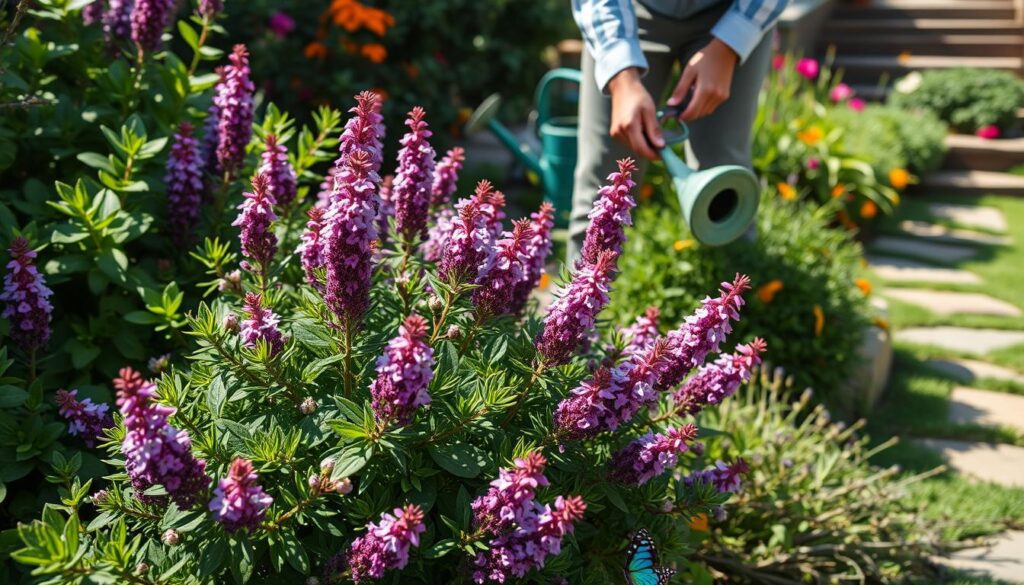
Understanding the temperature and hardiness needs of Mexican heather is key to growing it well. This plant loves warm, tropical weather best. It does best in temperatures between 65°F and 80°F. But, it can handle even warmer temperatures, up to the high 80s, without too much trouble.
Mexican heather grows well in USDA Hardiness Zones 9-11. These zones have temperatures that rarely go below 35°F. In colder areas, it’s best to grow it as an annual since it can’t handle freezing. If you live in a mild winter, mulching around the plant can protect its roots.
This plant needs humidity around 50% to thrive. Too little humidity can cause leaves to curl and tips to dry out. Too much humidity, on the other hand, can lead to diseases and root rot. Keeping the right humidity and temperature is crucial for a healthy Mexican heather.
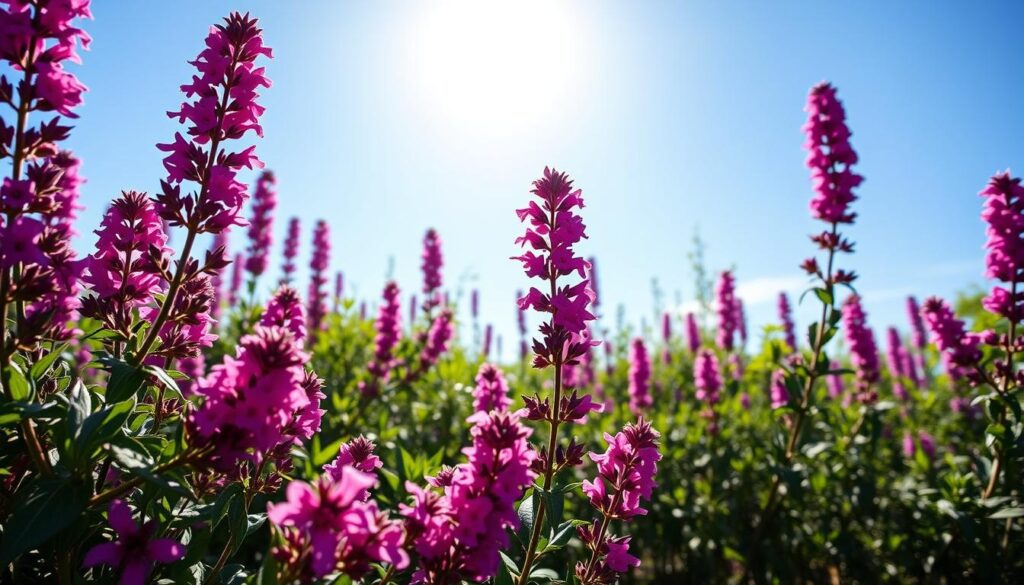
Even though it prefers warm weather, Mexican heather can handle some shade. It might not bloom as much in shade as it does in full sun. Still, its bright flowers and easy care make it a wonderful choice for gardens in the right climate zones.
Pruning Mexican Heather
Proper Mexican heather care guidance keeps it bushy and encourages more blooms. While it’s not essential, a light trim in early spring is helpful.
To prune, use sharp shears and cut just above leaf nodes. This method, called progressive pruning, involves regular trimming and removing dead parts. It helps keep the plant compact, around one foot tall.
- Prune Mexican heather year-round to keep it in shape
- Use clean, sharp pruning shears for clean cuts above leaf nodes
- Regularly clip back the plant and remove dead growth
- Maintain a compact, bushy growth habit with a height of around one foot
Mexican heather can be pruned all year to keep it looking good. It’s easy to care for and responds well to light pruning.
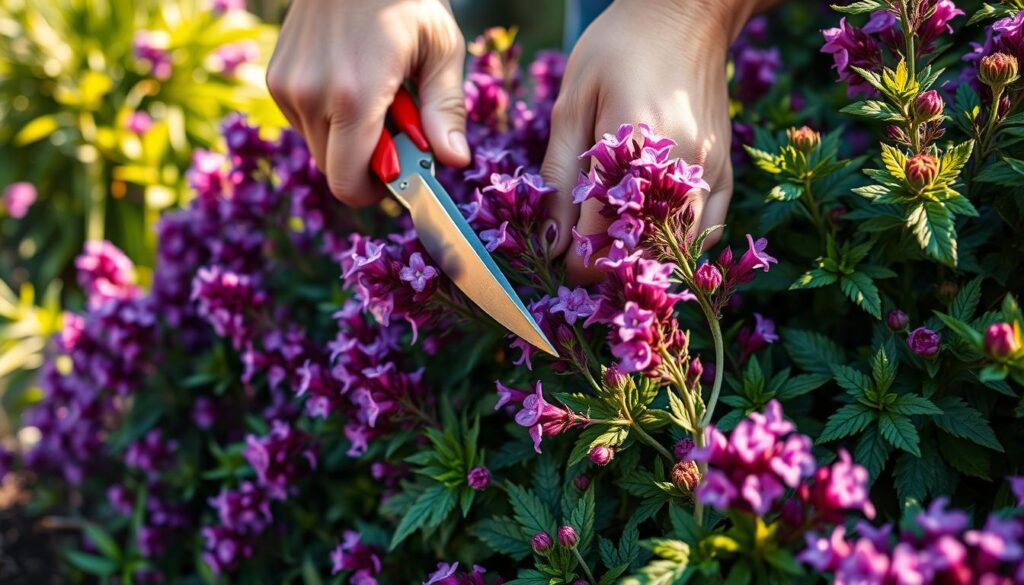
“Progressive pruning is recommended for Mexican heather, involving regular clipping back and removal of dead growth.”
Mexican Heather Varieties
The classic Mexican heather (Cuphea hyssopifolia) is known for its lovely purple blooms. But, there are many other varieties with different flower colors. You can find vibrant white to deep magenta to match your garden.
Popular Cultivars
- FloriGlory™ Corazon – This variety showcases light violet-purple flowers that bloom in abundance throughout the growing season.
- Mexican Heather White – As the name suggests, this cultivar features bright white blooms that create a crisp, clean look in the garden.
- FloriGlory Diana – Characterized by large, magenta-colored flowers, this Mexican heather cultivar is a stunning addition to any outdoor space.
Despite their different colors, Mexican heather varieties share some key traits. They grow to about 24 inches tall and wide, and live for around 10 years. They do well in full sun to partial shade and can handle city pollution, making them great for many gardens.
| Cultivar | Flower Color | Height | Spread |
|---|---|---|---|
| FloriGlory™ Corazon | Light Violet-Purple | 24 inches | 24 inches |
| Mexican Heather White | White | 24 inches | 24 inches |
| FloriGlory Diana | Magenta | 24 inches | 24 inches |
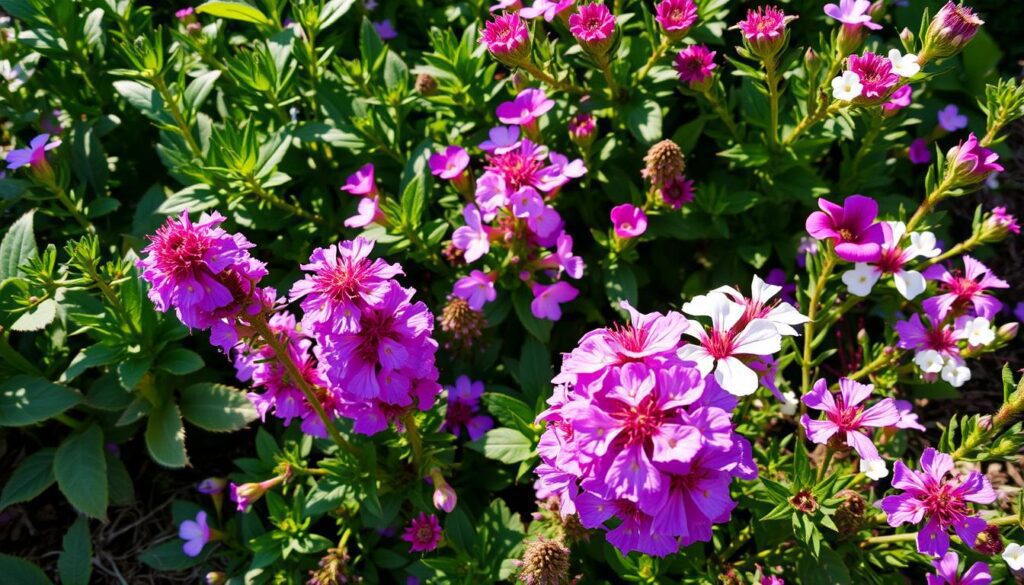
Whether you love the classic purple or prefer the unique white or magenta, Mexican heather is vibrant and versatile. With the right care, these flowers can brighten your garden for years. They’re a beautiful and easy-to-care-for addition to your outdoor space.
Propagating Mexican Heather
Growing Mexican heather (Cuphea hyssopifolia) from cuttings or seeds is rewarding. It adds vibrant color and texture to your garden. By propagating this versatile plant, you can multiply it easily. This way, you can share it with friends or grow more in your garden.
From Cuttings
Stem cuttings are a quick way to grow Mexican heather. They’re perfect for those who want fast results. The best time for cuttings is in the spring, when the plant is growing well.
Take a 4-6 inch stem cutting, remove the lower leaves, and plant it in a well-draining soil mix. Use rooting hormone to help roots grow. Keep the soil moist and the environment humid with temperatures between 70-75°F until the cutting has strong roots.
From Seeds
Mexican heather can also be grown from seed. Soak the seeds in warm water for a few hours before sowing them on the soil surface and lightly covering them. Keep the soil moist until germination, which can take several months. Seed propagation is slower but can offer a variety of plant traits.
| Propagation Method | Timing | Advantages |
|---|---|---|
| Stem Cuttings | Spring | Faster results, more control over plant traits |
| Seeds | Anytime | Wider genetic diversity, more cost-effective |
For successful rooting and growth, use well-draining soil and keep it moist. The right temperature and humidity are also key for your Mexican heather plants.
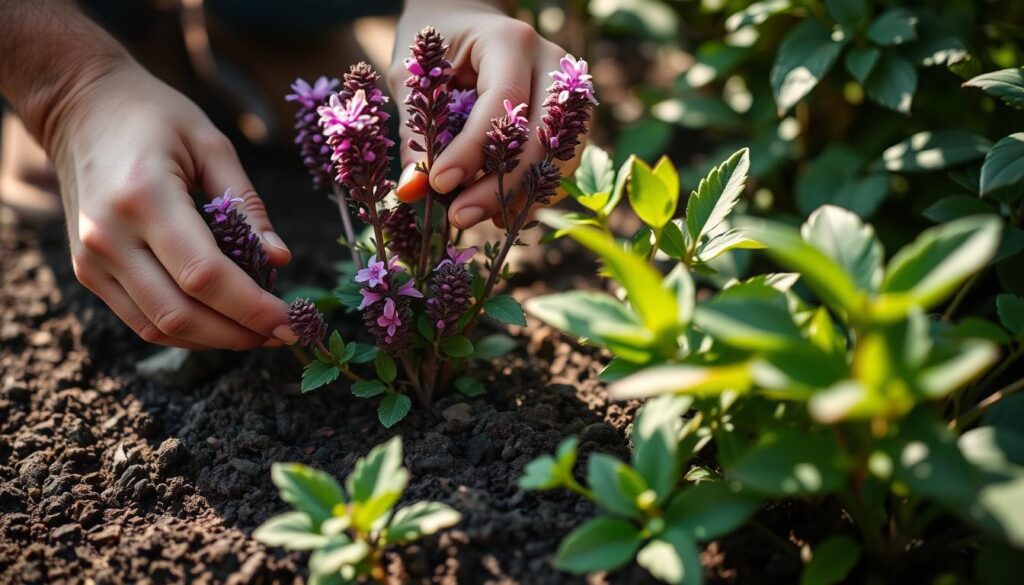
“Propagating Mexican heather is a rewarding way to expand your garden’s vibrant color and texture.”
Mexican Heather Pests and Diseases
Mexican heather is easy to care for, but it can still face pests and diseases. Knowing about these issues helps keep your plant healthy.
Pests Affecting Mexican Heather
Mites are a common pest for Mexican heather. These tiny bugs can make the leaves turn yellow and wilt. Scale insects, which are small and have shells, can also infest the plants.
Japanese beetles can also harm Mexican heather. These beetles are about half an inch long and can eat a lot of leaves. A flea beetle can quickly remove leaves from the plant too.
Diseases Impacting Mexican Heather
- Heather root rot fungus can produce brownish-blackish rhizomorphs that surface through the soil, threatening the plant’s health.
- Rust disease causes orange powdery spots to appear on the leaves of Mexican heather.
Despite these issues, Mexican heather is mostly pest and disease-free. It’s a low-maintenance plant for gardens.
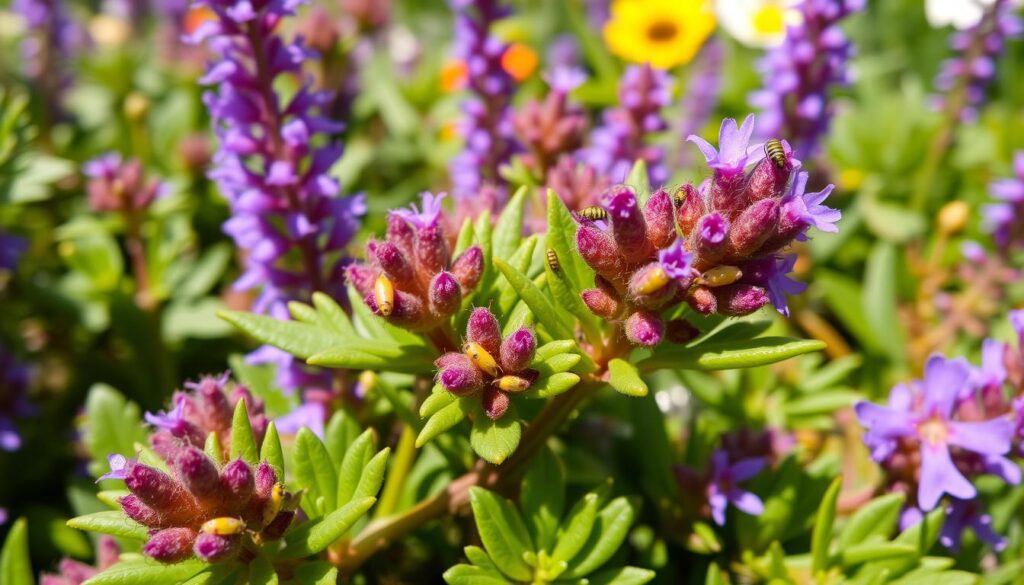
To keep your Mexican heather healthy, watch for pests or diseases. Use organic pest control or fungicides if needed. Also, make sure it has well-draining soil and partial shade.
Encouraging Blooms on Mexican Heather
The Mexican heather is a vibrant and hardy plant known for its abundant blooms. These flowers can brighten your garden all season long. To make sure your Mexican heather blooms well, consider a few important factors.
First, give your Mexican heather the right growing conditions. It loves well-draining, nutrient-rich soil and full sun. Make sure it gets at least 6-8 hours of direct sunlight each day. Placing it in a sunny spot can really help it bloom more.
Also, a balanced fertilization schedule is key. Use a slow-release, acidic fertilizer at the start of the growing season. This supports the plant’s needs and encourages colorful flowers.
Pruning your Mexican heather is another great way to encourage blooms. Lightly trim it in early spring. This will help it grow fuller and bloom more throughout the season.
Finally, watch out for environmental stressors that might stop your Mexican heather from blooming. Keep it consistently watered, avoid extreme temperatures, and protect it from pests and diseases. These steps will help it stay healthy and bloom well.
By following these tips, you can create the perfect conditions for your Mexican heather. It will thrive and reward you with vibrant, long-lasting blooms.
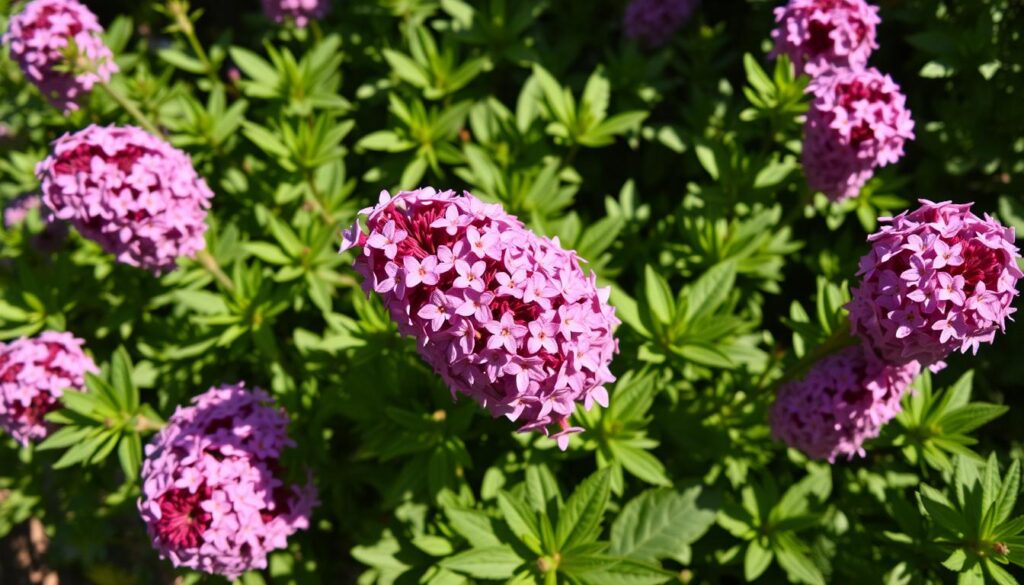
| Key Factors for Encouraging Mexican Heather Blooms | Description |
|---|---|
| Sunlight Exposure | Provide at least 6-8 hours of direct sunlight per day |
| Soil Conditions | Well-draining, nutrient-rich soil with good drainage |
| Fertilization | Apply a slow-release, acidic fertilizer at the start of the season |
| Pruning | Lightly trim the plant in early spring to encourage bushier growth and more blooms |
| Environmental Factors | Maintain consistent watering, protect from pests and diseases, and avoid extreme temperature fluctuations |
“Mexican-Heather blooms are considered a symbol of health and heritage in gardening, and their vibrant flowers are highly valued in Mexican culture as emblems of good fortune and prosperity.”
Mexican Heather as a Pollinator Attractor
Mexican heather’s flowers attract bees, butterflies, hummingbirds, and moths. These flowers bloom from spring to frost, offering nectar to garden visitors. Adding Mexican heather to your garden can increase pollinators and improve fruit and vegetable yields.
Bees love blue, purple, yellow, or bright white flowers. They also prefer flowers with ultraviolet patterns. Butterflies are drawn to bright red or purple-blue flowers. Hummingbirds like bright red or orange tubular-shaped blooms.
Mexican heather’s flowers match these preferences. The Allyson variety grows 12-18 inches tall and 16-18 inches wide. It’s perfect for mass bedding, mixed borders, or as a patio specimen.
| Pollinator | Preferred Flower Characteristics |
|---|---|
| Bees | Blue, purple, yellow, or bright white flowers; flowers with ultraviolet patterns that contrast |
| Butterflies | Bright red or purple-blue flowers |
| Hummingbirds | Bright red or orange tubular-shaped flowers |
Planting Mexican heather in your garden creates a vibrant oasis. It adds beauty and supports the vital role of insects and birds in the ecosystem.
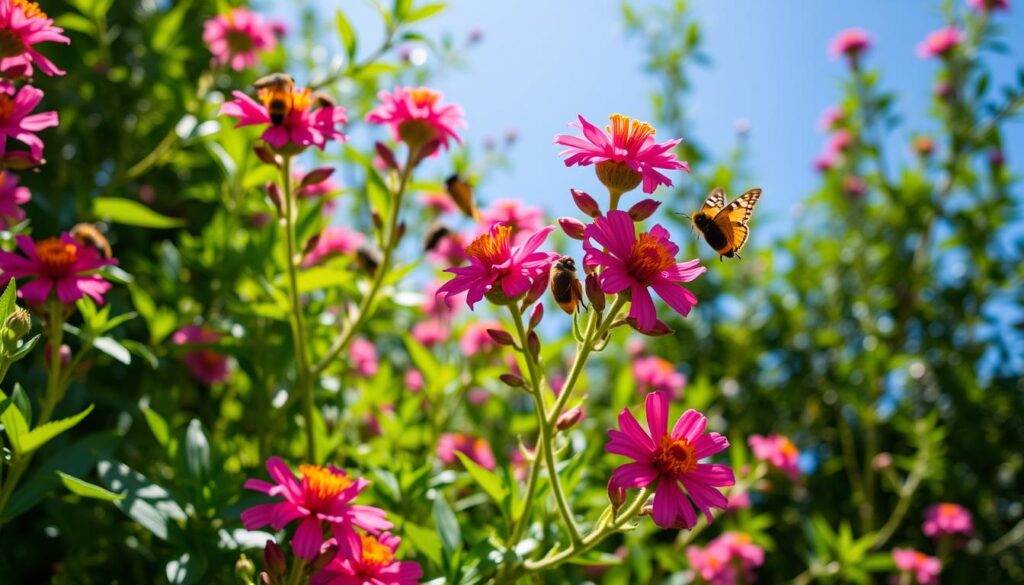
“Bees are the most important pollinators for many flowering plants, including Mexican heather. By attracting these essential insects, gardeners can help boost pollinator populations and improve the overall health of their gardens.”
Benefits of Growing Mexican Heather
Growing Mexican heather in your garden brings many benefits. It’s not just about its beautiful flowers and attracting pollinators. This plant is tough and doesn’t need much care, perfect for hot, sunny spots. It’s also great for filling in gaps in your garden, whether it’s as a groundcover or in containers.
Mexican heather is very good at handling drought. Once it’s settled, it needs very little water. This saves water and keeps your garden looking good. It’s also strong against pests and diseases, which means less work for you.

Mexican heather is not just useful; it’s also beautiful and good for the environment. Its flowers bloom for a long time, adding color to your garden. It also helps bees, butterflies, and hummingbirds, supporting local wildlife.
If you want a plant that’s easy to care for but makes a big impact, choose Mexican heather. It’s tough, looks great, and adds value to your garden in many ways.
| Benefits of Mexican Heather |
|---|
| Drought-tolerant and low-maintenance |
| Resistant to pests and diseases |
| Vibrant, long-lasting blooms |
| Attracts pollinators like bees and butterflies |
| Versatile for use as groundcover, border, and container plant |
| Symbolic of love, good fortune, and celebration |
| Therapeutic benefits for mental well-being |
Whether you’re new to gardening or have been doing it for years, Mexican heather is a great choice. It’s practical and beautiful, making it a standout in any garden.
Mexican Heather in Containers
If you have limited garden space, don’t worry – Mexican heather grows well in containers. It’s perfect for patio, balcony, or deck gardens. With the right care, your Mexican heather will add vibrant color to your outdoor space.
For container growing, choose a well-draining potting mix. Make sure your pot has enough holes for drainage. This prevents waterlogged soil and root rot. Water your Mexican heather more often since pot soil dries out quicker.
Give your Mexican heather 4-6 hours of direct sunlight daily. If it’s cold, bring it indoors or to a protected spot during winter. This keeps it safe from cold damage.
With proper care, your Mexican heather will bloom with blue, purple, or white flowers. Enjoy its beauty on your patio, balcony, or deck from spring to fall.
Overwintering Mexican Heather
Caring for Mexican heather in winter is key. This plant can’t handle freezing temperatures. In warm places, mulch protects the roots in mild winters. But in cold areas, it’s grown as an annual, needing new plants every spring.
To keep potted Mexican heather alive, bring it indoors. Place it in a sunny spot, like a south-facing window. This keeps the plants green and colorful all winter.
In harsh winters, extra care is needed for overwintering Mexican heather. Insulate the roots with mulch or leaves to keep the soil from freezing. Also, use a lightweight fabric or burlap to cover the plants.
Check your Mexican heather often during winter. Remove dead parts and keep the soil moist but not soggy. With proper care, your Mexican heather can flourish for many years, even in cold climates.
Mexican Heather Frequently Asked Questions
Thinking about adding Mexican heather to your garden? You might have some questions. This section covers the most common ones about this lively and flexible plant.
Is Mexican Heather Toxic?
Mexican heather is not toxic to humans. But, it’s harmful to pets like dogs and cats. So, keep it away from your furry friends.
Can Mexican Heather Survive the Winter?
In some places, Mexican heather might not make it through winter. It can come back from the roots in mild winters, but it’s not a sure thing. In colder areas, treat it as a summer annual and replant every spring.
What Pests or Diseases Affect Mexican Heather?
Mexican heather is usually tough against pests and diseases. But, it can get powdery mildew, aphids, or spider mites if it’s not happy. Good care, like enough sunlight and air, can help avoid these problems.
How Do I Encourage Blooms on Mexican Heather?
To get your Mexican heather to bloom more, give it 6 hours of direct sunlight daily. Also, fertilize it regularly with a balanced, water-soluble fertilizer. This will help it flower all season long.
Is Mexican Heather Suitable for Containers?
Yes! Mexican heather loves containers and is great for patio gardens, balconies, and entryways. Pick a pot with drainage and use a mix that drains well for the best results.
By answering these common questions, you’ll feel more ready to grow and care for Mexican heather in your garden. With the right care, this colorful plant can brighten up any outdoor area.
For more flowering-shrub options, compare Mexican Heather with our Mexican sage guide and orange flowering shrubs. For the broader topic, visit the shrubs hub.
Conclusion
Mexican heather is a versatile and easy-to-care-for plant. It adds vibrant color and attracts pollinators to your garden. It grows well in warm, sunny spots and is great for borders, containers, and groundcover.
This guide has covered Mexican heather’s unique traits, care needs, and uses. It’s perfect for Southwest gardens. With the right care, it blooms continuously from spring to fall.
Mexican heather is perfect for any gardener, whether you’re new or experienced. It brings vibrant color and low-maintenance care to your garden. Adding it will make your outdoor space beautiful and beneficial for pollinators.
Source: For evidence-based guidance, see NC State Extension’s Mexican heather guide.
FAQ
What is Mexican heather?
Mexican heather, also known as false heather or elfin herb, is a small shrub. It has trumpet-shaped, colorful flowers that attract pollinators. It loves full sunlight and moist, well-draining soil.
What are the common and botanical names of Mexican heather?
Known botanically as Cuphea hyssopifolia, Mexican heather is a small perennial shrub. It’s part of the Lythraceae family. People also call it false heather or elfin herb because it looks like true heathers, but they’re not related.
What are the planting and location requirements for Mexican heather?
Mexican heather needs a sunny spot with at least 6 hours of direct sunlight daily. It grows best in well-drained soil that’s slightly acidic, with a pH between 5.5 and 7. Adding compost or peat moss can adjust the pH.
How do I care for Mexican heather?
Water Mexican heather regularly, about once a week. Let the soil dry out a bit between waterings. Feed it with a balanced fertilizer every few waterings during the growing season. This encourages blooms and healthy growth.
What are the temperature and hardiness requirements for Mexican heather?
Mexican heather thrives in USDA Hardiness Zones 9-11. It loves warm climates with temperatures above 55°F. It can handle high heat and humidity but can’t stand frost or freezing.
How do I prune Mexican heather?
Pruning Mexican heather is optional but helps keep it bushy. Trim it lightly in early spring. Use sharp pruning shears to make clean cuts just above leaf nodes.
What are some popular varieties of Mexican heather?
Popular varieties include ‘FloriGlory™ Corazon’ with light violet-purple flowers. ‘Mexican Heather White’ has bright white blooms. ‘FloriGlory Diana’ features large magenta flowers.
How do I propagate Mexican heather?
You can propagate Mexican heather through stem cuttings or seed. For cuttings, take a 4-6 inch stem, remove lower leaves, and plant in moist soil. For seed, soak seeds in warm water before sowing on the soil surface.
What pests or diseases affect Mexican heather?
Mexican heather may face nematodes, mites, and caterpillars. Insecticidal soap can control these pests. Good drainage and airflow help prevent problems.
How can I encourage more blooms on my Mexican heather?
For more blooms, ensure the soil is nutrient-rich or fertilize regularly. Full sun boosts flowering. Deadheading is not needed to encourage more blooms.
What benefits does Mexican heather offer for pollinators?
Mexican heather’s flowers attract bees, butterflies, hummingbirds, and moths. Its blooms from spring to frost offer nectar for these important visitors.
What other benefits does Mexican heather provide?
Mexican heather is low-maintenance and drought-tolerant. It thrives in hot, sunny spots. It’s great as a groundcover or border plant.
Can Mexican heather be grown in containers?
Yes, Mexican heather does well in containers. It’s perfect for patio, balcony, or deck gardens. Use a well-draining potting mix and water more often.
How do I overwinter Mexican heather?
Mexican heather can’t handle frost or freezing. In warm climates, mulch protects the roots in mild winters. In colder areas, it’s grown as an annual. Potted plants can be brought indoors to overwinter.