

If you want bigger, better-formed garlic bulbs next summer, fall is the season to start. Learning how to plant garlic in fall comes down to five things: choosing healthy seed garlic, planting at the right time, setting each clove at the correct depth and spacing, using well-drained soil, and protecting the bed through winter.
Garlic needs a period of cold weather to develop properly, which is why fall planting works so well across much of the United States. In many regions, cloves are planted several weeks before the ground freezes so roots can establish before winter dormancy. If you are building your October garden plan, this guide connects directly with our what to plant in October guide and our broader October gardening guide.
How to Plant Garlic in Fall: Quick Steps
- Choose healthy seed garlic adapted to your climate.
- Wait until cool fall weather arrives but before the ground freezes.
- Separate the bulb into individual garlic cloves shortly before planting.
- Plant each clove with the pointed end up and root plate down.
- Set cloves about 2 inches deep in most home gardens, adjusting for local soil and climate.
- Allow roughly 4 to 6 inches for garlic clove spacing.
- Use loose, fertile, well-drained soil.
- Water after planting, then add mulch where winter conditions call for it.
When to Plant Garlic in Fall
The best answer to when to plant garlic is not one national calendar date. The goal is to plant late enough that warm weather does not trigger too much top growth, but early enough for roots to establish before hard winter conditions arrive.
Across many cold and temperate regions, planting garlic in fall usually means planting in October or early November. In warmer zones, the window may shift later. Local frost patterns, soil temperature, elevation, and winter severity all matter more than the date printed on a generic calendar.
A useful rule is to plant several weeks before the ground is expected to freeze. Light frost does not usually end the planting window. Frozen, waterlogged, or unworkable soil does.
USDA Zones 3–5
Plant earlier in fall, often from late September through October. Cold-hardy hardneck garlic is especially well suited to these climates.
USDA Zones 6–7
October is often the ideal garlic planting month. Soil is still workable, but temperatures are cool enough to reduce premature top growth.
USDA Zones 8–10
Planting may shift into late October, November, or even later depending on winter conditions. In very mild climates, variety choice becomes especially important because garlic needs enough cold exposure to bulb properly.
Hardneck Garlic vs. Softneck Garlic
Before planting, decide whether hardneck garlic or softneck garlic fits your climate and goals.
| Type | Best For | Key Trait |
|---|---|---|
| Hardneck garlic | Cold and temperate climates | Cold hardy, larger cloves, produces garlic scapes |
| Softneck garlic | Milder climates | Longer storage life, more cloves, flexible stems for braiding |
Hardneck types generally perform better where winters are cold. Softneck types are widely grown in milder climates and often store longer after harvest. Choose seed stock from a reputable grower and favor varieties already proven in your region.
Do Not Use Random Grocery Store Garlic for Planting
Grocery-store bulbs may not be adapted to your climate, and some are selected or handled for storage rather than garden performance. For a reliable crop, start with healthy seed garlic from a reputable nursery, garden center, seed company, or local grower.
Choose large, firm bulbs with no soft spots, mold, rot, or obvious disease. Larger cloves generally have more stored energy and can produce stronger plants than tiny cloves.
Prepare the Soil Before Planting Garlic
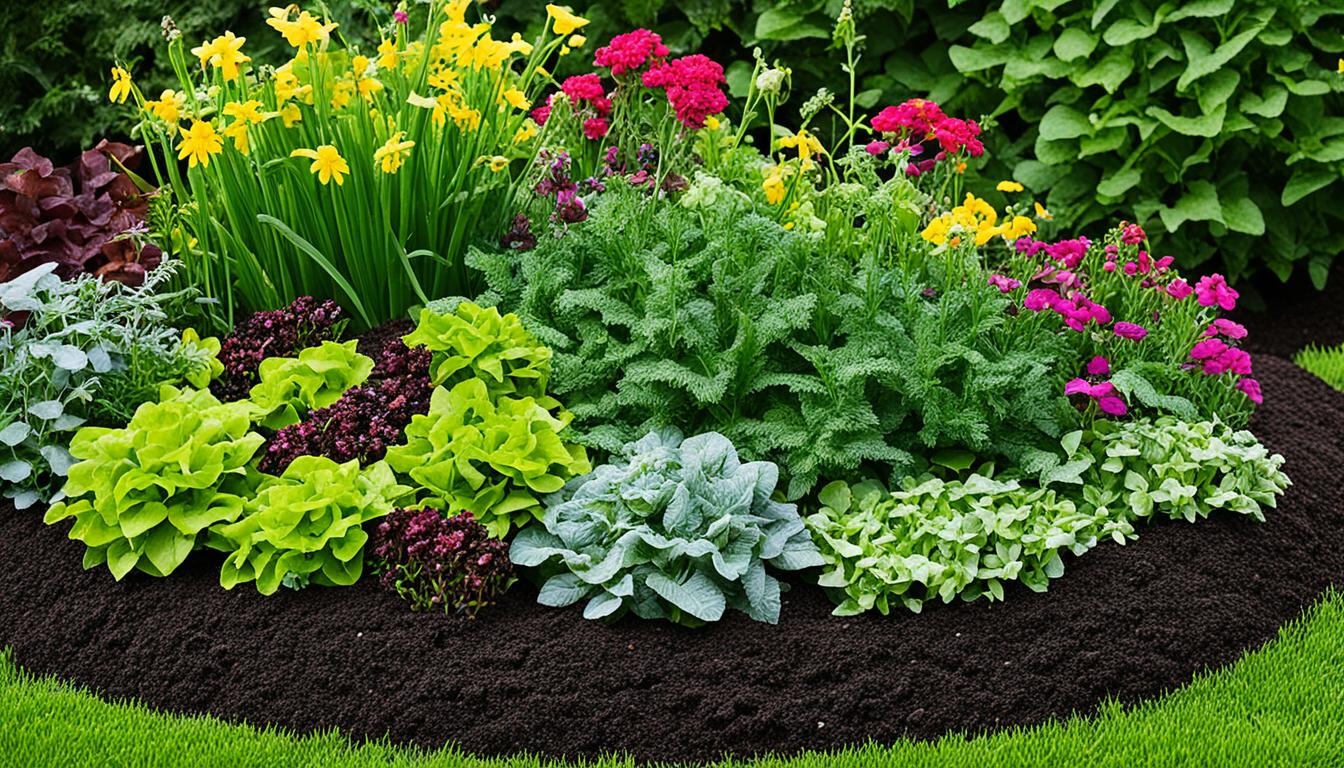
Garlic prefers full sun and fertile, well-drained soil. Poor drainage increases the risk of bulb and root problems, especially during wet winters.
Loosen compacted soil before planting and mix in finished compost if the bed needs more organic matter. Avoid burying cloves in a pocket of heavy, soggy soil. If drainage is poor, a raised bed or slightly elevated planting area can be a better choice.
For a deeper soil-preparation checklist, see our healthy soil guide.
How to Separate Garlic Cloves for Planting
Keep bulbs whole until shortly before planting. Then gently break each bulb apart into individual garlic cloves. Try to keep the papery skin intact because it helps protect each clove from damage and drying.
Set aside damaged, soft, or very small cloves for kitchen use. Plant the largest healthy cloves from each bulb if your goal is larger harvest bulbs.
Garlic Planting Depth
Garlic planting depth is usually shallow compared with many spring bulbs. For many home gardens, cloves are planted about 1 to 2 inches deep, measured from the top of the clove to the soil surface. Some growers plant slightly deeper in colder climates or very loose soil.
The pointed tip faces upward. The flat basal plate, where roots emerge, faces downward. Planting cloves sideways or upside down can still produce plants, but stems may grow crooked and development can be weaker or slower.
Garlic Clove Spacing
Proper garlic clove spacing gives each plant enough room to build a full bulb without wasting bed space.
A practical spacing for home gardens is about 4 to 6 inches between cloves. Rows can be spaced farther apart where you want room for weeding and access. In intensive raised beds, cloves can be arranged in a grid as long as airflow and access remain reasonable.
Do not crowd garlic simply to fit more plants into one bed. Tight spacing can reduce bulb size and make weed control harder.
Step-by-Step: How to Plant Garlic Cloves
- Mark your rows or grid. This keeps spacing consistent.
- Make planting holes or a shallow furrow. Keep depth even across the bed.
- Place each clove point-up. The flat root plate goes down.
- Space cloves 4 to 6 inches apart. Give larger varieties enough room.
- Cover gently with soil. Do not compact the bed heavily.
- Water after planting. Moist soil helps roots begin establishing.
Should You Mulch Garlic After Planting?
In cold climates, mulch can protect the garlic bed from repeated freezing and thawing, reduce frost heaving, conserve moisture, and suppress weeds. Straw or shredded leaves are common choices.
A light to moderate layer is usually enough for many home gardens. Very heavy mulch in wet climates can keep soil too damp, so adjust to local conditions rather than applying the same depth everywhere.
When spring growth resumes, check the bed. If mulch is packed down so heavily that shoots struggle to emerge, loosen or thin it.
Watering Garlic After Fall Planting
Water the bed after planting so soil settles around the cloves and root development can begin. After that, moisture needs depend on rainfall and soil type.
Garlic does not benefit from constantly soggy soil. Keep the bed evenly moist when conditions are dry, but avoid frequent watering if fall rains already keep the soil damp.
Can Garlic Sprout Before Winter?
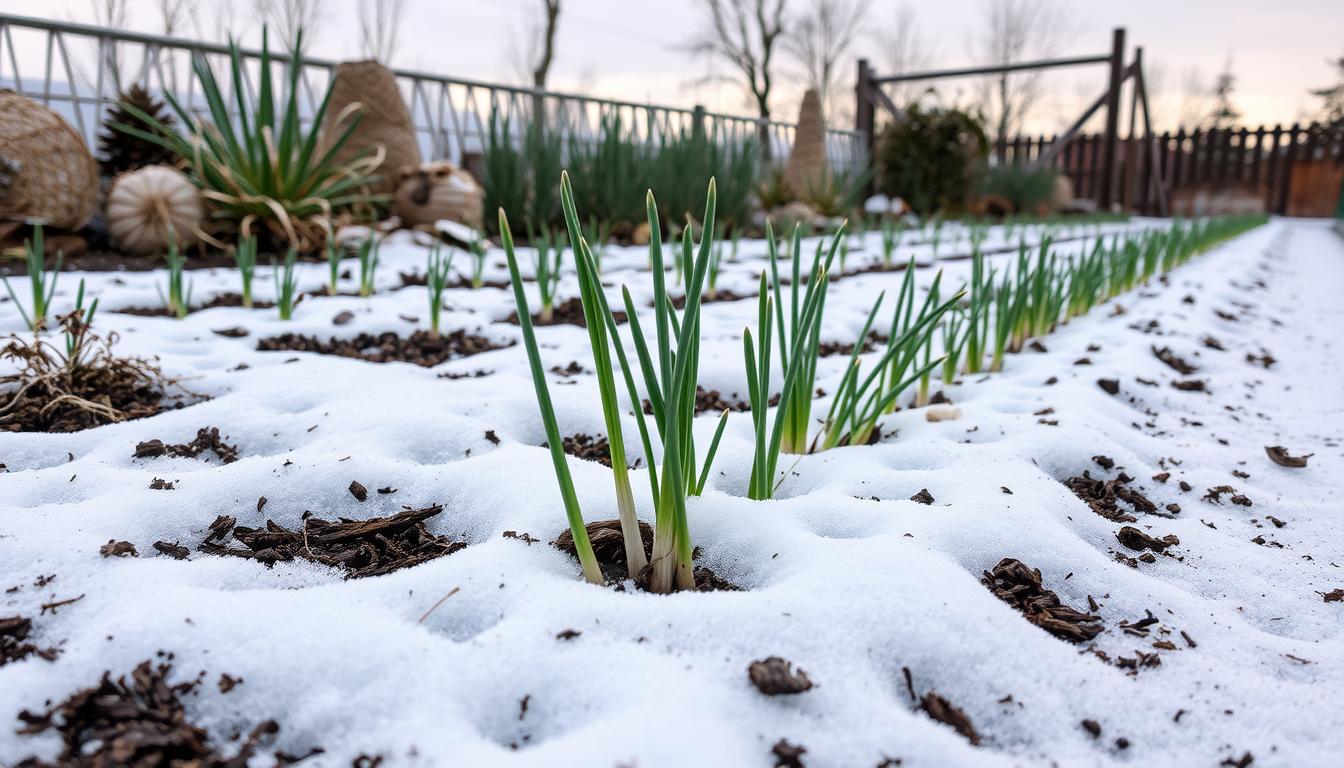
Yes. In some years, mild fall weather causes shoots to emerge before winter. A few inches of green growth usually does not mean the crop has failed. Established roots and healthy cloves can still survive cold weather, especially with appropriate mulch in colder regions.
The greater risk is planting so early that garlic puts excessive energy into tender top growth before winter.
What to Do With Garlic in Spring
Once growth resumes, keep weeds under control because garlic does not compete well with dense weed growth. Maintain even moisture as plants develop, especially during active bulb formation.
Hardneck varieties produce flower stalks called scapes. Gardeners often remove garlic scapes after they curl so the plant directs more energy into the underground bulb. Scapes are also edible.
When Will Fall-Planted Garlic Be Ready to Harvest?
Garlic planted in fall is usually harvested the following summer. Timing varies by region and variety, but a common visual cue is when several lower leaves turn brown while the upper leaves remain partly green.
Do not wait until every leaf has died. The remaining leaf wrappers help protect the bulb during curing and storage.
Common Fall Garlic Planting Mistakes
- Planting too early in warm soil
- Planting after the ground has frozen solid
- Using diseased or soft cloves
- Planting tiny cloves when larger seed cloves are available
- Putting the pointed end downward
- Using poorly drained soil
- Spacing cloves too closely
- Overwatering through wet fall weather
- Using the same garlic variety in every climate
- Ignoring weed control in spring
Frequently Asked Questions
What month do you plant garlic in fall?
October is a common garlic planting month across many U.S. regions, but colder areas may start earlier and warmer areas may plant later. The better guide is local soil temperature and the expected timing of frozen ground.
How deep do you plant garlic cloves?
Many home gardeners plant garlic cloves about 1 to 2 inches deep, though local extension guidance may recommend slightly different depths based on soil and climate.
How far apart should garlic cloves be?
A spacing of about 4 to 6 inches between cloves works well for many home gardens. Larger varieties may benefit from the wider end of that range.
Should garlic be planted point up?
Yes. Plant the pointed end upward and the flatter root plate downward.
Should I peel garlic cloves before planting?
No. Keep the papery wrapper around each clove as intact as possible when separating bulbs for planting.
Do I need to mulch garlic for winter?
Mulch is especially useful in colder climates because it helps moderate soil temperature, reduce frost heaving, conserve moisture, and suppress weeds.
Can I plant garlic in a raised bed?
Yes. Raised beds can be excellent for garlic because they often provide the loose, well-drained soil the crop prefers.
Final Fall Garlic Planting Rule
The key to how to plant garlic in fall is timing the crop so roots establish before winter without encouraging excessive top growth. Start with healthy seed garlic, choose the right hardneck or softneck type for your climate, plant cloves point-up at the correct depth and spacing, and keep the soil well drained.
For an authoritative reference on timing, spacing, soil, and fall planting, see the Penn State Extension guide to growing garlic in fall.