
Why Are Your Hydrangeas Dying? Here’s How to Save Them
Are your hydrangeas fading, even with lots of care? Many gardeners face this issue, often after planting or in hot weather.
This guide will teach you to revive dying hydrangeas and avoid common mistakes. You’ll learn how to stop your plants from declining. This article will help you bring your hydrangeas back to life.
Key Takeaways
- Recognize the signs of distress in your hydrangeas.
- Identify common causes that lead to dying hydrangeas.
- Learn actionable steps to revive distressed plants.
- Understand how seasonality affects hydration and health.
- Discover pest control methods to protect your hydrangeas.
- Implement long-term care practices for robust growth.
Understanding Why You Have Dying Hydrangeas in Your Garden
Spotting dying hydrangeas early is key to a vibrant garden. These plants are beautiful but can decline if their needs aren’t met.
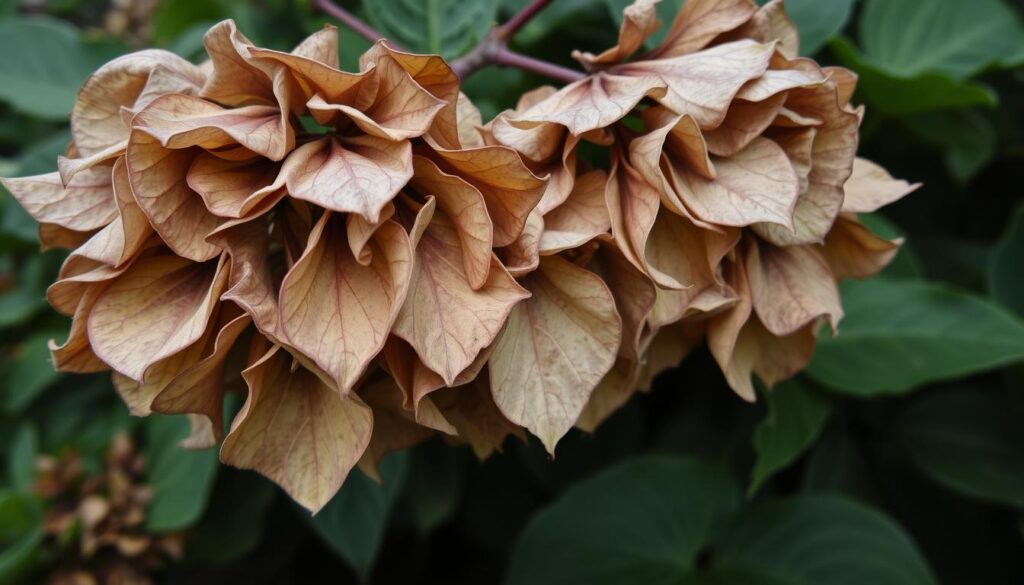
Healthy hydrangeas have green leaves and colorful blooms. Wilting or browning can mean poor soil, too much water, or extreme weather. Hydrangeas dying in heat or direct sun is common.
By knowing the early signs and environmental triggers, you can act quickly. Understanding why your hydrangeas are dying is the first step to saving them.
Common Causes of Dying Hydrangeas You Need to Watch For
Seeing dying hydrangeas can be frustrating. But finding the root cause is the first step to recovery. Most problems come from poor soil, environmental stress, or wrong watering.
Poor Soil Conditions
Soil quality affects hydrangea health. They need rich, well-draining soil. If your hydrangeas are dying after planting, it might be due to bad soil.
Soil that holds too much water or dries out too fast is also a problem. Testing your soil’s pH and adding organic content can help.
Environmental Stressors
Hydrangeas are sensitive to environmental changes. Hydrangeas dying in heat, high winds, or too much sun often wilt or turn brown. Sudden temperature changes and prolonged sun exposure can also cause a decline.
Knowing these triggers helps you protect your plants. You can use better placement, shading, or wind protection.
Improper Watering Techniques
Too much or too little water can stress plants. Overwatering can cause root rot, while underwatering dries out stems and leaves. Finding the right watering rhythm for your soil and climate is key.

| Cause | Description | Impact on Hydrangeas |
|---|---|---|
| Poor Soil Conditions | Nutrient-deficient or draining issues | Impeded growth, nutrient deficiency |
| Environmental Stressors | Extreme temperatures, wind, light | Stress, damage to foliage |
| Improper Watering Techniques | Overwatering or underwatering | Wilting, root rot, browning |
Early Signs of Dying Hydrangeas You Should Never Ignore
Spotting dying hydrangeas early is your best chance to save them. Knowing what to look for lets you act fast and restore their health.
Brown and Crispy Leaves
Dry, brown leaves are a warning sign. Hydrangeas dying in heat, drought, or full sun often get crispy edges and discolored leaves. If you see this, your plant is stressed and needs help right away.
Wilting and Drooping Stems
Wilting stems mean your hydrangeas might be dehydrated or stressed by heat. Check the soil moisture and shade level to keep stems healthy.
No Flowers or Early Flower Death
If blooms never appear or fade quickly, your plant might be stressed. This could be due to poor soil, inconsistent watering, or harsh sun. The sooner you address these signs, the better your chances of saving your plant.
How to Revive Dying Hydrangeas Step by Step
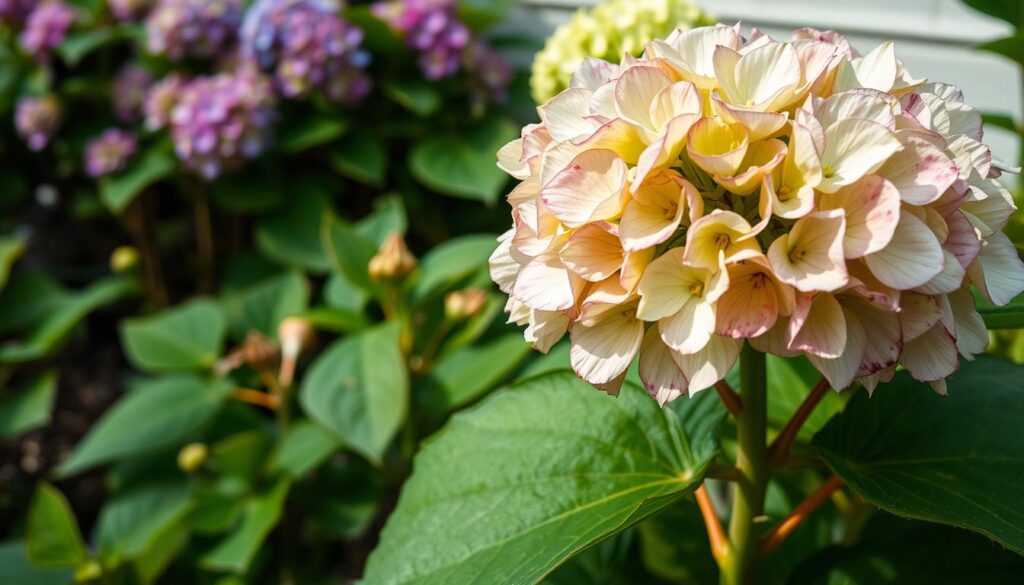
To revive your dying hydrangeas, start with three key steps. First, check the soil moisture. Then, adjust your watering routine. Lastly, use the right fertilizer. With these steps, your plants can recover beautifully.
Assessing Soil Moisture Levels
Hydrangeas need the right amount of moisture to thrive. Use the finger test by sticking your finger two inches into the soil. If it’s dry, it’s time to water. A moisture meter can also help you get it right.
Keeping the soil moist prevents overwatering and root rot. These are common reasons for hydrangeas dying after planting.
Adjusting Watering Practices
Hydrangeas prefer deep, infrequent watering. Aim for about 1 inch of water per week. Watering in the early morning helps prevent evaporation. Proper watering is key to helping dying hydrangeas recover quickly.
Implementing Fertilization Strategies
Use a slow-release, phosphorus-rich fertilizer for flowering shrubs. Apply it once in early spring and again in late spring if needed. Good nutrition boosts color and prevents why do hydrangeas die so quickly after blooming.
These steps improve soil, support roots, and bring back vibrant blooms.
| Moisture Level Indicator | Action Required |
|---|---|
| Dry | Water immediately |
| Moist | Check in a few days |
| Wet | Delay watering |

Do Hydrangeas Die in the Winter? Here’s What You Should Know
Many gardeners worry about dying hydrangeas in winter. But winter doesn’t always mean death. Most hydrangeas go dormant, not dead. Knowing how to protect them is key.
In cold climates, hydrangeas die back in the winter, looking leafless and lifeless. But this is normal dormancy. Look for signs of actual damage like blackened stems or cracked wood, caused by freezing winds or ice.
To protect your plant, mulch around the base to keep roots warm. Cover the shrub with burlap or frost cloth to shield it from windburn. These steps can help your plant survive harsh winter weather.
Not all hydrangeas react the same to winter. Do hydrangeas die back completely? It depends on the type. Smooth and panicle hydrangeas are more winter-hardy than bigleaf or oakleaf varieties.
In short, while winter can be harsh, with the proper care, your hydrangeas will rest, recover, and bloom again when the weather warms.
How to Spot and Treat Winter Kill in Dying Hydrangeas
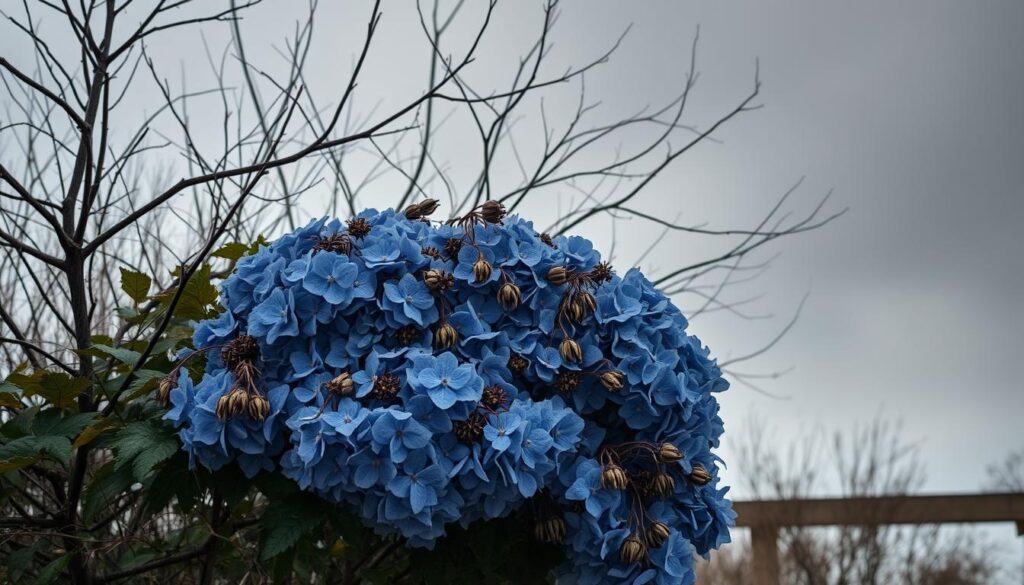
As winter approaches, it’s essential to check your plants for winter damage. This is critical if you have dying hydrangeas. Spotting winter kill early lets you act before spring, giving your plants the best chance to recover.
Checking for Green Buds
Start by looking for signs of life, like plump green buds along the stems. Healthy buds mean the plant is alive and just dormant. Gently pinch the branches—if they bend and reveal green inside, the stem is healthy. If they snap easily or feel brittle and dry, that part may be lost to cold injury.
Pruning Dead Canes
Once you’ve spotted dead or damaged growth, prune those canes back to the first healthy bud. Do this in late winter or early spring when the plant is dormant. Removing winter-killed growth encourages vigorous regrowth and prevents your hydrangeas from dying back in winter from getting worse next season.
Why Are Your Dying Hydrangeas Struggling After Planting?
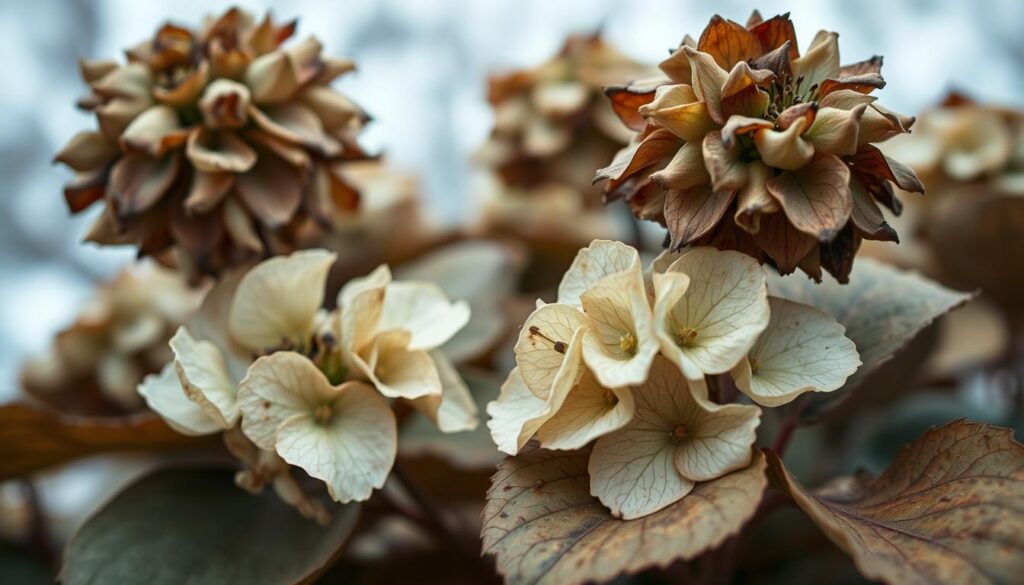
Seeing your dying hydrangeas wilt can be upsetting. Often, this is because of transplant shock. Knowing how your plants handle change is the first step to helping them recover.
Transplant Shock
Hydrangeas dying after planting is usually due to transplant shock. This stress can cause wilting, slow growth, or droopy leaves. It’s natural, given the roots were disturbed.
To help them recover, check the roots and water them regularly, but avoid overwatering. The first few weeks are critical.
Adjusting to New Soil Conditions
Hydrangeas may struggle if the new soil is different from their old one. Poor drainage, wrong pH, or lack of organic matter can slow their adjustment.
Adding compost or soil amendments can help a lot. These changes allow the plant adapt, reduce stress, and avoid why do my hydrangeas keep dying issues in the future.
With some care, your transplanted hydrangeas can recover and thrive.

How to Keep Dying Hydrangeas Alive During Extreme Heat
Hot summer weather can harm dying hydrangeas, making them stressed. But, with the proper steps, you can protect them and keep your garden looking great.
Providing Adequate Shade
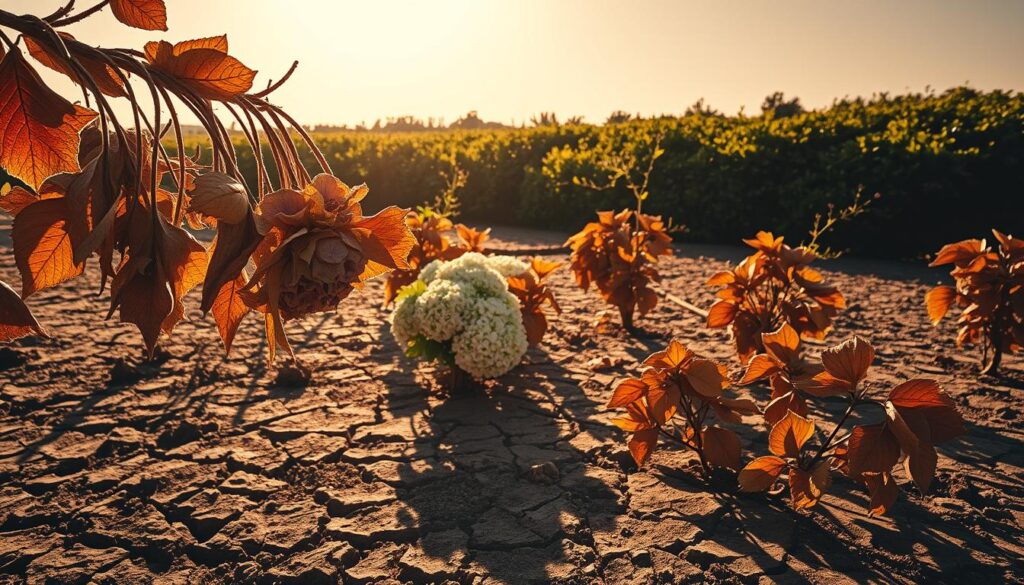
One great way to protect hydrangeas from dying in the heat is by giving them shade during the hottest part of the day. Afternoon shade helps prevent water loss and leaf scorch. You can use tall plants, umbrellas, or shade cloths for shade.
Plant hydrangeas where they get morning sun and afternoon shade. This balance helps reduce stress and supports steady growth.
Using Mulch to Retain Moisture
Mulching is another smart move. A 2–3 inch layer of organic mulch—like bark, straw, or shredded leaves—keeps the soil cool and moist. This reduces the need for frequent watering.
Mulch not only protects the roots from high temperatures but also improves soil quality over time. This makes it easier to avoid why my hydrangeas are dying during summer heatwaves.
| Method | Benefits | Tips |
|---|---|---|
| Providing Shade | Reduces heat stress and prevents wilting. | Locate hydrangeas in areas with afternoon shade. |
| Using Mulch | Helps retain soil moisture and cools the ground. | Apply a 2-3 inch layer of organic mulch. |
How to Keep Dying Hydrangeas Fresh in a Vase
Cutting dying hydrangeas can add charm and color indoors. But, they need the proper care to stay beautiful. If your hydrangeas are dying in the vase, it’s likely due to poor hydration or vase conditions. Here’s how to fix that and extend their vase life.
Water Requirements for Cut Hydrangeas
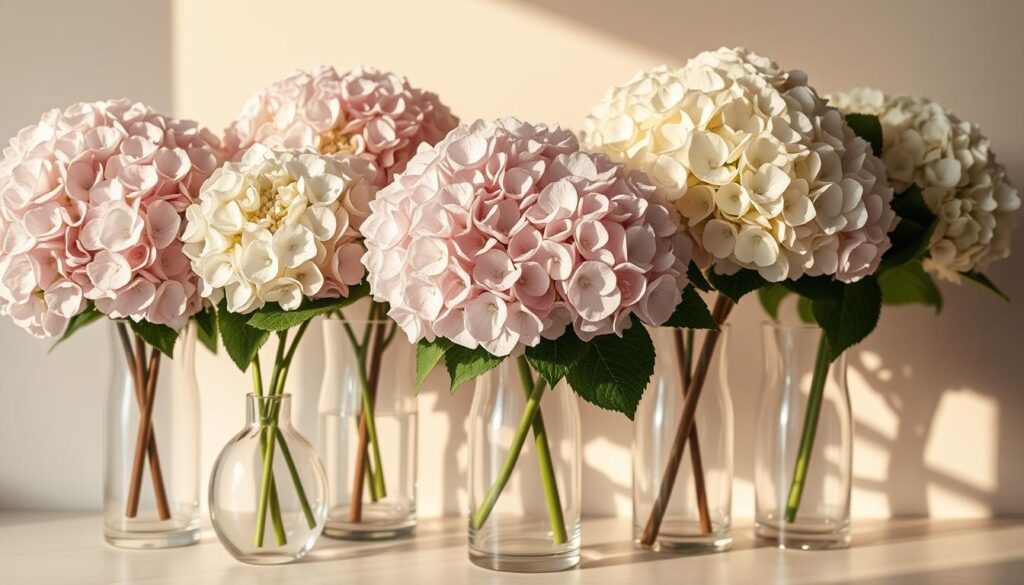
Hydrangeas are thirsty blooms. To prevent hydrangeas from dying in a vase, fill the container with clean, room-temperature water covering at least half the stem. Replace the water every 2–3 days and trim the stems slightly at an angle to help them absorb moisture better.
If available, add a floral preservative to nourish the blooms and prevent bacterial buildup.
Choosing the Right Vase
Your vase is more important than you think. A wide, sturdy vase supports large hydrangea heads and provides plenty of space for water. Clear glass vases are ideal—they allow you to monitor water levels and ensure cleanliness.
A dirty or narrow vase can lead to faster wilting and might leave you wondering, “why do hydrangeas die so quickly indoors?”
With proper care, even cut hydrangeas can stay fresh and full for days.
Protecting Dying Hydrangeas from Pests and Infestations
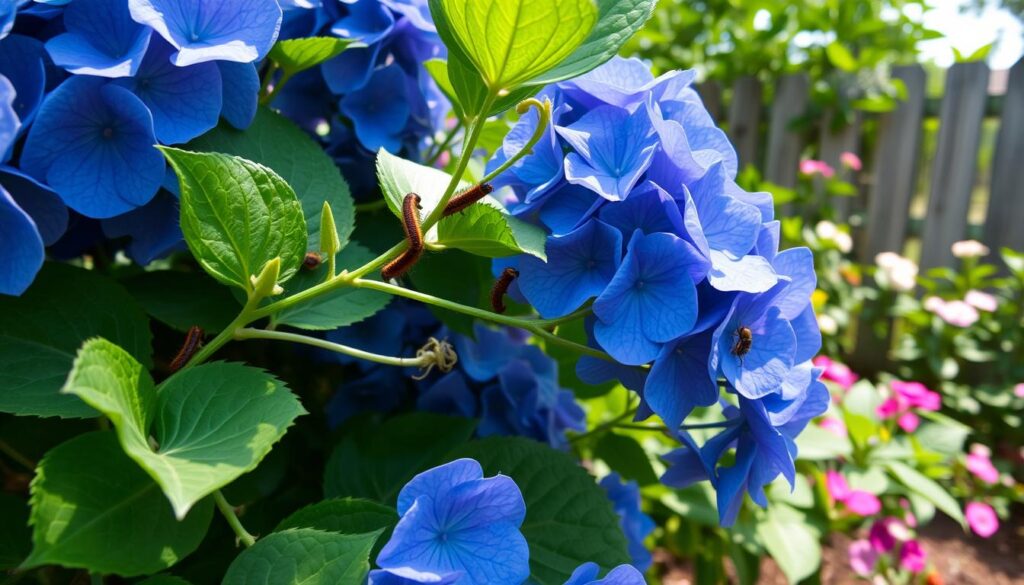
Even well-cared-for dying hydrangeas can get pests. These insects harm the plant’s appearance and weaken it, making it more vulnerable if it’s already stressed. Spotting pests early is key to preventing lasting damage.
Common Pests That Affect Hydrangeas
Several pests are commonly found attacking hydrangeas:
- Aphids – These sap-sucking insects cause curling leaves and slow growth.
- Spider Mites – Often go unnoticed but leave behind yellowed leaves and delicate webs.
- Japanese Beetles – These shiny beetles chew through leaves quickly.
- Slugs and Snails – Active at night, they leave holes in leaves and trails of slime.
If left untreated, these pests may contribute to why my hydrangeas die, making them more vulnerable in hot or dry weather.
Organic Solutions for Pest Control
There’s no need to resort to chemicals. Try these organic pest control options to keep your garden safe:
- Neem Oil – Disrupts the life cycle of many harmful insects.
- Insecticidal Soap – Suffocates soft-bodied pests like aphids and spider mites.
- Beneficial Insects – Introduce ladybugs and lacewings to feed on pests naturally.
- Companion Planting – Grow marigolds or garlic near hydrangeas to deter pests.
By using natural methods, you can help your plants recover and avoid further damage to your dying hydrangeas.
Seasonal Maintenance: How to Care for Dying Hydrangeas Year-Round
Caring for dying hydrangeas takes a seasonal approach. Each season offers a chance to either revive stressed plants or protect healthy ones from decline. Here’s how to care for hydrangeas throughout the year:
Spring: Feed and Refresh
Spring is ideal for reviving dying hydrangeas after planting or overwintering. Apply a balanced fertilizer to boost new growth and vibrant blooms. Also, test and adjust soil pH to help your plant absorb nutrients effectively.
After fertilizing, water deeply to help nutrients penetrate the soil.
Summer: Protect from Heat and Dryness
In summer, hydrangeas need extra support. Aim for at least 1 inch of water weekly, and apply mulch to retain moisture and regulate soil temperature. If you’re wondering how to help dying hydrangeas in heat, shade, and consistent watering are key.
Fall: Prune and Prepare
Trim away wilted or damaged stems to prep for dormancy, but avoid heavy pruning, which may affect next season’s flowers. Light care now encourages stronger growth in spring.
Winter: Insulate and Shield
Wrap the base of your plant with burlap or add extra mulch to protect roots from freezing. This is essential if you worry about whether hydrangeas die back in winter due to cold snaps.

Why Do My Hydrangeas Keep Dying? Key Mistakes to Avoid
If you keep wondering, “why do my hydrangeas keep dying?“—you’re not alone. Many gardeners face repeated struggles with dying hydrangeas, often because of simple but critical missteps in care and environment.
Identifying Mismanagement Issues
Improper watering is a top reason for hydrangeas dying. Too much or too little moisture stresses the roots. Over-fertilizing can also burn the plant. Always stick to a balanced schedule to avoid root rot or stunted growth.
Cultural Practices That Harm Plants
Wrong pruning methods or neglecting to prune at all can lead to disease and weak flowering. Dead or overcrowded stems need to be removed regularly. Also, planting in the wrong location or ignoring seasonal needs—like not preparing for winter—can explain why hydrangeas die so quickly or why they seem to fade year after year.
By identifying these patterns, you can stop asking why my hydrangeas keep dying—and start seeing real, healthy growth.
| Mismanagement Issues | Recommendations |
|---|---|
| Overwatering | Check soil moisture before watering. |
| Under-fertilizing | Use a balanced fertilizer as per package instructions. |
| Poor Pruning Techniques | Remove deadwood in early spring. |
| Improper Planting Location | Ensure partial shade and well-drained soil. |
Long-Term Care for Healthy, Thriving Hydrangeas
Keeping your hydrangeas healthy over the years takes more than just watering. With consistent attention and innovative practices, you can avoid dying hydrangeas and enjoy long-term blooms.
Regular Pruning Guidelines
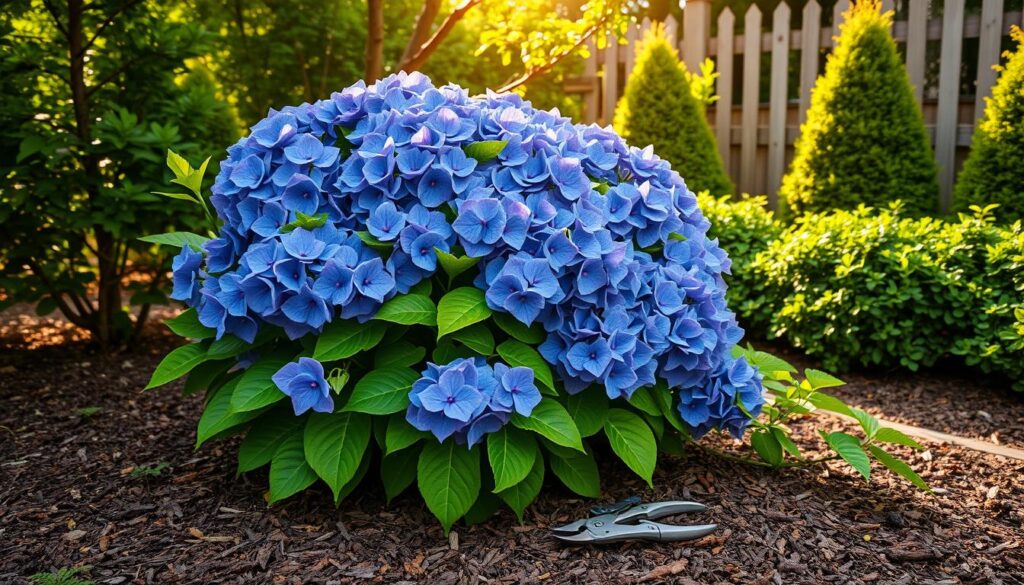
Proper pruning keeps your shrubs full and blooming. Always prune in late winter or early spring, just before new growth. Cut away any dead or weak stems to improve airflow and sunlight penetration.
Using clean, sharp tools prevents disease and promotes healthy regrowth. Skipping pruning is one reason why hydrangeas die back or stop flowering.
Improving Soil Health
Good soil is the foundation of plant health. Mix in compost or aged manure to add nutrients and boost microbial life. Also, monitor pH—hydrangeas dying can result from overly acidic or alkaline soil.
Mulch helps conserve moisture and protects roots from temperature swings. This ongoing care prevents why did my hydrangeas die moments and builds plant resilience over time.
Expert Tips to Revive Your Dying Hydrangeas Effectively
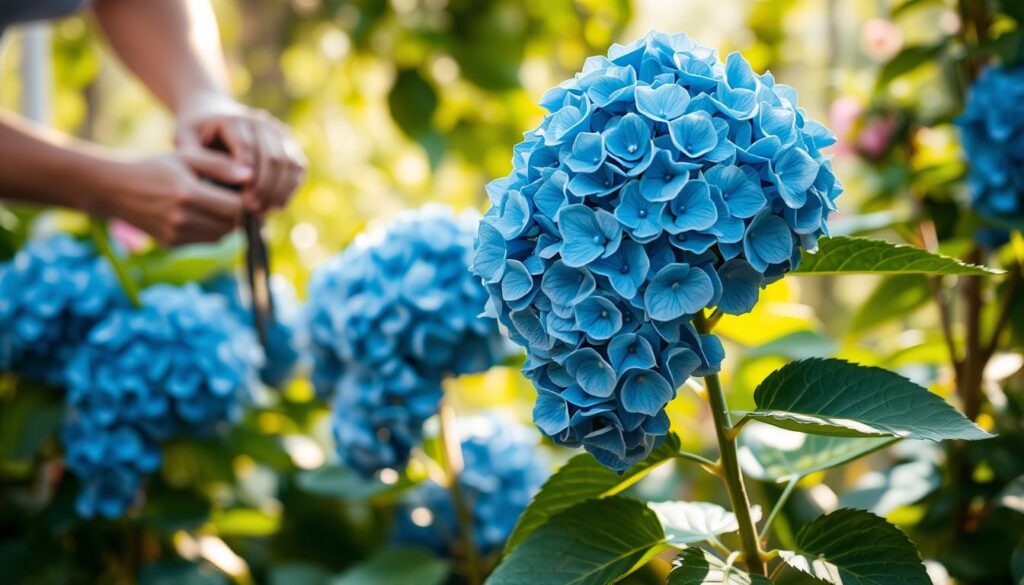
If you’re frustrated with dying hydrangeas, it’s time to take expert action. Understanding your plant’s nutritional needs and choosing hardy varieties can completely change the outcome.
Applying the Right Fertilizer
Fertilizer plays a significant role in helping your hydrangeas bounce back. Choose a product with a balanced N-P-K ratio. Nitrogen boosts leaf growth, phosphorus strengthens roots, and potassium improves flowering.
Water-soluble options like Miracle-Gro Water Soluble All Purpose Plant Food are fast-acting. For gardeners who want low-maintenance feeding, slow-release granules are ideal. Always follow the label to avoid overfeeding — a mistake that often leads to hydrangeas dying after planting.
Choosing Hardy Varieties
Some types of hydrangeas naturally cope better with stress. If you’re tired of asking, “why do my hydrangeas keep dying?”, consider switching to hardier varieties.
Try ‘Endless Summer’ or ‘PeeGee’. These are more resistant to drought, pests, and seasonal shifts. Planting these varieties helps avoid the heartbreak of hydrangeas dying in heat or during rough weather.
Hydrangeas Dying: A Cautionary Tale Every Gardener Should Know
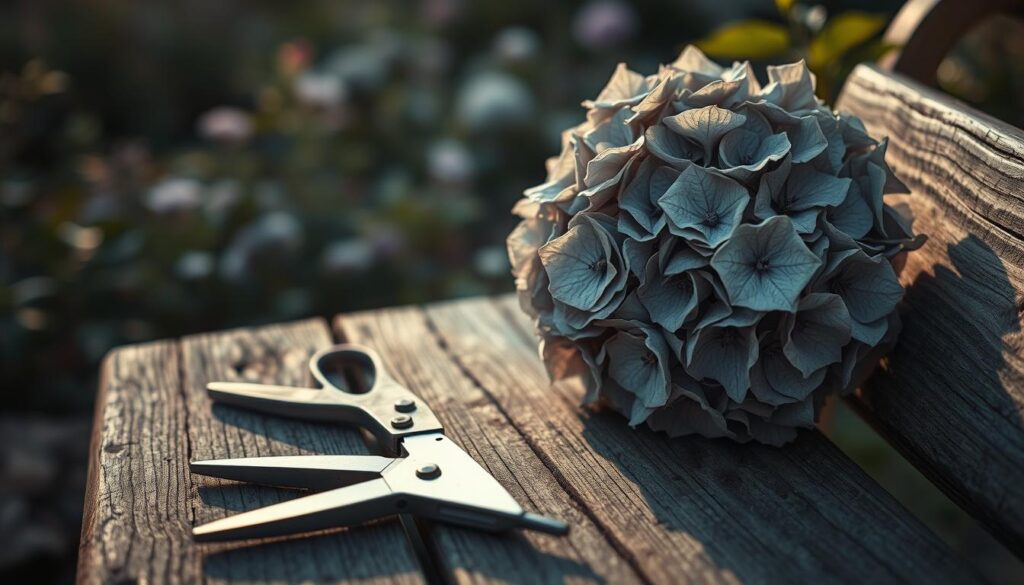
Taking care of hydrangeas is more than just watering and watching them grow. It’s a commitment. When that care is missing, the result is often dying hydrangeas, leaving behind more regret than blooms.
One beginner gardener once admired the lush beauty of these plants. But they ignored the basics — regular watering, balanced fertilizing, and protection from heat. Sadly, it led to wilting, brown leaves, and eventually, hydrangeas dying after planting.
Hydrangeas are sensitive to pests, poor soil, and sudden weather changes. These common triggers explain why my hydrangeas keep dying, often during tough seasons. Every neglected plant tells a story — not just of loss, but of a lesson learned.
By being more attentive, doing research, and learning from past mistakes, you can avoid these setbacks. Instead of asking “why did my hydrangeas die?”, you’ll enjoy vibrant, healthy blooms that brighten your garden each year.
Conclusion: How to Help Dying Hydrangeas Thrive Again
Don’t lose hope if your dying hydrangeas are a concern. With the proper care, like watering and fertilizing, they can flourish again.
Hydrangeas are more than just flowers. They add color and charm to your garden. Learning to care for them will make your garden a joy to behold all year.
Gardening is a journey filled with lessons. With patience and knowledge, you’ll overcome the challenges. Soon, you’ll be enjoying your healthy, blooming hydrangeas.
For expert advice, check out the Hydrangea Care Guide by the University of Illinois Extension. It’s an excellent resource for gardeners.
FAQ
For the broader hydrangea topic, see our panicle hydrangea guide. For more shrub troubleshooting and care, visit the shrubs hub.
Do hydrangeas die in the winter?
Hydrangeas can go dormant in winter but may die if exposed to extreme cold without proper protection. It’s essential to cover and mulch them to help them survive harsh conditions.
Why are my hydrangeas dying?
Dying hydrangeas may be a result of poor soil quality, environmental stressors, or improper watering techniques. Identifying the specific cause is key to reviving them.
How can I revive my dying hydrangeas?
To revive dying hydrangeas, check soil moisture, adjust your watering practices, and implement suitable fertilization strategies. Regular maintenance can significantly help get them back on track.
What are common signs that my hydrangeas are in trouble?
Look for brown and crispy leaves, wilting stems, or an absence of blooms. These signs may indicate issues such as drought, overexposure to sun, or inadequate watering.
How does poor soil affect my hydrangeas?
Poor soil conditions can inhibit growth and affect the health of your hydrangeas by limiting nutrients, drainage, and aeration. Regular soil checks and amendments can help improve its quality.
What causes hydrangeas to die after planting?
Transplant shock is a common reason hydrangeas struggle after planting. They need time to acclimatize to their new environment, so proper care during this period is critical.
How can I protect my hydrangeas from heat stress?
Providing afternoon shade and mulching to retain moisture can significantly help protect hydrangeas from heat stress during the hotter months.
How should I care for cut hydrangeas in a vase?
To keep cut hydrangeas fresh, ensure they have enough water, choose the right vase, and cut stems at an angle to maximize water intake. Regularly check the water level for best results.
What pests should I be aware of when caring for my hydrangeas?
Common pests that affect hydrangeas include aphids and spider mites. Regular inspections can help identify infestations early, allowing for timely organic control methods.
How can I improve the overall health of my hydrangeas?
Regular pruning, fertilization, and soil improvement practices will enhance the health of your hydrangeas. Consistent maintenance is key to preventing distress