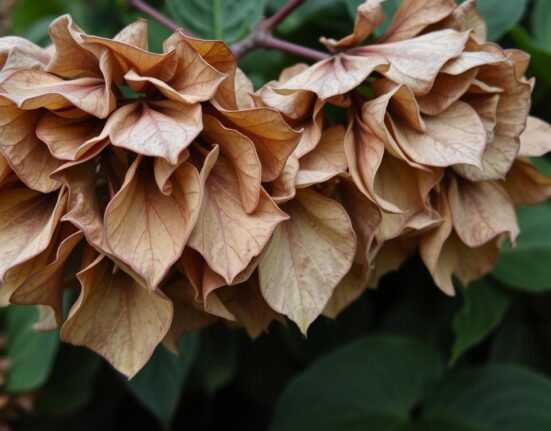


Is your boxwood struggling with yellow leaves or slow growth? Fertilizer may help, but yellowing does not automatically mean your shrub needs feeding. Boxwoods can show similar symptoms from root stress, poor drainage, incorrect soil pH, drought, disease, or nutrient deficiency. This guide explains when fertilizer is actually needed, what type to use, and how to apply it without damaging shallow boxwood roots.
Best Fertilizer for Boxwoods: Quick Answer
Do boxwoods need fertilizer? Not routinely. Start with a laboratory soil test and correct drainage or root problems first. Boxwoods generally prefer near-neutral soil around pH 6.5-7.2. If a soil test or clear deficiency indicates nitrogen is needed, a measured application of an appropriate fertilizer can help; University of Maryland Extension specifically notes 10-6-4 as one option when nitrogen is deficient.
- Best first step: soil test before choosing an NPK ratio.
- Best timing when feeding is justified: fall is commonly preferred; late winter or early spring can also be appropriate for trees and shrubs depending on local guidance.
- Avoid: routine high-rate feeding, late-summer fertilizing, fertilizer touching foliage or concentrated near shallow roots, and acid-loving-plant fertilizers unless a soil test supports lowering pH.
Key Takeaways
- Understand the primary nutrients (NPK) needed for healthy boxwood growth.
- Recognize the signs that your boxwoods are lacking essential nutrients.
- Learn the optimal timing and application methods for fertilizing boxwood shrubs.
- Discover how soil type and pH affect your boxwood’s nutrient requirements.
- Avoid the common pitfalls of over-fertilizing and improper feeding schedules.
Understanding Boxwood Fertilizer Basics
Keeping your boxwood shrubs healthy is key. Boxwoods, with 150 species, grow from two to ten feet tall. They do best in zones 5 through 9. Knowing what makes a good fertilizer, when to fertilize, and the NPK ratio is vital.
What Makes a Good Boxwood Fertilizer?
The best fertilizer for boxwoods is the one that matches an actual nutrient need. Do not choose 10-6-4, 10-10-10, or another formula just because it is marketed for shrubs. A soil test can show whether nitrogen, phosphorus, potassium, or a pH correction is needed. If nitrogen is deficient, a measured 10-6-4 application is one Extension-supported option.
Signs Your Boxwood Needs Fertilizer
- Yellowing of lower, older leaves
- Smaller, thinner foliage
- Stunted growth or lack of new growth
NPK Ratios Explained
The NPK ratio is on every fertilizer package. It shows the nitrogen (N), phosphorus (P), and potassium (K) percentages. Finding the right balance is crucial for your boxwood’s health and look.
“Properly fertilizing your boxwood shrubs can make a significant difference in their growth, foliage color, and overall vigor.”
When to Fertilize Boxwoods
Only fertilize when plant condition and a soil test indicate a need. For boxwoods that truly need nitrogen, fall is a commonly recommended feeding window; broader tree-and-shrub guidance also allows late winter to early spring in appropriate conditions.
Avoid fertilizing in late summer or early fall, when a nutrient flush can stimulate tender growth before dormancy. Do not apply fertilizer to frozen ground, drought-stressed plants, or waterlogged soil.
The exact product and rate should follow the soil-test recommendation and fertilizer label rather than a universal NPK formula.

By choosing the right time and product for boxwood fertilizer, your boxwoods will stay healthy and beautiful for years.
Choosing the Right Location for Healthy Boxwoods
It’s important to pick the right spot for your boxwood plant fertilizer or fertilizer for boxwood bushes. Boxwoods do well in different light levels, from full sun to partial shade. But they need certain things from their environment.
Sunlight Requirements
Boxwoods grow best in full sun to part shade. In very hot places, afternoon shade helps prevent leaf burn. Look for a spot that gets the right mix of sun and shade all day.
Protection from Winter Winds
Keeping your boxwoods safe from harsh winter winds is key. These winds can dry out and damage the leaves. Plant them in a spot that’s protected, like near a wall or fence, to block the wind.
Soil Drainage Considerations
Boxwoods need well-draining soil to stay healthy. They don’t like wet feet and can get root diseases if the soil is too moist. Don’t plant them near downspouts or in low spots where water collects. Container-grown boxwoods especially need good drainage to avoid root rot.
By choosing the right spot for your boxwoods, they’ll stay healthy and look great for many years.

Proper Soil Requirements for Boxwood Growth
Boxwood shrubs can grow well in many soils. They can handle different levels of acidity and nutrients. But, there are important soil needs for them to grow healthy and have bright leaves.
Boxwoods need well-draining soil to thrive. Adding compost or aged manure can help. You can also plant them on a berm or raised bed to improve drainage.
Boxwoods generally prefer near-neutral soil, around pH 6.5-7.2. Do not add sulfur, iron sulfate, or lime based on guesswork; adjust pH only when a soil test recommends it because pH strongly affects nutrient availability.
| Soil Characteristic | Ideal Range for Boxwoods | Remedies |
|---|---|---|
| Drainage | Well-draining | Add organic matter, plant on a berm |
| pH | About 6.5 – 7.2 | Adjust only from a soil-test recommendation |
Planting boxwoods in the right soil and adding necessary amendments helps them grow well. Keeping the soil right is crucial for fertilizing boxwoods and getting them to look lush and green.

Essential Nutrients for Boxwood Health
Boxwood bushes need the right mix of nutrients to stay healthy and strong. They require nitrogen (N), phosphorus (P), and potassium (K), known as the NPK ratio. These nutrients are key for growth and development.
Primary Nutrients (NPK)
Nitrogen helps boxwoods grow green and healthy. Phosphorus is good for roots and flowers. Potassium boosts their strength and fights off diseases. A 10-6-4 NPK ratio is best for boxwoods.
Secondary Nutrients and Micronutrients
Boxwoods also need magnesium, calcium, and sulfur, along with micronutrients like iron, boron, and zinc. These help with color, health, and stress resistance.
Using a boxwood bushes fertilizer with the right NPK ratio and other nutrients is key. It ensures your boxwoods grow well and look great.
| Nutrient | Role in Boxwood Health | Recommended Levels |
|---|---|---|
| Nitrogen (N) | Promotes lush foliage and growth | 10% |
| Phosphorus (P) | Supports root development and flowering | 6% |
| Potassium (K) | Enhances plant vigor and disease resistance | 4% |
| Magnesium (Mg) | Contributes to chlorophyll production and vibrant foliage | Supplemental |
| Calcium (Ca) | Supports cell wall development and root growth | Supplemental |
| Sulfur (S) | Enhances overall plant health and vitality | Supplemental |
Knowing what nutrients are best for what is the best fertilizer for boxwoods helps. It ensures your boxwoods stay healthy and vibrant.

How to Apply Boxwood Fertilizer
Using the right fertilizer is key for your boxwood shrubs to grow well. Here’s how to make sure your boxwoods get the nutrients they need:
- Use a slow-release, balanced fertilizer around the base of the boxwood. Put it near the drip line where most roots are.
- Spread the fertilizer over several inches of mulch after watering the soil well. This keeps it away from roots and leaves.
- Make sure to spread the fertilizer all around the root area. Go a few feet beyond the plant’s canopy.
It’s best to fertilize boxwoods in spring or late fall. They don’t need regular feeding. Don’t fertilize in summer, late summer, or winter, as it can harm them.
Do not use a one-size-fits-all amount based only on shrub width. Apply fertilizer at the rate recommended by your soil test and product label, and distribute it evenly over the active root zone rather than concentrating it near the trunk.
| Nutrient | Recommendation |
|---|---|
| Nitrogen (N) | 10% |
| Phosphorus (P) | 6% |
| Potassium (K) | 4% |
A slow-release product can reduce the risk of a sudden nutrient surge, but the NPK ratio should match the soil-test recommendation. Do not add lime or sulfur unless testing shows that the soil pH needs correction.
Be careful not to overfertilize. It can turn the leaves brown or cause fertilizer burn. Apply when the soil or mulch is a bit damp. Avoid touching the granules to roots or leaves.

Common Fertilizing Mistakes to Avoid
When fertilizing boxwood shrubs, it’s key to avoid common mistakes. Overfertilizing can harm your plants, causing nutrient burn and stunted growth.
Over-fertilization Risks
Too much fertilizer can stress your boxwood plants, making them more susceptible to disease. Always follow the recommended dosage and apply the right amount. Also, avoid applying fertilizer too close to the roots or leaves to prevent chemical burn.
Timing Errors
Fertilizing at the wrong time can harm your boxwood shrubs. Fertilizing in late summer can lead to growth that won’t survive winter. Instead, fertilize in early spring and late fall to support growth and prepare for seasons.
Also, don’t do deep root fertilization. Boxwood plants have shallow roots that can get damaged. Use surface-level applications and make sure the soil or mulch is damp before applying.

Avoiding these mistakes ensures your boxwood shrubs get the right nutrients at the best times. This helps them thrive and stay lush and vibrant.
Root Care and Protection Methods
Keeping your boxwood shrubs healthy begins with good root care. Boxwoods have shallow roots that dry out easily. It’s important to plant them at the right depth and keep them moist with mulch.
When planting, place the root ball 1/8 inch above the soil. This prevents waterlogging and ensures drainage. Then, apply only a light mulch layer around the root zone. For boxwoods, about 1 inch is generally enough; keep mulch away from the main stems. Excess mulch can encourage shallow adventitious roots, moisture problems, and vole activity.
- Keep the mulch layer light, generally around 1 inch, and do not mound it against the stems.
- In the fall and spring, rake away any fallen leaves or debris around the plant. This helps control disease and promotes air circulation.
By following these steps, your boxwood shrubs will have a strong start. Remember, the health of the roots affects the whole plant’s vigor and look.

Seasonal Fertilizing Guide
Timing is everything when fertilizing boxwoods for their best growth and health. The right boxwood fertilizer plan changes with the seasons. It meets the plants’ needs as they grow.
Spring Fertilizing Tips
Do not fertilize boxwoods automatically just because spring growth begins. Check plant symptoms, drainage, root health, and soil-test results first. If a soil test recommends feeding, follow the recommended nutrient rate and product label rather than using a routine seasonal dose.
Fall Feeding Guidelines
- Feed only if a soil test or diagnosed deficiency indicates a need.
- If nitrogen is recommended, use the rate specified by the soil-test report and fertilizer label.
- Avoid late-summer or early-fall feeding that can stimulate tender growth before dormancy.
- Apply only when soil moisture is adequate, then irrigate if rainfall is not expected.
For a healthy, vibrant boxwood landscape, give the right nutrients at the right times. Follow this seasonal guide to keep your boxwoods thriving all year.

Signs of Nutrient Deficiencies
Keeping your boxwoods healthy and looking great is key. You need to watch for signs of nutrient deficiencies. Boxwoods are tough, but they can show problems if they don’t get what they need.
One common sign of nitrogen deficiency is yellow leaves on the bottom of your boxwoods. These leaves might also be smaller and thinner. They can turn bronze in winter. Not enough magnesium can make the leaves look dull or off-color.
- Yellowing of lower, older leaves can indicate nitrogen deficiency
- Leaves may appear smaller, thinner, and bronze in winter due to lack of nitrogen
- Inadequate magnesium can lead to dull or discolored foliage
To figure out what’s missing, test your soil regularly. This will show you what nutrients your boxwoods need. Fixing these issues will keep your boxwoods looking good and strong against bad weather.

Organic vs. Synthetic Fertilizer Options
Choosing between organic and synthetic fertilizers is key for your boxwood bushes’ health. Each has its own benefits. The right choice depends on your plants’ needs and your gardening style.
Natural Fertilizer Alternatives
Organic fertilizers, like aged manure and cottonseed meal, come from nature. They’re great for keeping your boxwood bushes healthy long-term. These fertilizers give nutrients slowly, like nitrogen, phosphorus, and potassium.
They also make the soil better for water and nutrients. This creates a perfect place for your boxwoods to grow.
Chemical Fertilizer Benefits
Synthetic fertilizers provide nutrients in predictable concentrations, while organic products can release nutrients more gradually depending on their formulation and soil conditions. Neither type is automatically better for boxwoods.
Choose the product that supplies the nutrient a soil test says is needed, use the correct rate, and avoid unnecessary phosphorus or acidifying ingredients.
Getting a soil analysis and talking to a gardening expert can help. They can guide you to the good fertilizer for boxwoods that fits your plants’ needs.

Mulching and Fertilizer Integration
Keeping your boxwood plant healthy is all about finding the right balance. This means using the right amount of mulch and knowing when to fertilize. It’s important to put the fertilizer on top of the mulch, not on the soil.
Use only a light mulch layer around boxwoods—about 1 inch over the root zone—and keep it away from the main stems. Excessive mulch can keep the root zone too wet, encourage shallow roots, and create habitat for voles.
If fertilizer is needed, distribute it uniformly across the active root zone according to the soil-test recommendation and label directions, then water appropriately if rainfall is not expected.
- Keep mulch shallow rather than piling it several inches deep.
- Keep mulch and fertilizer away from direct contact with stems and foliage.
- Protect the broad, shallow root zone from digging and soil compaction.
By following these steps, you’ll make sure your fertilizer for boxwood shrubs works its best. This will help your boxwood grow lush and healthy. And it will keep the delicate roots safe.

Watering Guidelines When Fertilizing
When you fertilize your boxwoods, it’s key to water them right. This helps them absorb nutrients well. Here’s how to make sure your boxwoods get enough moisture while you fertilize.
Water slowly and deeply when they need it. New boxwoods need water every week or more in hot, dry weather. Plants in their second year should get water if it doesn’t rain enough. But, older boxwoods only need extra water when it’s really dry.
Good watering keeps your boxwoods healthy and less likely to get pests. Don’t overwater, as it can cause root rot and other problems. Instead, water them deeply but slowly. This lets the soil soak up the water slowly.
- Newly planted boxwoods need weekly watering or more during dry spells
- Second-year plants require irrigation if rainfall is insufficient
- Mature boxwoods only need supplemental watering during extended dry periods
- Water slowly and deeply to prevent stress and reduce pest susceptibility
- Avoid overwatering, as it can lead to root rot and other problems
By following these watering guidelines when fertilizing boxwoods, you can help your plants grow well. They’ll have healthy growth and bright green leaves.

For broader shrub feeding and care, visit our shrubs hub. If you are planning evergreen structure, compare boxwoods with our arborvitae varieties guide.
Conclusion
The best boxwood fertilizer strategy is to fertilize only when there is a demonstrated need. Start with drainage, root health, and a soil test; then choose an NPK formula and rate that match the test recommendation.
Boxwoods generally prefer near-neutral soil and have shallow roots that can be injured by over-fertilization or excessive mulch. When feeding is justified, apply the product evenly over the root zone at the recommended rate and avoid late-summer applications.
Good watering, light mulching, correct planting depth, and disease prevention are just as important as fertilizer for keeping boxwoods dense and green.
Source: For evidence-based boxwood soil, fertilizing, mulch, and problem-diagnosis guidance, see University of Maryland Extension’s boxwood guide.
FAQ
What makes a good boxwood fertilizer?
A good boxwood fertilizer has the right mix of nutrients. It should have nitrogen (N), phosphorus (P), and potassium (K) in a 10-6-4 NPK formula. It might also have magnesium and trace elements from seaweed calcium. These help keep the leaves green and the plant healthy.
How do I know if my boxwoods need fertilizer?
Check if your boxwoods need fertilizer by looking for yellow leaves and thin foliage. A soil test can also show if your soil lacks certain nutrients.
What is the best time to apply boxwood fertilizer?
The best time to fertilize boxwoods is in late fall. This helps with root growth over winter. Don’t fertilize in summer, late summer, or winter.
What are the essential nutrients for boxwood health?
Boxwoods need nitrogen (N), phosphorus (P), and potassium (K) for growth. Nitrogen helps with leaf color. Magnesium and trace elements from seaweed calcium also boost health and color.
How do I properly apply boxwood fertilizer?
Spread granular fertilizer around the base of the shrubs. Do this near the drip line where roots are most active. After watering well, spread the fertilizer over mulch. Avoid touching roots or leaves. Fertilize evenly around the root area, extending a few feet beyond the plant.
What are the common mistakes to avoid when fertilizing boxwoods?
Don’t over-fertilize, as it can harm your plants. Keep granules away from roots and leaves to prevent damage. Apply when the soil or mulch is damp. Avoid deep root fertilization since boxwood roots are shallow.
How do I water boxwoods when fertilizing?
Water boxwoods slowly and deeply when needed. New plants need water weekly or more in hot, dry weather. Established plants only need extra water in dry times. Proper watering helps prevent stress and pest problems.