
Arugula Companion Plants: Your Secret to a Healthier Garden
Ever wondered why some gardens thrive while others struggle, even with the same care? The secret often lies in the plants you pair together. For arugula, picking the right friends can be a game-changer. Choosing the best Arugula Companion Plants not only improves your harvest but also strengthens your entire garden.
This article explores how companion planting boosts arugula’s performance. You’ll learn how certain plants enhance soil, repel pests, and increase yields — all while promoting a more resilient garden environment.
Key Takeaways
- Understanding companion planting can significantly enhance your gardening success.
- Choosing the proper companions boosts the growth and health of arugula.
- Companion plants help in pest management and improving soil conditions.
- Different plant families support arugula in unique ways.
- Cultivating a diverse garden can lead to greater biodiversity and resilience.
Why Companion Planting Works So Well for Arugula
Arugula (Eruca sativa) belongs to the mustard family, making it a close cousin of kale and broccoli. This fast-growing green is known for being rich in fiber, vitamin A, and vitamin C — perfect for a fresh, healthy harvest.
But what boosts its performance is companion planting. This simple practice means growing different plants together for shared benefits. In arugula’s case, the right neighbors can improve soil health, deter common pests, and strengthen the garden ecosystem overall.
When you choose the right companion plants, you’re not just planting a salad green — you’re supporting garden biodiversity and laying the foundation for long-term success.
Let’s dig deeper into which Arugula Companion Plants offer the most significant benefits — and how you can start using them today.
What Are Arugula Companion Plants?
Choosing the right Arugula Companion Plants can change your garden for the better. These plants support one another, making your garden healthier and more vibrant. They improve soil health, repel pests, and attract pollinators.
Some plants add nutrients to the soil, while others provide shade and protection. Many help fight pest problems without using chemicals. Flowers also attract bees and other beneficial bugs, helping balance your garden.
Learning about plant interactions helps you grow better greens. It also makes your garden more eco-friendly.
Benefits of Companion Planting for Arugula

Companion planting is backed by science and is an innovative approach. Pairing arugula with the right companion plants improves growth, reduces pest infestations, and enriches the soil. Here’s how:
Improving Soil Health
Plants like beans and peas fix nitrogen in the soil — a process that greatly benefits arugula by helping it grow well. Other companion plants have deep roots that break up the soil and improve drainage. These actions make the soil healthier and more suitable for nutrient absorption.
Enhancing Pest Management
Pests like flea beetles can quickly harm arugula. But herbs with strong scents can act as natural pest repellents. Flowers that attract ladybugs and lacewings also support the garden by introducing beneficial insects. These companion strategies create a balanced ecosystem that supports arugula growth naturally.
Best Companion Plants for Arugula Companion Plants
Choosing the right arugula companion plants enhances your garden. They improve plant health and soil quality. The best pairings reduce pests, boost growth, and add color to your garden. Here are some top partners for arugula.
arlic, and chives, all from the allium family, pair well with arugula. Their strong scent repels pests like aphids and whiteflies. These herbs also improve the soil quality for arugula, enabling it to grow stronger.
Leafy Greens: Spinach, Lettuce, and Swiss Chard
Spinach, lettuce, and Swiss chard are ideal for a leafy garden, complemented by arugula. They like cool weather and moist soil. Together, they create a lush canopy that retains moisture and keeps weeds out.
Root Vegetables: Carrots and Beets
Carrots and beets are excellent companions for arugula. They grow underground, loosening the soil and improving the air for their roots. Their leaves also shade young arugula, helping it grow better.
Beans: Bush and Pole Varieties
Beans, whether bush or pole, are excellent with arugula. As nitrogen-fixing legumes, they make the soil better for arugula. Their tall growth also protects the soil, keeping it cool and supporting longer arugula harvests.
| Companion Plant | Benefits |
|---|---|
| Onions | Repels pests, minimizes competition |
| Spinach | Shares nutrient needs, enhances growth |
| Carrots | Aerates soil, provides shade |
| Beans | Fixes nitrogen, delays bolting |
Herbs That Support Strong Arugula Companion Plants
Pairing the right herbs with your Arugula Companion Plants supports garden health, flavor, and resilience. These herbs improve soil quality, control pests naturally, and attract beneficial insects — all while enhancing your meals with fresh, homegrown flavor.
Why Herbs Belong in Every Arugula Garden
Herbs like rosemary and thyme are top aromatic garden herbs that help deter flea beetles and aphids. Their strong scents protect your arugula from pest damage and reduce the need for synthetic sprays. These herbs also thrive in dry or rocky soils, making them ideal for low-maintenance setups.
Best Culinary Companions for Flavor and Growth
Basil and dill not only pair beautifully in salads with arugula but also serve as great herbs for pest control. Basil repels flies and mosquitoes, while dill attracts helpful bugs like ladybugs and lacewings. These additions boost the health of your greens and improve your harvest.
How Herbs Improve Arugula Companion Plants Long-Term
When planted together, herbs and arugula build a natural support system. They improve microclimates, increase air circulation, and contribute to a thriving garden that requires minimal intervention. If you’re looking for simple, sustainable growth, herbs are a wise, rewarding choice for any gardener.
Flowering Plants to Attract Pollinators for Arugula Companion Plants

Adding flowering plants to your garden boosts its ecosystem. These plants not only add beauty but also attract helpful pollinators — a vital step in growing vigorous arugula companion plants. Some flowers even repel harmful insects, thereby improving crop success. Here are two excellent additions:
Nasturtium and Borage as Arugula Companion Plants
Nasturtium is a popular choice in companion planting. It repels pests away from arugula companion plants while attracting beneficial insects, such as bees and ladybugs. Borage, with its star-shaped blue flowers, attracts pollinators and enhances biodiversity in your growing space. Together, these pollinator-friendly flowers help maintain a healthy balance in the garden.
Marigolds for Pest Control in Arugula Beds
Marigolds are renowned for their ability to repel unwanted pests, including aphids and nematodes. Their vivid blooms not only add vibrant color but also bring in pollinators. When grown alongside arugula, marigolds enhance pest management naturally and contribute to a thriving, balanced garden environment.
Ground-Cover Plants: Supporting Your Arugula Companion Plants
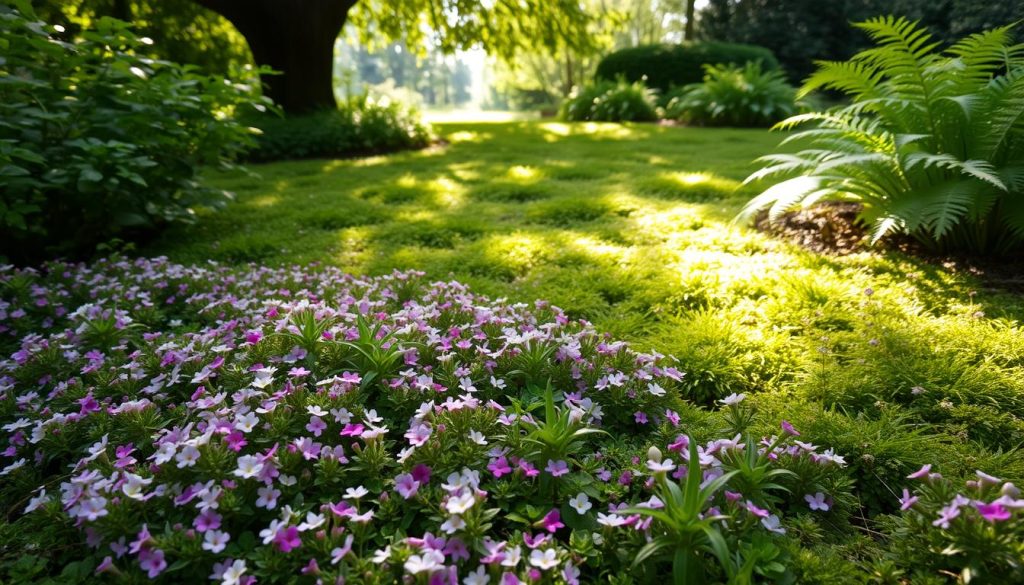
Using ground-cover plants is a smart way to improve your Arugula Companion Plants setup. These low-growing helpers offer essential benefits that support your greens naturally and consistently.
How Ground Covers Support Soil and Arugula Growth
Ground-cover plants form a dense mat over the soil, helping it retain soil moisture during hot weather. This extra moisture support helps arugula stay hydrated and healthy, even in dry spells. These plants also provide natural weed control by limiting sunlight exposure at the soil level, preventing invasive weeds from sprouting.
Excellent low-growing plants for arugula include creeping thyme, strawberry clover, and chamomile. These ground covers maintain a stable microclimate around your arugula, keeping the roots cooler and reducing heat stress.
| Ground Cover Plant | Benefits | Ideal Growing Conditions |
|---|---|---|
| Creeping Thyme | Suppresses weeds, aromatic | Full sun, well-drained soil |
| Ajuga (Bugleweed) | Colorful foliage, attracts pollinators | Partial shade to full sun |
| Vinca Minor (Periwinkle) | Evergreen, excellent for erosion control | Shade, hardy in various soils |
| Strawberry Clover | Nitrogen fixer, edible | Full sun, adaptable to soil types |
| Chamomile | Soothing herb, attracts beneficial insects | Full sun, well-drained soil |
By integrating ground covers into your garden, you create a more balanced and low-maintenance growing environment for your Arugula Companion Plants. They boost soil health, protect your crops, and promote steady growth — making your garden both functional and beautiful.
Bright Garden Layout for Successful Arugula Companion Plants

Creating a well-planned garden layout is essential for growing healthy Arugula Companion Plants. By placing plants in the right spots, you can enhance sunlight access, use water more efficiently, and naturally support plant health. Grouping compatible plants helps maintain balance and improves overall garden success.
A great example is pairing arugula with vertical growers, such as pole beans. These taller plants can be grown on trellises, allowing you to save space while creating partial shade for your arugula. This natural canopy protects delicate greens from the harsh midday sun — one of the most effective gardening tips for leafy crops.
How to Arrange Plants for Maximum Benefit
Use a mix of plant heights when setting up your garden. Taller plants, such as beans and tomatoes, can be placed in the back or center, while shorter crops, like lettuce or arugula, fit well around the edges. This height variation helps reduce crowding and maximizes space without blocking light.
Also, consider the path of sunlight throughout the day. Arranging your Arugula Companion Plants to follow natural light patterns leads to stronger, more even growth. Thoughtful planting strategies not only improve harvest results but also reduce stress on your plants.
Combining thoughtful layout planning with the benefits of companion planting makes your garden more productive and easier to manage — naturally supporting your arugula and its plant allies.
Understanding the Ideal Conditions for Arugula Companion Plants
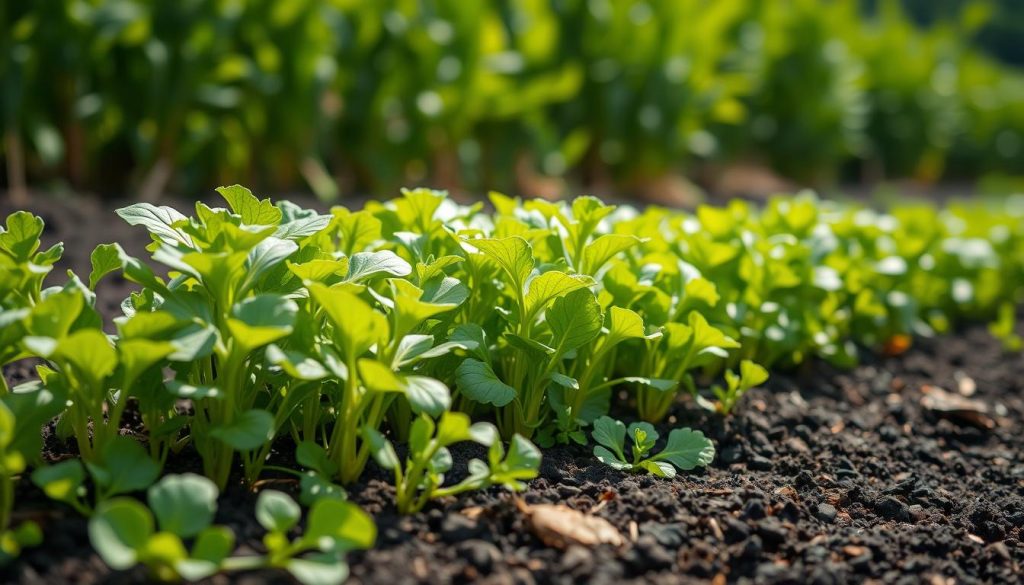
Growing healthy Arugula Companion Plants starts with creating the right environment. When you meet arugula’s specific needs, your companion planting efforts become more effective — boosting growth, flavor, and plant resilience.
Arugula is a cool-season crop that thrives in milder temperatures. Understanding how to match its climate and soil preferences helps support both arugula and its surrounding plant allies.
Cool Temperatures for Strong Growth
Arugula prefers temperatures between 45°F and 65°F, making it perfect for spring or fall planting. Cooler weather prevents the plant from bolting too early, allowing you to enjoy tender, flavorful leaves. For best results, sow arugula seeds in early spring or late summer, when conditions are ideal for leafy greens.
Pairing arugula with other cool-season vegetables, such as spinach or lettuce, ensures they all thrive in similar conditions — a smart strategy for successful Arugula Companion Plants.
Light and Soil Preferences That Support Companion Planting
Full sun encourages robust arugula growth and enhances its peppery flavor. While arugula can tolerate partial shade, especially in hotter climates, it is best to aim for at least 4–6 hours of direct sunlight daily.
Soil also plays a key role. Arugula grows best in well-drained, nutrient-rich soil with a slightly acidic to neutral pH (6.5–7). Adding compost improves the structure and fertility, benefiting both arugula and its surrounding leafy companion plants.
By tailoring light, temperature, and soil to arugula’s natural needs, your entire companion planting system becomes more productive and resilient — helping your garden flourish through the seasons.
Plants to Avoid with Arugula Companion Plants

Not every plant is a good neighbor for arugula companion plants. Some can slow growth, attract harmful pests, or compete for the same nutrients. By avoiding these combinations, you give your garden a better chance at success.
Nightshades: Tomatoes, Peppers, and Eggplants
Members of the nightshade family, such as tomatoes, peppers, and eggplants, may seem harmless, but they can compete with arugula for nutrients. Their presence can reduce arugula’s growth and vigor. Even more concerning, they attract pests such as whiteflies and aphids — both of which are harmful to leafy greens.
Avoid planting these near arugula companion plants to minimize stress and nutrient competition. Give your arugula a more straightforward path to thrive.
Brassica Overload: Cabbage and Broccoli
While arugula belongs to the Brassica family, planting it near cabbage, broccoli, or other Brassicas isn’t always beneficial. These plants attract the same pests, such as flea beetles and cabbage worms, which increases the risk of infestation.
Too many brassicas in one area can also deplete the soil of key nutrients, especially nitrogen. If you’re growing arugula, spacing it away from heavy brassica feeders ensures stronger, healthier growth.
Common Pests Affecting Arugula Companion Plants and Their Management

Even in a well-planned garden, arugula companion plants can face pest problems. Learning how to manage common threats keeps your greens healthy and productive.
Major Pests: Flea Beetles and Aphids
Two of the most troublesome pests for arugula are flea beetles and aphids. Flea beetles chew small holes in arugula leaves, giving them a lace-like appearance. Aphids, on the other hand, feed on plant sap, causing curling, yellowing, and weak growth in leafy greens.
If left unchecked, these pests can quickly spread across your garden and reduce the quality of your harvest.
Organic Solutions and Beneficial Insects
Instead of using chemicals, try organic gardening methods to control pests naturally. Companion plants, such as radishes, can act as a trap crop, drawing flea beetles away from your arugula. At the same time, herbs such as basil and dill attract beneficial insects that feed on pests.
Encouraging biodiversity is one of the best strategies. Ladybugs and lacewings are natural predators that help maintain a balanced ecosystem in the garden. By growing a variety of arugula companion plants, you create a resilient, pest-resistant garden.
| Pest | Damage Type | Control Method | Companion Plant |
|---|---|---|---|
| Flea Beetles | Holes in leaves | Row covers, neem oil | Radishes |
| Aphids | Sap sucking, wilting | Insecticidal soap, water spray | Basil |
| Slugs | Leaves and stems eaten | Handpicking, traps | Mint |
| Cabbage Worms | Chewed foliage | Bacillus thuringiensis (Bt) | Thyme |
Make it a habit to inspect your plants regularly. Early detection is crucial to maintaining the health and vitality of your arugula.
Starting Your Arugula Companion Plants Journey

Beginning your journey with arugula companion plants is a smart way to improve your garden’s health and yield. You can start small by planting arugula alongside trusted partners — such as leafy greens like spinach and lettuce, or members of the allium family like chives and garlic.
Gardening Tips for First-Time Companion Planting
When you try companion planting, observe how each plant interacts with arugula. Some pairings thrive more than others, depending on your garden’s conditions. These early observations will help you plan better combinations in the future.
Keeping a basic gardening journal is a great habit to cultivate. It lets you track what succeeds and what needs improvement. Over time, your notes will become a guide for better gardening practices.
Feel free to test new combinations of companion plants. Every garden environment is different, and discovering the best planting strategies for your space can be both rewarding and educational.
By starting with a thoughtful selection of arugula companion plants, you’ll build a healthier, more balanced garden — one that supports both strong growth and long-term success.
Companion Planting Success Stories
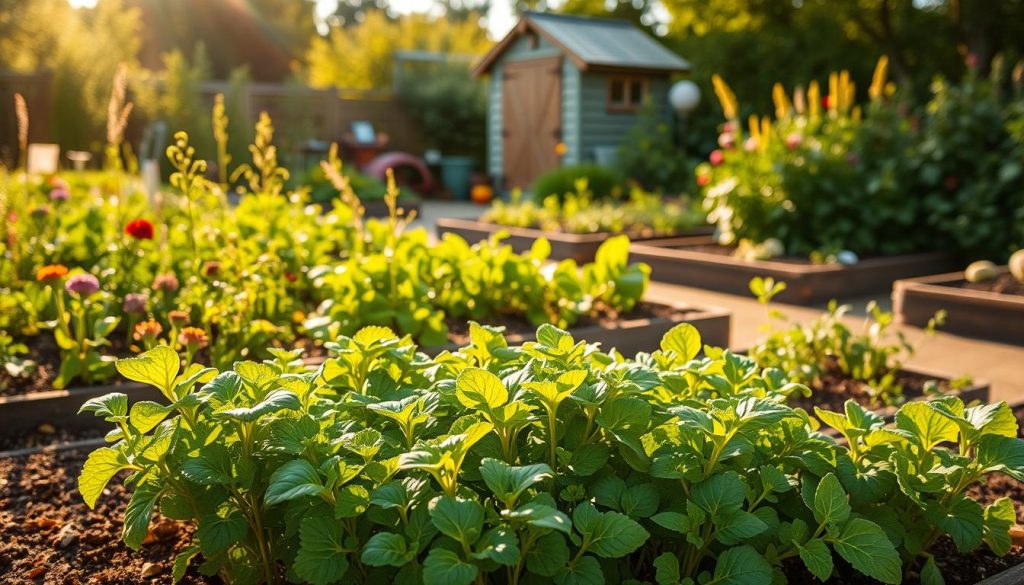
Across many gardens, arugula companion plants have transformed growing results. Gardeners who pair arugula with the right neighbors — such as garlic, onions, and marigolds — have seen stronger growth, fewer pests, and better-tasting greens. These combinations show how thoughtful planting creates a healthier ecosystem.
For example, pairing arugula with allium vegetables not only protects it from common pests but also enriches the soil. Adding flowering companions, such as marigolds, brings in beneficial insects and brightens the garden. These real-world examples show how companion planting supports both beauty and harvest.
From small backyards to larger plots, these gardening success stories demonstrate that strategic plant partnerships yield thriving, well-balanced spaces. Companion planting is more than a technique — it’s a journey of discovery guided by observation and care.
Additional Resources for Companion Planting Enthusiasts
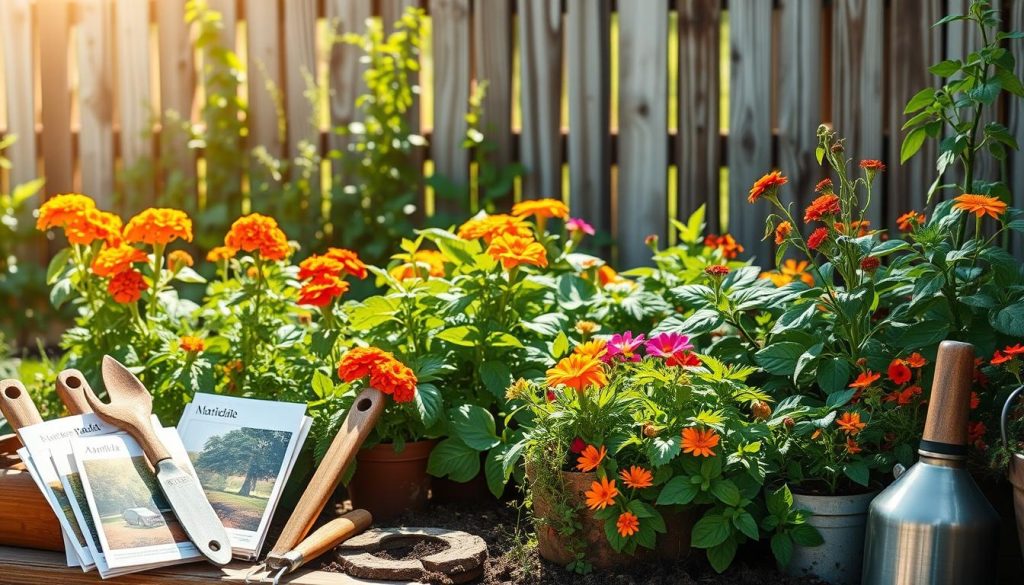
If you’re ready to learn more, plenty of trusted resources are available. Books like “Carrots Love Tomatoes” or “The Vegetable Gardener’s Guide to Companion Planting” offer region-specific advice and tested planting pairings.
| Resource Type | Recommended Sources | Focus Area |
|---|---|---|
| Books | The Vegetable Gardener’s Bible by Edward C. Smith | Comprehensive gardening and companion planting strategies |
| Websites | Gardener’s Supply Company | Practical tips and arugula resources |
| Local Groups | Community Gardening Networks | Region-specific advice and shared experiences |
Online forums, cooperative extension websites, and local gardening groups also provide helpful tips. Whether you’re just starting or refining your strategy, these resources can deepen your knowledge of companion planting and help your arugula garden thrive.
Tips for Maximizing Your Arugula Harvest

To get the most from your arugula companion plants, start by planting new batches of arugula every two to three weeks. This staggered approach keeps your greens fresh and productive throughout the season, especially during the warm months.
Moisture control is just as important. Apply mulch around your plants to retain soil moisture and maintain cooler temperatures. This technique helps prevent premature bolting, which can make the leaves taste bitter.
Maintaining healthy soil is key. Check nutrient levels regularly and enrich the soil with organic compost or balanced fertilizers to support optimal growth. Keep the garden bed free from weeds so arugula doesn’t have to compete for nutrients, sunlight, or space.
With proper garden care — including smart watering, spacing, and nutrient support — you’ll enjoy a more prolonged and healthier harvest of flavorful greens.
Research-backed strategies—like sowing arugula in early spring or providing shade to delay bolting—have been proven to improve yields. These methods are supported by trusted sources, including the University of Minnesota Extension’s arugula growing guide, which promotes seasonal timing and climate-aware gardening practices.
For more edible-garden pairings, compare arugula companions with our kale companion guide and artichoke companion plants. For the broader topic, visit the Companion Planting hub.
For more edible-garden pairings, compare arugula companions with our kale companion guide and artichoke companion plants. For the broader topic, visit the Companion Planting hub.
Conclusion
Using the right arugula companion plants is a proven way to build a stronger, more resilient garden. These plant partnerships enhance soil structure, attract beneficial insects, and deter harmful pests — creating ideal growing conditions for arugula and other crops.
The insights shared throughout this guide offer practical ways to naturally enhance your garden. By understanding which plants support one another, you can grow smarter — not harder.
Start with just a few companions, such as garlic, lettuce, or marigolds, and observe how your garden evolves. Over time, you’ll develop a system that produces healthier crops and requires less intervention.
With thoughtful planning and consistent care, your arugula will flourish — and so will your love for gardening.
FAQ
What are the best companion plants for arugula?
Good companion plants for arugula include onions, garlic, spinach, lettuce, carrots, beets, and beans. These plants help make nutrients available and support arugula’s growth.
How does companion planting improve soil health for arugula?
Plants like beans fix nitrogen, making the soil better for arugula. Their roots also aerate and drain the soil, creating a great environment for growth.
Can aromatic herbs benefit arugula when planted together?
Yes, herbs like basil and dill improve soil health and flavor around arugula. They also keep pests away with their strong smells, helping the garden stay healthy.
How can flowering plants help arugula growth?
Plants like nasturtium and borage attract good insects and pollinators. They also keep pests away, which is key for healthy arugula.
What conditions does arugula thrive in?
Arugula grows best in cool temperatures of 45-65°F. It likes well-drained, rich soil with a pH of 6.5–7. Full sun is best for strong growth and flavor.
Are there any plants you should avoid planting near arugula?
Yes, avoid tomatoes, peppers, eggplants, and cabbage near arugula. They attract pests and compete for nutrients.
How can I start companion planting with arugula?
Start with a few compatible plants. Watch how they grow together. This helps you learn what works best in your garden.
What are some common pests affecting arugula?
Flea beetles and aphids are common pests. Companion plants can help keep them away. A diverse garden also attracts beneficial predators.
How can I maximize my arugula harvest?
Plant arugula every few weeks for a steady supply. In hot weather, water well and mulch to keep it growing longer before it bolts.