

Ever thought about adding a tropical feel to your home without the work? The Callisia repens is your answer. It’s a tough and versatile succulent great for both new and seasoned plant lovers.
Also known as turtle vine or creeping inch plant, Callisia repens brings beauty indoors or outdoors. This plant from South America has small leaves on deep purple stems. They create a lush, cascading look that grabs attention.
Looking to brighten your living room with a hanging basket or cover your garden with ground cover? The Bolivian jew, another name for this plant, is perfect. It’s loved for its easy care and versatility.
Callisia repens thrives in many conditions, making it perfect for beginners. It has care needs similar to common succulents. This makes it simple to add to your plant care routine.
Key Takeaways
- Callisia repens is a versatile and low-maintenance succulent
- It’s suitable for both indoor and outdoor growing
- The plant prefers bright, indirect sunlight
- Well-draining soil is essential for healthy growth
- Regular pruning encourages bushier growth
- Callisia repens is easy to propagate
Introduction to Callisia Repens
Explore the beautiful callisia repens plant, a great choice for gardens or indoor spaces. It comes from Mexico and South America. People love it for its looks and how easy it is to care for.
What is Callisia Repens?
Callisia repens is also known as the inch plant or turtle vine. It’s a type of perennial that belongs to the Commelinaceae family. This plant grows low to the ground and spreads quickly, reaching up to 4 inches tall and 4 feet wide.
Common Names and Varieties
This plant is known by a few names:
- Creeping basket plant
- Turtle vine
- Inch plant
- Bolivian jew
The ‘Pink Lady’ variety is very popular for its green and pink striped leaves. Other types have gold or white leaves, making the plant even more interesting.
Native Habitat and Characteristics
Callisia repens loves shady, rocky spots in subtropical to tropical forests. It’s found from Texas to Argentina. The plant has small, waxy leaves and can grow roots when it touches the ground.
| Characteristic | Description |
|---|---|
| Height | Up to 4 inches (10 cm) |
| Spread | Up to 4 feet or more |
| Growth Rate | Fast |
| Light Preference | Semi-shade to full sun |
| Water Preference | Moderate |
Callisia repens is loved for its beauty, but in some places, like Western Australia, it’s seen as a problem. This is because it grows too fast and has been banned.
The Beauty of Turtle Vine
Turtle vine, or Callisia repens, is a favorite among plant lovers for its beauty and flexibility. It has lush foliage that flows over pots or spreads out as ground cover. This plant is perfect for hanging baskets, terrariums, and many indoor and outdoor spots because it grows compactly and trails.
There are many colors to choose from, like callisia repens pink panther, callisia repens pink lady, and callisia repens bianca. These plants come in vibrant greens, soft pinks, and creamy whites. They add beauty to any area.

- Growth Rate: Fast
- Mature Size: Up to 12 inches tall
- Sun Exposure: Full sun to partial shade
- Bloom Season: Late spring to early summer
- Flower Color: White
The callisia repens pink panther has pink and green leaves, while the callisia repens pink lady has a softer pink. For a lighter look, the callisia repens bianca has creamy white leaves that brighten up any area.
| Variety | Leaf Color | Growth Habit | Best Use |
|---|---|---|---|
| Pink Panther | Pink and green | Trailing | Hanging baskets |
| Pink Lady | Soft pink | Compact | Terrariums |
| Bianca | Creamy white | Spreading | Ground cover |
Turtle vine is easy to care for and looks amazing. Whether you pick the vibrant callisia repens pink panther or the elegant callisia repens bianca, you’ll love its beauty and charm.
Ideal Growing Conditions for Callisia Repens
To grow callisia repens well, you need to know what it likes. This plant does best in certain conditions that match its natural home. Let’s look at the main things you should know for taking good care of it.
Light Requirements
Callisia repens prefers bright, indirect light. Put your plant near a window that gets a lot of sunlight, but keep it away from the strong afternoon sun. This kind of light keeps its colors bright and beautiful. Try to give it at least 6 hours of indirect sunlight every day.
Temperature Preferences
Your callisia repens will do great in temperatures between 50°F and 86°F (10°C to 30°C). It can’t handle frost, so move it inside when it gets cold. In the summer, make sure there’s good air movement to keep it from getting too hot.
Humidity Needs
Callisia repens can handle the humidity in most homes, but it likes a bit more moisture. You can increase the humidity by misting the leaves or having a pebble tray with water nearby. This makes the air around it more like its natural home and helps it grow well.
| Factor | Ideal Condition |
|---|---|
| Light | Bright, indirect |
| Temperature | 50°F – 86°F |
| Humidity | Average to high |
By giving your callisia repens these perfect conditions, it will grow well and look great. This plant is flexible, but regular care is key for the best results in your callisia repens growing journey.
Soil and Potting Requirements
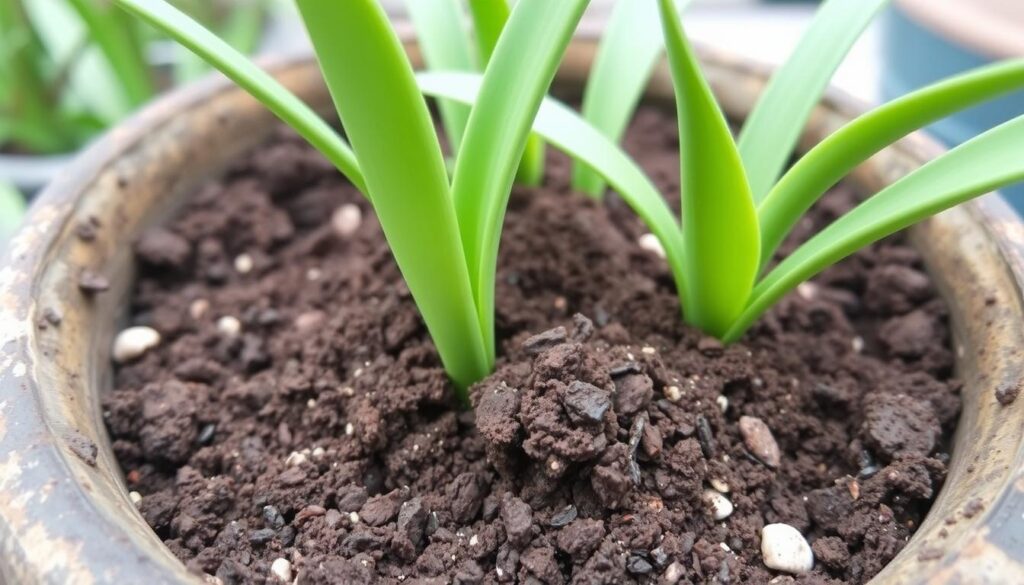
Turtle vine does well in soil that drains well and is airy. The best soil mix is 50% potting soil, 25% perlite, and 25% succulent mix. This mix helps with drainage and aeration, which are key for the plant’s health.
For the potting mix, choose a pH level between 5.0 and 6.5. You can make your own mix with fine orchid bark, fine pumice, perlite, and fern fiber. This blend offers great moisture retention and drainage.
Make sure your pots have drainage holes to avoid waterlogging, which can cause root rot. Repotting your callisia repens every few years refreshes the nutrients and prevents soil compaction. When you repot, increase the pot size by 1-2 inches for better growth.
- Use well-draining, airy soil
- Mix 50% potting soil, 25% perlite, 25% succulent mix
- Maintain pH between 5.0 and 6.5
- Choose pots with drainage holes
- Repot every few years
Turtle vines like fertile, humusy soil with organic matter added. By giving your turtle vine the right soil, it will grow well and show off its beautiful foliage.
Watering Your Callisia Repens
Proper watering is key for your Callisia repens’ health. Knowing how to water your plant keeps it looking lush and growing well. Let’s explore the basics of watering callisia repens for a thriving plant.
Frequency of Watering
Callisia repens likes its soil lightly moist. Water it often, but let the soil dry a bit between waters. This stops roots from getting too wet while keeping the plant hydrated. In spring and summer, you might need to water more because of faster growth and more evaporation.
Signs of Over and Under-Watering
Spotting watering problems early can help your plant. If you overwater, your Callisia repens might show yellow leaves and stem rot. Underwatering can cause leaves to curl and turn brown. Keep an eye on your plant to get the watering just right.
Watering Techniques
Watering callisia repens well is important. Pour water until you see it draining from the pot’s bottom. This makes sure the soil gets moisture evenly. Water less in winter since the plant grows less.
| Season | Watering Frequency | Soil Moisture |
|---|---|---|
| Spring/Summer | Weekly | Lightly moist |
| Fall/Winter | Bi-weekly | Slightly dry |
Always check the soil moisture before watering. Stick your finger an inch into the soil. If it feels dry, it’s time to water. By following these tips, you’ll get watering your Callisia repens right and enjoy a healthy, lovely plant.
Fertilizing Your Turtle Vine
Proper fertilizing is crucial for your turtle vine’s lush growth and vibrant look. In spring and summer, your plant thrives with regular feeding. Use a balanced, water-soluble houseplant fertilizer every month to help it grow fast and bloom beautifully.
As fall comes, cut back on fertilizing to every six weeks. This matches the plant’s natural cycle, avoiding too much fertilizer. Pick a fertilizer with little urea to keep the roots safe.

For easy care, try a slow-release fertilizer at the start of the growing season. It gives nutrients steadily, helping your turtle vine without needing frequent feedings. But remember, don’t overdo it. Too much fertilizer can make the plant look leggy and lose its beauty.
| Season | Fertilizing Frequency | Fertilizer Type |
|---|---|---|
| Spring/Summer | Monthly | Balanced, water-soluble |
| Fall/Winter | Every 6 weeks | Low-urea, water-soluble |
| Year-round alternative | Once at season start | Slow-release |
By following these guidelines, you’ll keep your turtle vine healthy and beautiful all year. Adjust your fertilizing based on your plant’s needs and how it reacts.
Pruning and Maintenance
Pruning and maintaining your callisia repens, or turtle vine, is key to keeping it healthy and looking great. Regular care helps your plant stay in top shape. It encourages lush growth and stops it from getting too wild.
When to Prune
The best time to prune callisia repens is during its active growing season. This is usually from late spring to early summer. Pruning from March to July lets the plant bounce back fast and grow new leaves.
How to Prune
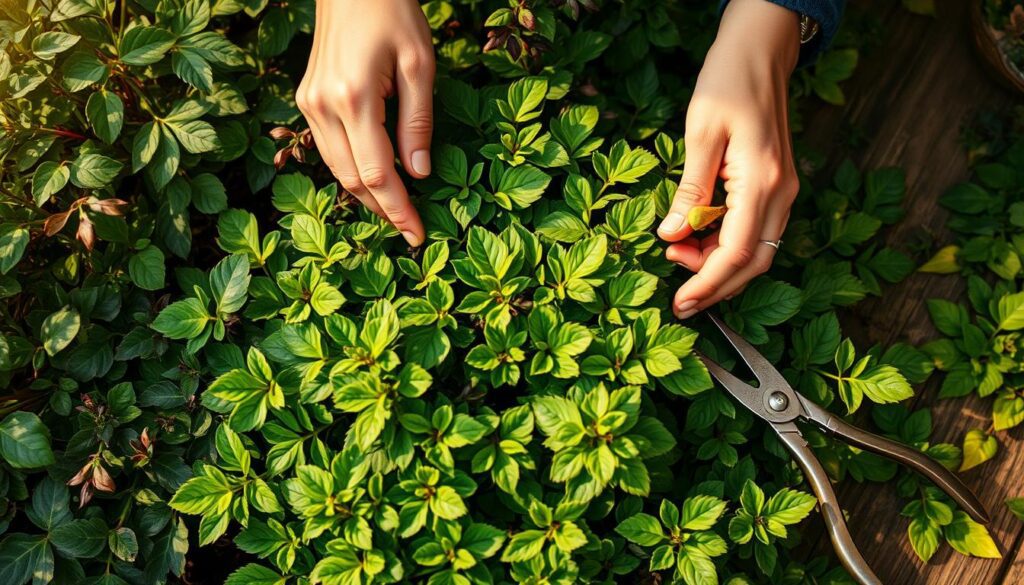
When pruning your turtle vine, cut off dead or yellowing leaves to keep it looking good. Trim leggy stems by about one-third to make it bushier. Pinch off the tips to help it branch out and look fuller.
Maintaining Plant Shape
Callisia repens can spread a lot, up to 4 feet or more. So, regular maintenance is a must. Trim it back when it gets too big to keep it neat. This helps control its spread and stops it from getting too messy.
| Maintenance Task | Frequency | Benefits |
|---|---|---|
| Pruning | Every 2-3 months | Promotes bushier growth, controls size |
| Removing dead leaves | Weekly | Improves appearance, prevents disease |
| Pinching growing tips | Monthly | Encourages branching, creates fuller plant |
By following these pruning and maintenance tips, your callisia repens will thrive and look great all year. Always use clean, sharp tools when pruning to avoid damage and disease.
Propagation Methods
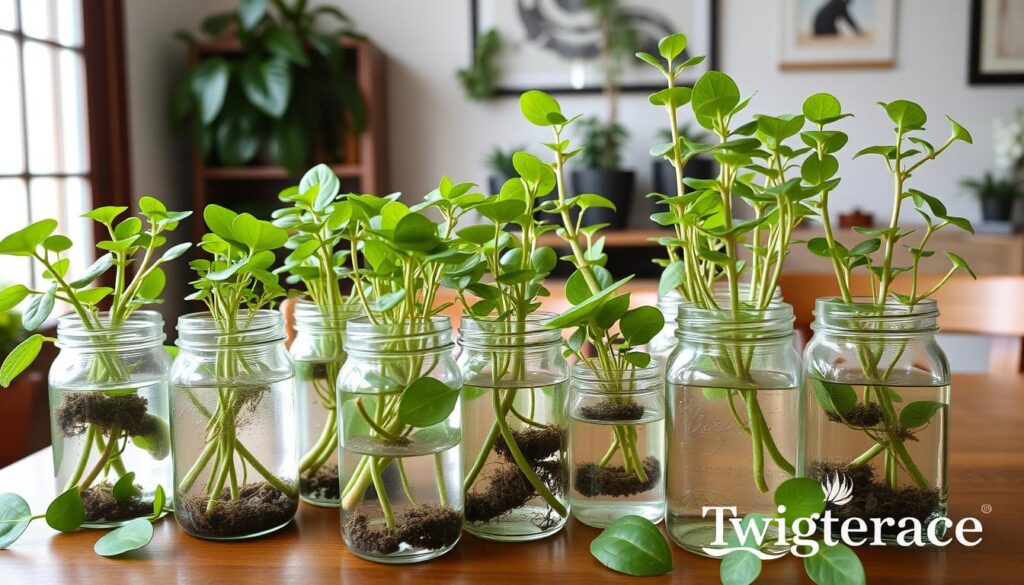
Propagating callisia repens, or turtle vine, is easy and successful. You can use stem cuttings in soil or water. Start by taking 2-inch cuttings from healthy stems, making sure each has at least one node. Then, remove the lower leaves to show the node, where roots will grow.
For soil, plant the cuttings in a potting mix that drains well. Keep the soil moist but not too wet. In water, put the cuttings in a clear container with fresh water every few days. Roots should start to grow in 2-3 weeks with either method.
To help callisia repens grow, keep the humidity at 60% and the temperature between 68°F and 75°F. Bright, indirect light is best for growth. Don’t overwater, as it can cause rot. Once roots and new growth appear, move water-propagated cuttings to soil or repot soil ones as needed.
- Take 2-inch stem cuttings with at least one node
- Remove lower leaves to expose nodes
- Plant in soil or water
- Maintain 60% humidity and 68-75°F temperature
- Provide bright, indirect light
- Avoid overwatering
- Expect roots in 2-3 weeks
Spring and early summer are the best times for propagating turtle vine. With the right care, you’ll soon have new plants to enjoy or share with others.
Common Pests and Diseases
Callisia repens, also known as the Turtle Vine, faces challenges from pests and diseases. It’s important to spot and fix these issues early to keep the plant healthy. Let’s look at some common problems and how to solve them.
Identifying Pest Issues
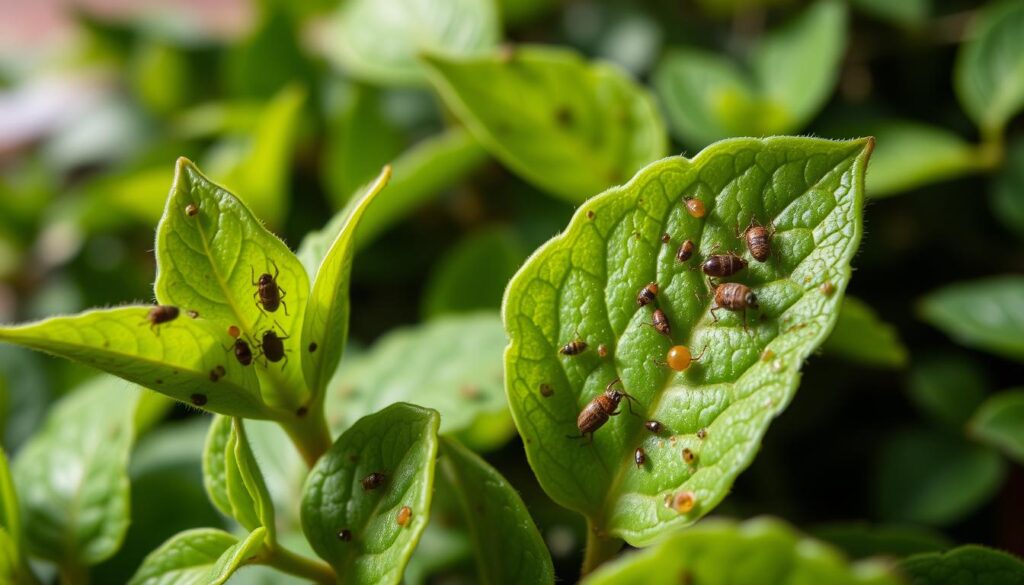
Common pests include spider mites, scale insects, and mealybugs. Spider mites are a big problem in summer, especially for outdoor plants. They leave tiny webs on leaves or make them look discolored.
Scale insects look like small bumps on stems and leaves. Mealybugs leave behind a white, cotton-like substance.
Treating Plant Diseases
Fungal diseases are common in Turtle Vine, loving high humidity. You might see powdery substances or spots on leaves. To fight these, improve air flow and use a fungicide.
For pests, use insecticidal soap or neem oil. Keep affected plants away from others to stop the problem from spreading.
Preventive Measures
Preventing pests and diseases is crucial. Check your Callisia repens often for any signs of trouble. Keep air flow good and humidity balanced.
Use tools like thermometers and humidifiers to keep the environment stable. For outdoor plants, watch out for animals like javelina and rabbits. They might eat your Turtle Vine, especially in places like Phoenix.
| Issue | Symptoms | Treatment |
|---|---|---|
| Spider Mites | Webbing, discoloration | Wash with water stream, insecticidal soap |
| Fungal Disease | Powdery spots | Improve air flow, apply fungicide |
| Environmental Stress | Leaf burn, wilting | Adjust humidity, relocate plant |
By being vigilant and acting fast, you can keep your Callisia repens healthy. It can thrive in a hanging basket, as ground cover, or in an indoor atrium.
Indoor vs Outdoor Growth
Callisia repens is a versatile plant that grows well in different places. It does great indoors, offering many benefits. Make sure it gets indirect light by placing it near a bright window.
For indoor plants, sometimes the air gets too dry. You can use a pebble tray or a humidifier to keep the air moist.
For outdoor care, choose a spot with partial shade to full sun in zones 10-12. This plant grows fast and can get up to 12 inches tall. But, protect it from the strong afternoon sun and bring it inside when it gets colder than 50°F (10°C).

Callisia repens blooms with white flowers in the summer, whether it’s indoors or outside. It’s easy to take care of, with a 2 out of 5 rating for care difficulty. It likes temperatures between 16-30°C (60-86°F).
But, remember it’s not safe for kids or pets because it’s mildly toxic. Outdoor plants need protection from extreme weather. Look out for signs of sunburn, like yellow leaves or freckles.
If your plant looks leggy, it might need more light or pruning. Cutting solid green stems encourages more variegated growth.
Both indoor and outdoor Callisia repens don’t need much water. But, don’t over-water it, as too much water can be bad. Use a soil mix that drains well for the best health. With the right care, your Callisia repens will do well in any setting.
Decorative Uses for Callisia Repens
Callisia repens, also known as turtle vine, is great for many decor ideas. It grows fast and fits well in different places. This makes it a top choice for landscaping with turtle vine.
As Ground Cover
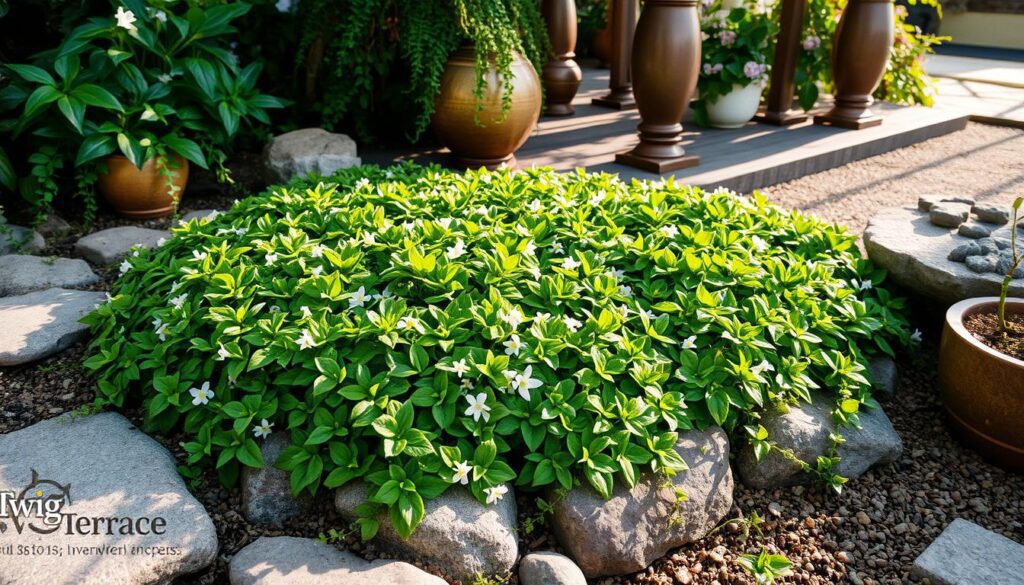
In warm areas, callisia repens is perfect as a ground cover. It grows quickly and doesn’t need much care. This makes it great for filling empty spots in your garden.
It spreads fast, creating a lush carpet effect. This is ideal for turtle vine landscaping in USDA hardiness zones 10-12.
In Hanging Baskets
Callisia repens does well in hanging baskets, looking beautiful as it cascades. Its stems can grow up to 24 inches, adding elegance to any area. For indoor decor, put baskets in bright, indirect light and keep the temperature between 64°F and 72°F.
In Terrariums
Callisia repens is great for terrariums and dish gardens because it’s compact. Its fast growth and golden yellow leaves make small landscapes more interesting. Use a special potting mix with a pH of 6.5 to 7 for the best growth.
Even though callisia repens is mildly toxic, it’s still a great choice for decor. Just remember to keep it away from kids and pets. With the right care, this versatile plant will make your turtle vine landscaping look amazing, indoors or outdoors.
Troubleshooting Common Issues
Growing Callisia repens can be rewarding, but you might face some challenges. Let’s look at common issues and how to fix them.
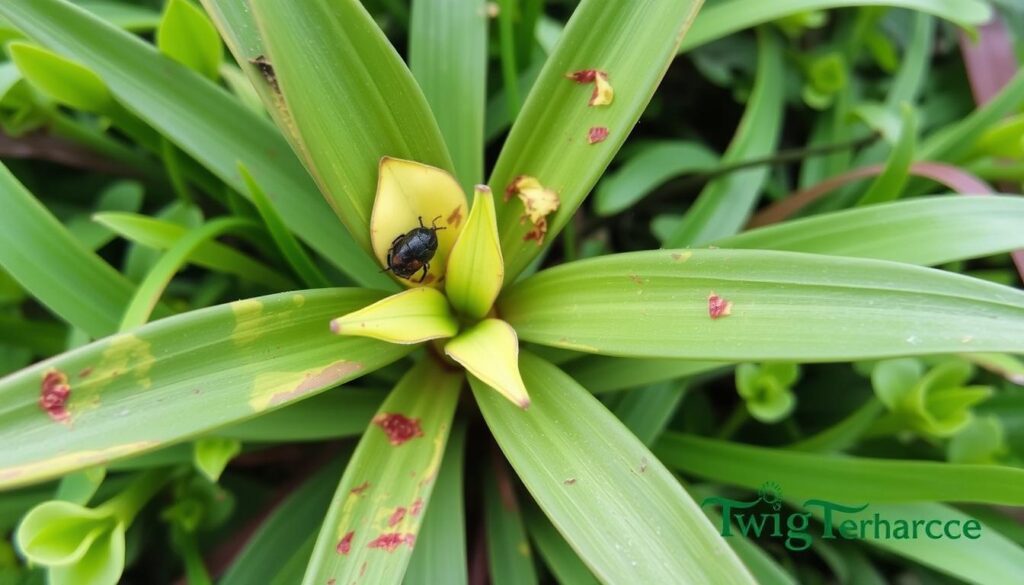
Leggy growth often means the plant doesn’t get enough light. If your plant stretches out, put it in a brighter spot. Callisia repens does well in direct sunlight or bright indirect light. This keeps it compact and colorful.
Loss of variegation is another issue. If your leaves turn solid green, cut off the green stems and slowly increase the light. Yellowing or spotting on variegated leaves can mean sunburn, so be careful with the light.
Brown leaves are a common problem. They can come from too much water, not enough water, bad soil, or age. To avoid this:
- Let the top inch of soil dry before watering
- Use a pot with good drainage
- Feed with a balanced, water-soluble fertilizer when it grows
- Add organic matter to the soil or change it when needed
If you see small or dull leaves, it might be from not enough water or burn. Change how often you water and the light it gets. Callisia repens grows best in temperatures between 16°C and 30°C.
Regular pruning is important for a healthy plant. It encourages new growth, keeps the plant healthy, and stops pests. With the right care, your Callisia repens can grow up to 4 inches tall and spread 4 feet wide or more.
Seasonal Care Tips
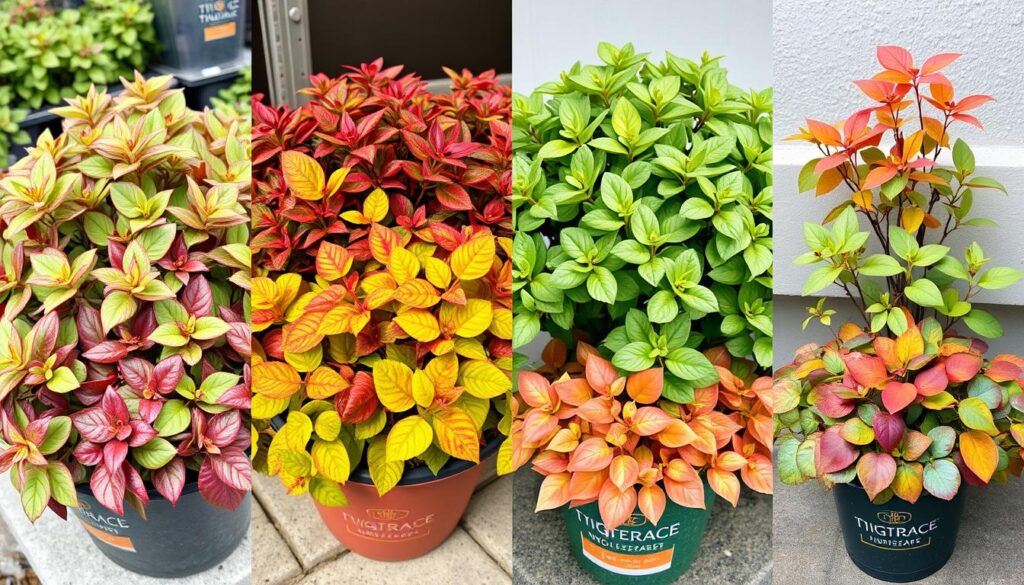
Caring for your Callisia repens, or Turtle Vine, changes with the seasons. It’s important to know these changes to keep your plant healthy all year. Here are some tips for seasonal care to help your plant thrive.
Spring and summer are when your Callisia repens grows the most. You should water and feed it more during these months. Make sure it gets bright, indirect light and keep the humidity moderate. These plants can get up to 4 inches tall and spread 4 feet wide.
When fall comes, your plant will grow less. You should water and feed it less too. If it’s outside, bring it inside before the first frost. They like temperatures between 50 and 86 degrees Fahrenheit.
In winter, your Turtle Vine needs special care. Keep it away from cold drafts and water it less. Keep the temperature steady indoors and give it extra light when days are short. The right humidity for these plants is 30-40% in winter.
| Season | Watering | Fertilizing | Light |
|---|---|---|---|
| Spring/Summer | Increased | Every 4th watering | Bright, indirect |
| Fall | Reduced | Less frequent | Bright, indirect |
| Winter | Minimal | None | Supplemental if needed |
By following these seasonal care tips, your Callisia repens will stay healthy and look great all year. Remember, changing your care routine with the seasons is key for your plant’s health.
For more indoor foliage and trailing-plant care guides, browse the Houseplants hub.
Conclusion
Callisia repens, also known as turtle vine, is a plant with many benefits. It’s a versatile perennial herb from the Commelinaceae family. It’s loved for its beauty and health perks. Found in Central and South America, it spreads out and forms large mats.
The care for turtle vine is easy, making it great for both indoor and outdoor gardens. It has succulent leaves and small white flowers that brighten any spot. It’s perfect for ground cover, hanging baskets, or terrariums.
Studies suggest that Callisia repens has compounds that might help manage diabetes. With the right care, including enough light, water, and trimming, you can enjoy its beauty and health benefits for many years.
Source: For evidence-based guidance, see NC State Extension Plant Toolbox.
FAQ
What is Callisia repens?
Callisia repens is a beautiful succulent from tropical South America. It has tiny leaves on deep purple stems. It’s a great choice for indoor plants.
What are some common names and varieties of Callisia repens?
It’s also known as turtle vine, creeping inch plant, Bolivian jew, and creeping basket plant. Popular varieties include ‘Pink Panther’, ‘Pink Lady’, and ‘Bianca’, each with unique colors.
What are the light requirements for Callisia repens?
Callisia repens loves bright, indirect sunlight. It needs at least 6 hours of indirect sunlight daily. It can handle some direct morning sun but avoid harsh afternoon light.
How often should I water my Callisia repens?
Water it once a week, letting the top inch of soil dry out first. Too much water can cause yellow leaves and stem rot. Not enough water can lead to leaf curling and browning.
How do I propagate Callisia repens?
You can propagate it through stem cuttings, separating offsets, or seeds. Cutting stems and offsets are the quickest and easiest ways.
What are some common pests and diseases affecting Callisia repens?
Watch out for mealybugs, aphids, and spider mites. Fungal diseases can happen if the soil is too moist. Keep up with good care to avoid these problems.
Can Callisia repens be grown indoors and outdoors?
Yes, it can grow indoors or outdoors, depending on your climate. Indoors, put it near a bright window with indirect light. Outdoors, it does well in partial shade to full sun in zones 10-11.
What are some decorative uses for Callisia repens?
It’s versatile and can be used as ground cover, in hanging baskets, terrariums, mixed containers, or as a colorful accent in rock gardens.
What are some common issues with Callisia repens?
Issues include getting too leggy, losing variegation, and leaves turning color. Fix these by adjusting the light, water, and humidity levels.
Are there any seasonal care tips for Callisia repens?
In spring and summer, up the watering and fertilizing as it grows more. In fall, cut back on watering and fertilizing as growth slows. In winter, keep it away from cold drafts and reduce watering even more.